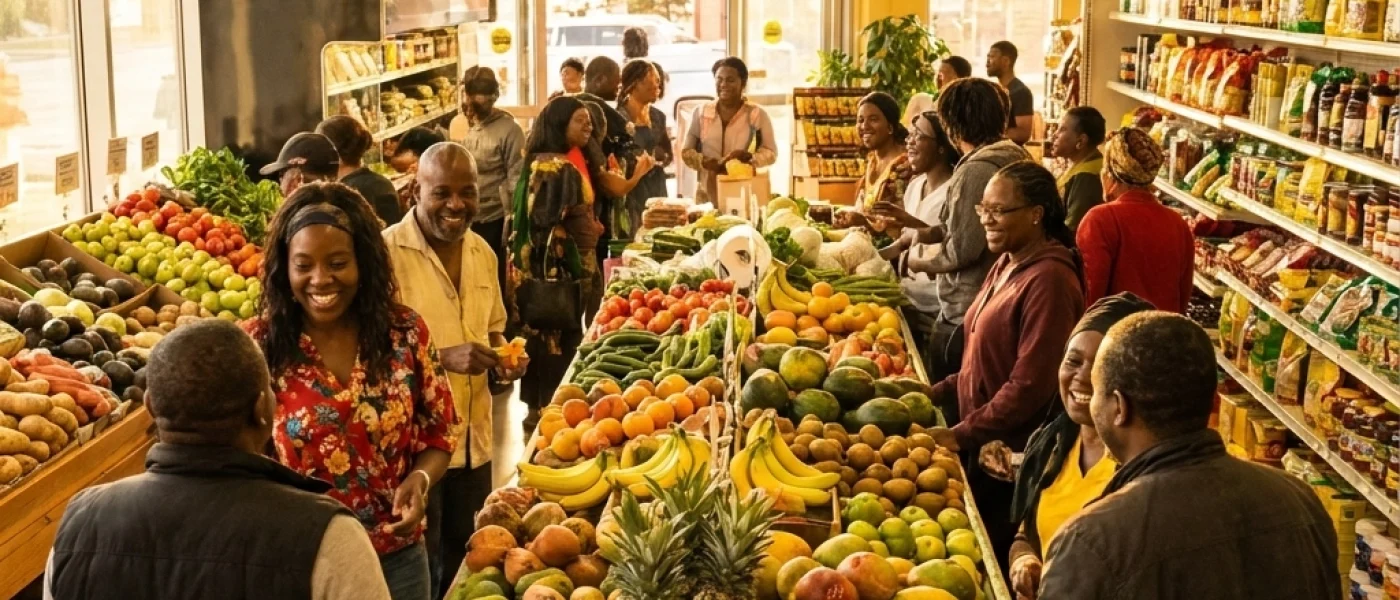
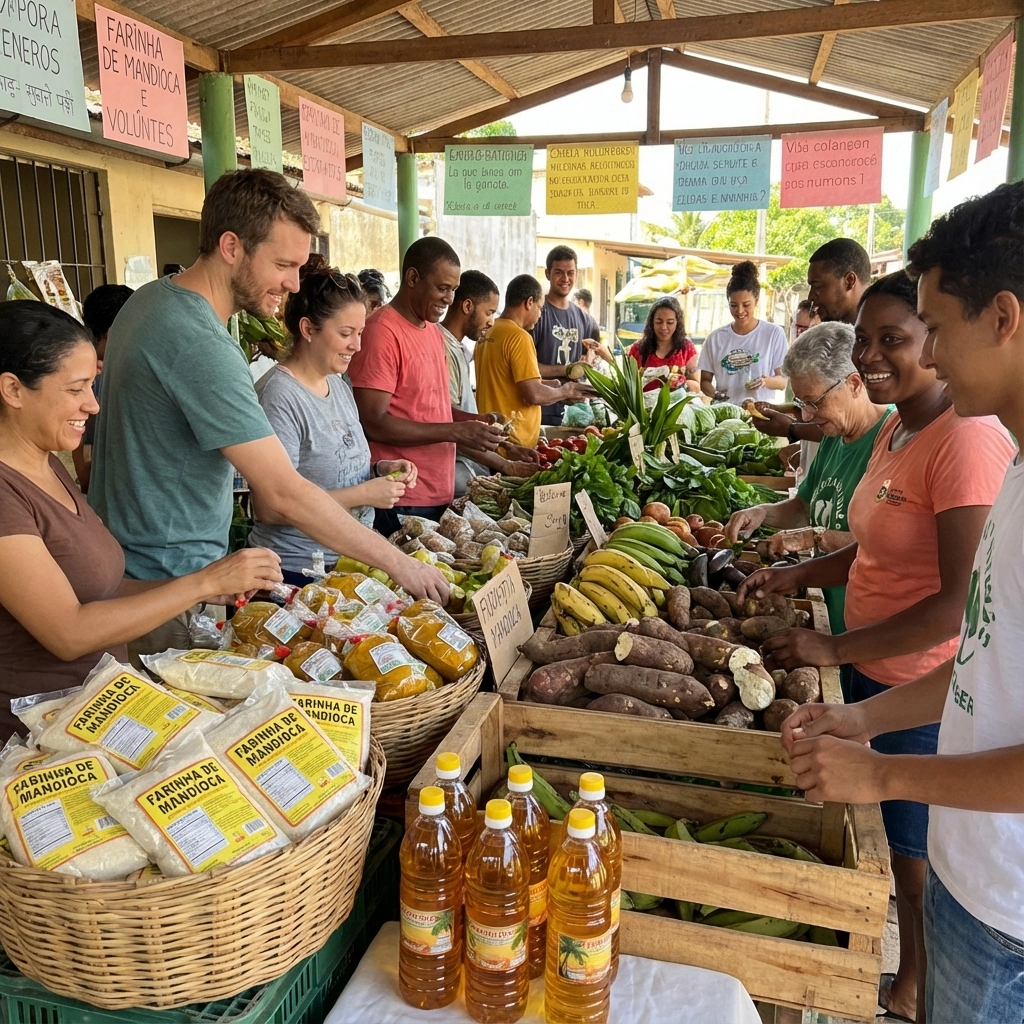
Imagine walking into a food bank and finding shelves stocked with yam flour, plantains, scotch bonnet peppers, and palm oil. Picture yourself choosing familiar spices that remind you of home, rather than settling for whatever happens to be available. This isn't just a dream: it's the reality that Afro-Caribbean groceries are creating right here in Edmonton.
Traditional food banks serve 1 in 5 Edmonton residents annually, but are they truly meeting the needs of our diverse community? The answer might surprise you.
Why Traditional Food Banks Are Missing the Mark
You've probably heard the phrase "beggars can't be choosers," but when it comes to food security, this outdated thinking is causing more harm than good. Traditional food banks, while well-intentioned, often operate on a one-size-fits-all model that ignores the cultural and nutritional needs of Edmonton's growing diverse population.
Here's the uncomfortable truth: when you can't find ingredients to make the foods that nourish your soul, you're not just hungry: you're culturally starved.
Most traditional food banks stock generic items like canned vegetables, white bread, and processed foods. But what happens when you need cassava flour to make your grandmother's recipe? Or when your children ask for Jollof Rice, and all you have access to is instant noodles?
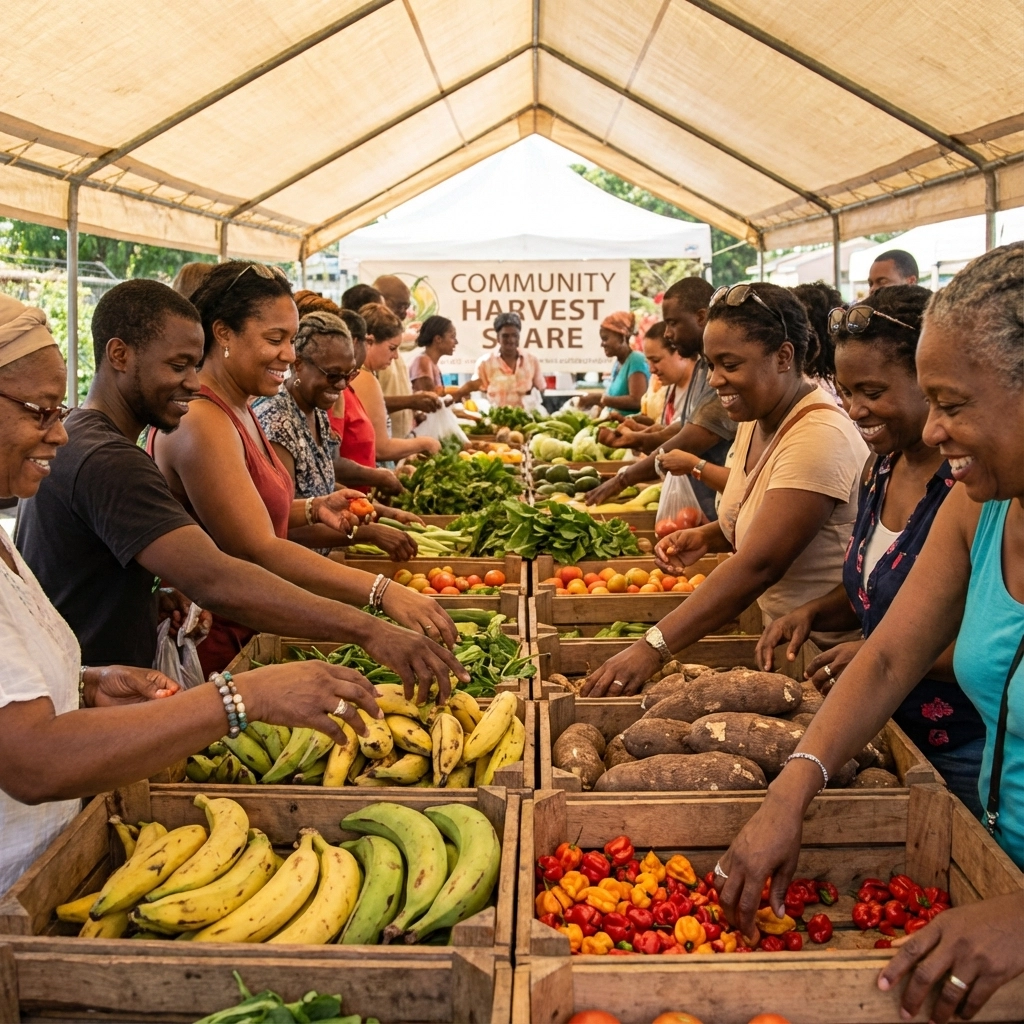
The gap between what's available and what communities actually need has created a silent crisis. You might have food in your pantry, but if it doesn't connect to your culture, your cooking knowledge, or your family's preferences, you're still not truly fed.
The Cultural Food Revolution Happening in Edmonton
Something remarkable is happening in Edmonton's food security landscape. Afro-Caribbean groceries aren't just filling shelves: they're revolutionizing how we think about food access entirely.
These innovative food programs recognize a simple but powerful truth: food is more than fuel: it's identity, comfort, and connection to home.
When you walk into an Afro-Caribbean food program, you're not just receiving groceries. You're accessing:
- Fresh plantains and yams that remind you of Sunday dinners
- Spices like berbere and curry leaves that make your kitchen smell like home
- Rice varieties that cook up perfectly for your family's favorite dishes
- Palm oil and coconut milk for authentic cooking
But here's what makes this truly revolutionary: these programs understand that you know best what your family needs. Instead of dictating what you should eat, they provide choices that honor your cultural background and culinary expertise.
Beyond Groceries: A Holistic Approach to Food Security
Curious about how culturally appropriate food support differs from traditional models? The answer lies in understanding that food security isn't just about calories: it's about dignity, choice, and cultural preservation.
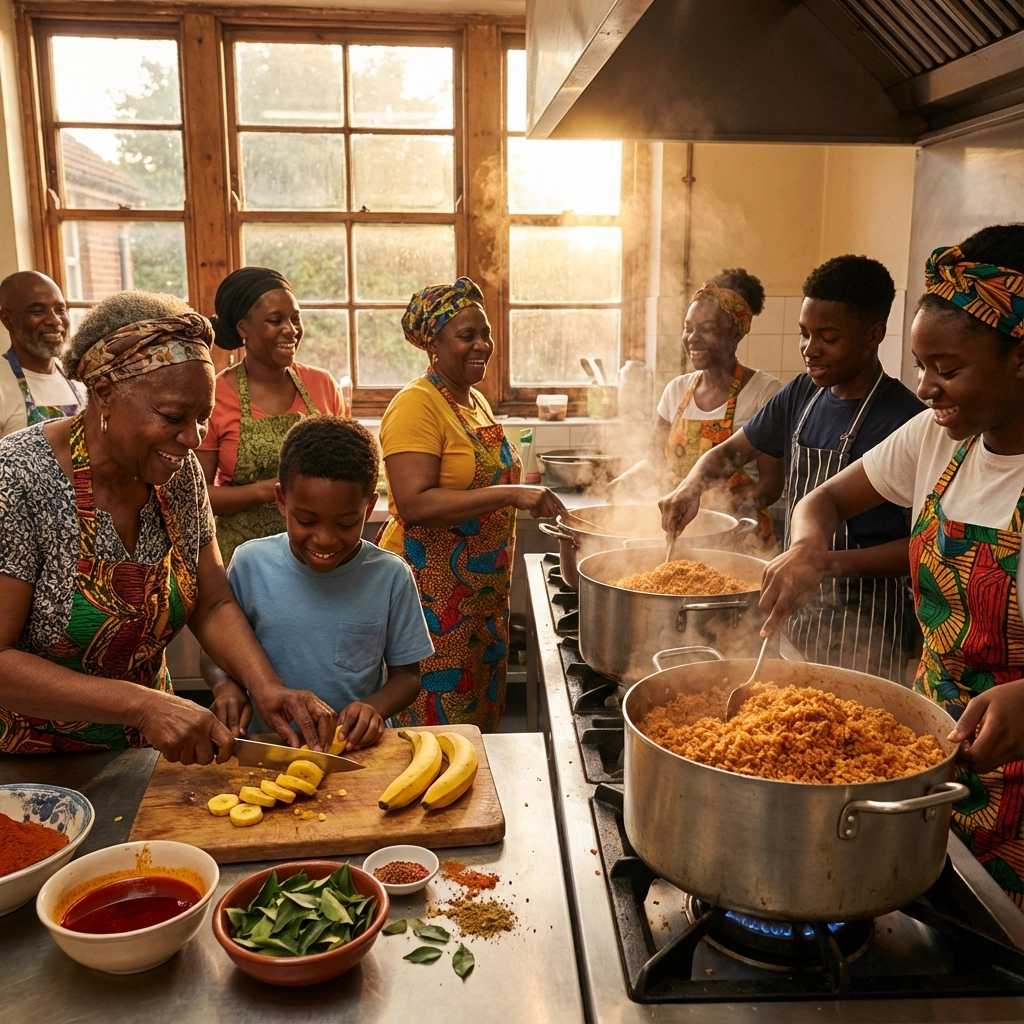
Traditional food banks often create a dynamic where you're grateful for whatever you receive. Afro-Caribbean food programs flip this script entirely. They operate from a place of abundance rather than scarcity, recognizing that you deserve access to foods that nourish both your body and your cultural identity.
Here's how this revolutionary approach works in practice:
1. Community-Led Selection
You and your community help determine what foods are stocked. No more wondering if ingredients for your traditional dishes will be available.
2. Educational Partnerships
Programs often include cooking workshops where you can learn new ways to prepare familiar ingredients or discover how to use traditional foods for optimal nutrition.
3. Cultural Celebration
Food distribution becomes an opportunity to celebrate heritage rather than simply address hunger.
4. Seasonal Awareness
Understanding that certain foods are essential during cultural holidays and celebrations, ensuring availability when it matters most.
The Ripple Effects of Culturally Appropriate Food Access
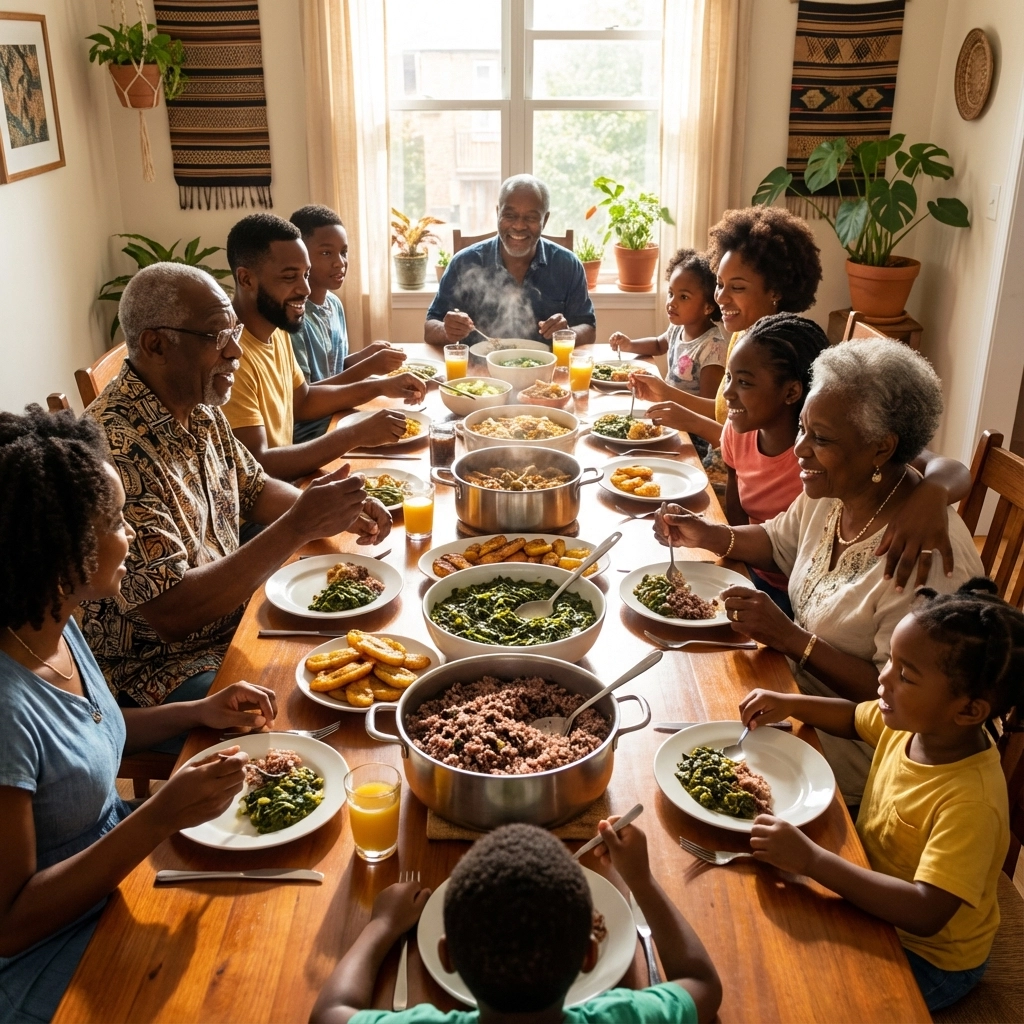
When you have access to culturally appropriate foods, something magical happens. You're not just feeding your body: you're maintaining connections to your heritage, teaching your children about their roots, and strengthening community bonds.
Research shows that culturally appropriate food programs see 40% higher community engagement than traditional models. Why? Because when people feel seen and valued, they naturally want to participate more fully.
Here are the real-world impacts you might experience:
- Improved Mental Health: Access to familiar foods reduces stress and increases feelings of belonging
- Better Nutrition: When you know how to prepare foods properly, you're more likely to eat well
- Cultural Transmission: Your children learn about their heritage through food, maintaining important traditions
- Community Building: Shared food experiences create stronger neighborhood connections
What This Means for Edmonton's Food Security Future
You might be wondering: does this mean traditional food banks are becoming obsolete? Not exactly. But it does mean they need to evolve or risk becoming increasingly irrelevant to our diverse communities.
The most successful food security programs in Edmonton are already adapting. They're partnering with cultural organizations, expanding their inventory to include diverse ingredients, and training staff to understand the cultural significance of different foods.
The future of food security in Edmonton isn't about replacing traditional food banks: it's about expanding the definition of what effective food support looks like.
This means recognizing that a successful food program serves the whole person, not just their immediate hunger. It acknowledges that food preferences aren't just about taste: they're about identity, health, and community connection.
How You Can Be Part of This Revolution
Whether you're someone who needs food support or someone who wants to help, you have a role to play in this transformation. Here's how you can get involved:
If You Need Food Support:
- Seek out culturally appropriate food programs that understand your needs
- Share feedback about what foods would be most helpful for your family
- Connect with nutrition education programs that combine cultural foods with health information
If You Want to Support:
- Donate culturally specific ingredients rather than generic canned goods
- Volunteer with organizations that prioritize cultural competency
- Advocate for food programs that serve diverse communities with dignity
The revolution isn't just happening in grocery selection: it's transforming how we understand food justice, community building, and cultural preservation. When you support culturally appropriate food programs, you're investing in a model that recognizes food as a human right and cultural connection as essential to wellbeing.
The Path Forward: Building Food Sovereignty Together
Traditional food banks aren't dead, but they're certainly being challenged to do better. The rise of Afro-Caribbean groceries and culturally appropriate food programs represents something much bigger than a trend: it's a fundamental shift toward food justice.
You have the power to shape this future. Every time you choose to support programs that prioritize cultural competency, you're voting for a food system that serves everyone with dignity. Every time you advocate for diverse food options in your community, you're helping create space for all cultures to thrive.
The question isn't whether traditional food banks will survive this revolution. The question is whether they'll evolve to meet the needs of the communities they serve. And that evolution depends, in large part, on voices like yours demanding better.
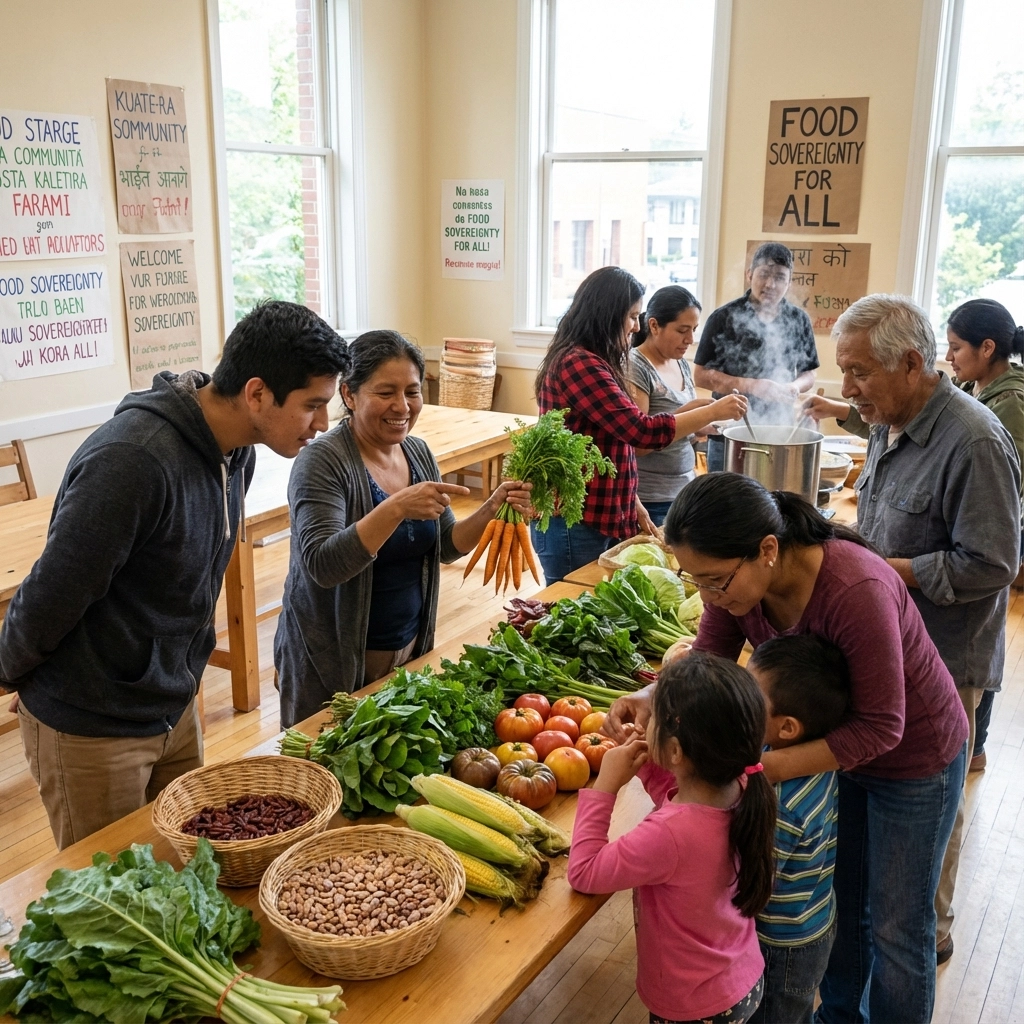
Food security in Edmonton is being revolutionized, one culturally appropriate grocery program at a time. The shelves are filling with plantains, spices, and familiar flavors. Communities are being nourished not just physically, but culturally and spiritually.
This revolution is happening now, and it needs your voice, your support, and your vision of what food justice can look like. Because when everyone has access to foods that truly nourish them: body, soul, and culture( we all become more food secure.)