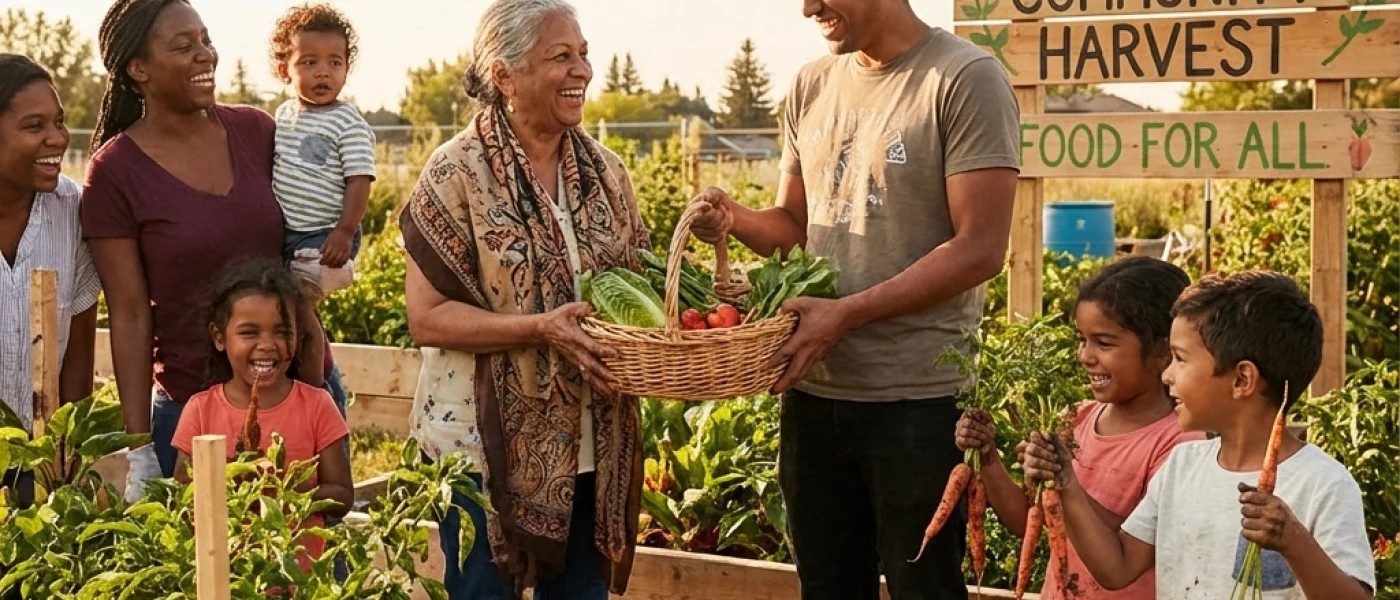
Have you ever wondered what true food security looks like for your family? It's not just about having enough food: it's about having access to culturally relevant, nutritious meals that honor your heritage while building community resilience.
Food insecurity in Alberta has jumped from 12% to over 20% between 2011 and 2022, hitting BIPOC communities particularly hard. But here's the thing: you don't have to face this challenge alone.
Creating lasting food security in your Edmonton community starts with understanding that this isn't just an individual problem: it's about building collective power through practical steps that work for real families.
Step 1: Connect with Culturally Appropriate Food Resources
Most people think food banks only offer generic canned goods and white bread. That's changing fast in Edmonton, especially for BIPOC families who need more than basic sustenance.
The Afro-Caribbean Food Bank delivers culturally relevant hampers filled with staples like yam flour, palm oil, plantains, and spices that actually make sense for your family's cooking traditions. You're not just getting calories: you're getting ingredients that connect you to home and allow you to prepare meals with familiar flavors.
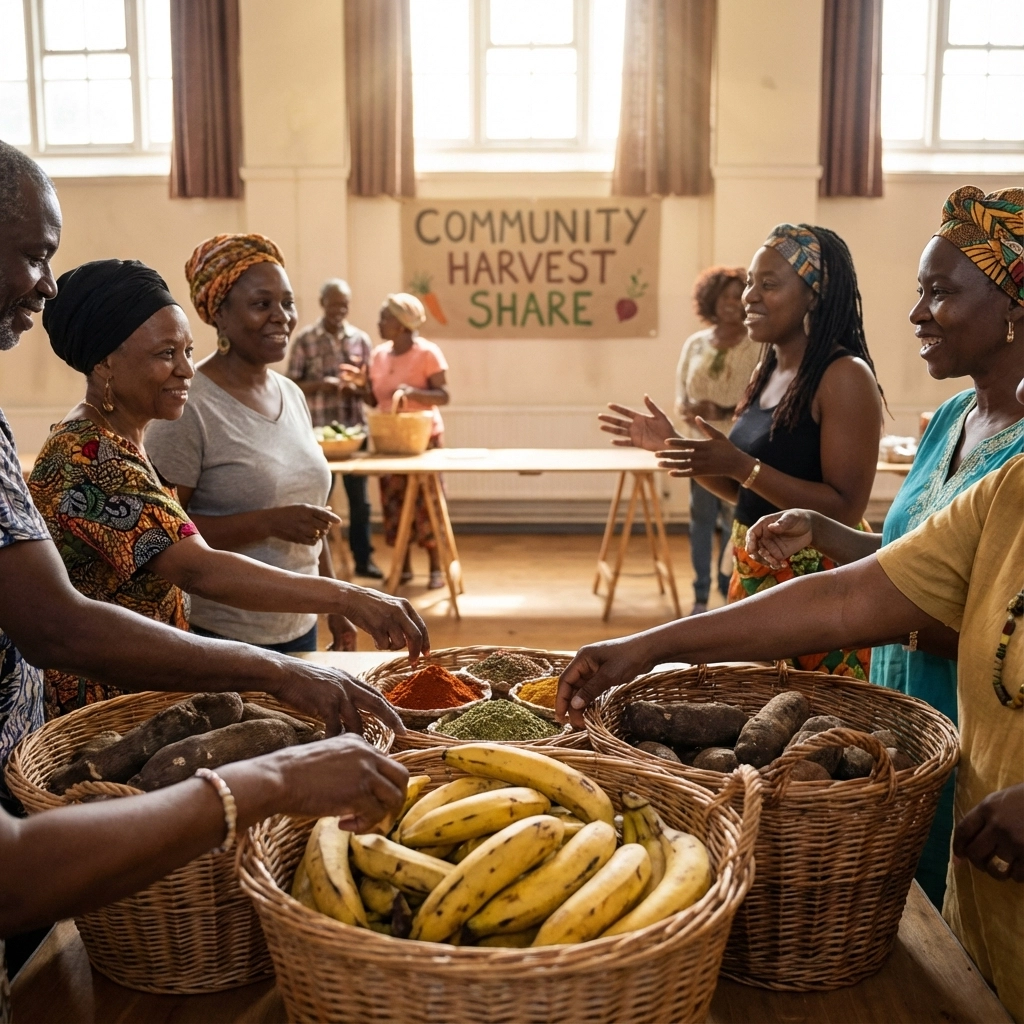
But here's what makes this different from traditional food assistance: these programs understand that food security isn't just about nutrition. It's about dignity, cultural identity, and belonging. When you can cook Jollof rice or prepare traditional stews, you're feeding your soul alongside your body.
The Edmonton Multicultural Coalition's Food Security Project takes this even further. They partner with cultural grocers and community kitchens specifically to ensure you can access fresh, relevant, and sufficient food that matches your household's needs.
Pro tip: Don't wait until you're in crisis to connect with these resources. Building relationships with culturally appropriate food programs creates a safety net before you need it.
Step 2: Build Community Through Shared Meals and Networks
Curious about how food can become your gateway to building lasting community connections? Every Thursday at 3 PM in downtown Edmonton, the Afro-Caribbean Food Bank hosts community meals that go far beyond just eating together.
These gatherings create spaces where you experience cultural cuisine while naturally building bonds with neighbors who share similar experiences. You're not just showing up for a free meal: you're participating in community building that strengthens everyone's food security.
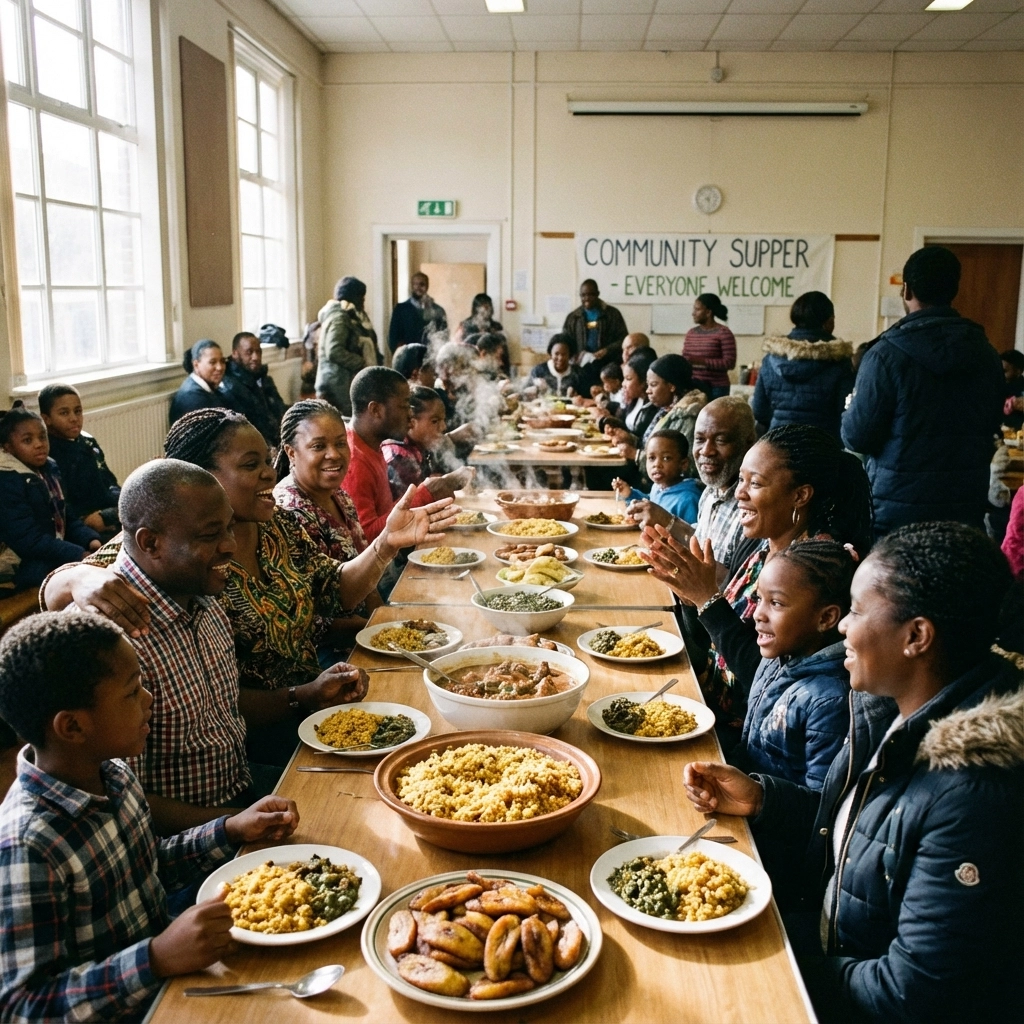
Imagine walking into a space where the aroma of Caribbean spices fills the air, where conversations flow in multiple languages, and where newcomers find their first sense of belonging in Edmonton. This is what happens when food becomes the centerpiece of community connection.
Here's the deeper value: when you participate regularly in community meals, you create informal networks of mutual support. You learn about job opportunities, housing options, and resources that formal programs might not offer. You become part of a web of relationships that catch people when they fall.
The key insight: Food security becomes sustainable when it's rooted in community relationships rather than individual solutions.
Step 3: Develop Food Knowledge and Cooking Skills
Have you ever stood in a grocery store feeling overwhelmed by food labels you can't understand or prices that don't make sense for your budget? You're not alone, and there are specific programs designed to change this experience.
Food literacy workshops through community organizations equip you with practical tools to navigate Edmonton's food system confidently. These aren't generic cooking classes: they're grocery store tours, budget-friendly meal planning sessions, and culturally inclusive cooking workshops that respect your family's food traditions.
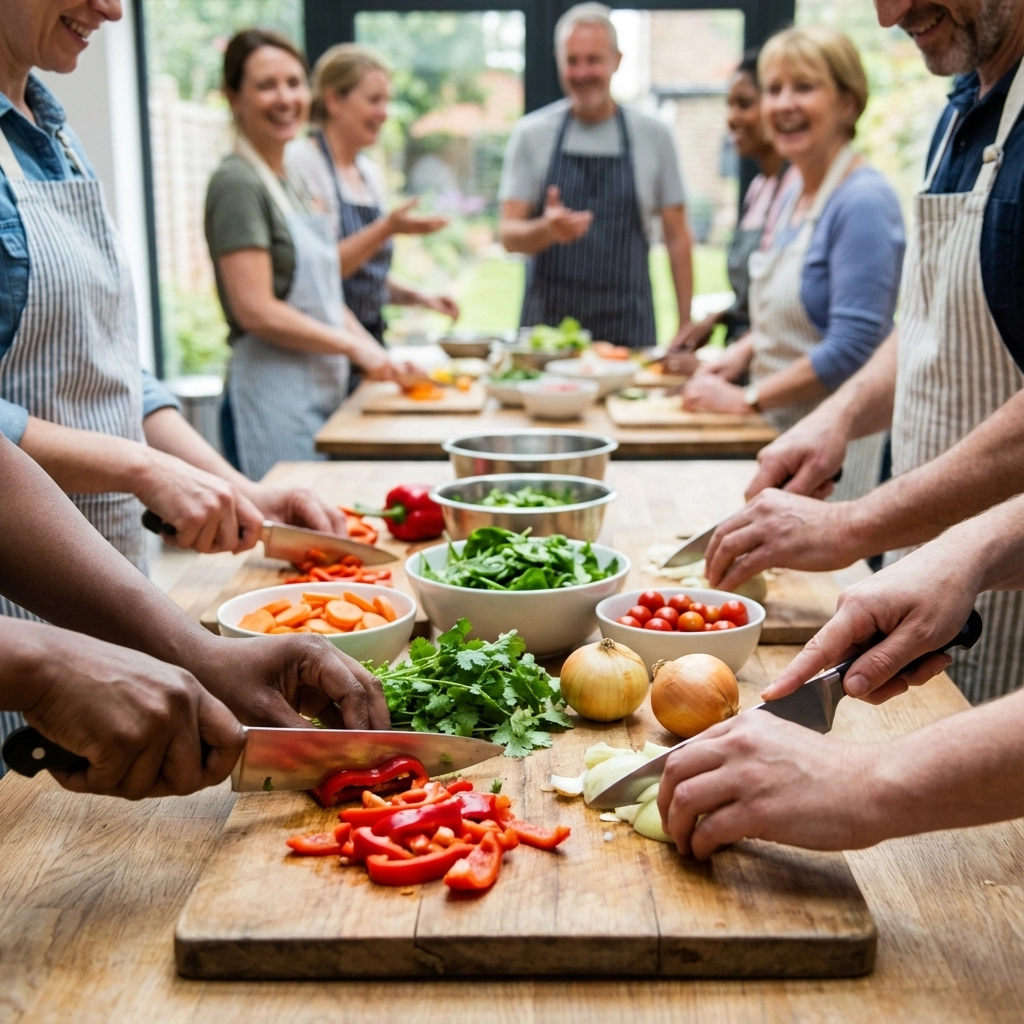
Picture this: you learn how to stretch a limited food budget while still preparing meals that taste like home. You understand food labels, seasonal pricing, and where to find specialty ingredients without breaking the bank. This knowledge compounds over time, making you a resource for others in your network.
But here's what makes these programs powerful: they're designed by and for BIPOC communities. The instructors understand that "healthy eating" looks different across cultures and that your grandmother's recipes might be more nutritious than anything you'll find in mainstream nutrition guides.
Action step: Sign up for at least one food literacy program this month. The skills you gain will serve your family for years to come.
Step 4: Get Involved in Local Food Production
Most people think urban farming is just a trendy hobby for people with extra time and money. In Edmonton, it's actually become a cornerstone of community food security, especially for BIPOC families.
Edmonton has over 73 community gardens on public land, with an additional 83 pop-up or temporary gardens developed between 2020 and 2023. These aren't just pretty spaces: they're active food production sites that strengthen your neighborhood's food environment while fostering local economic growth.
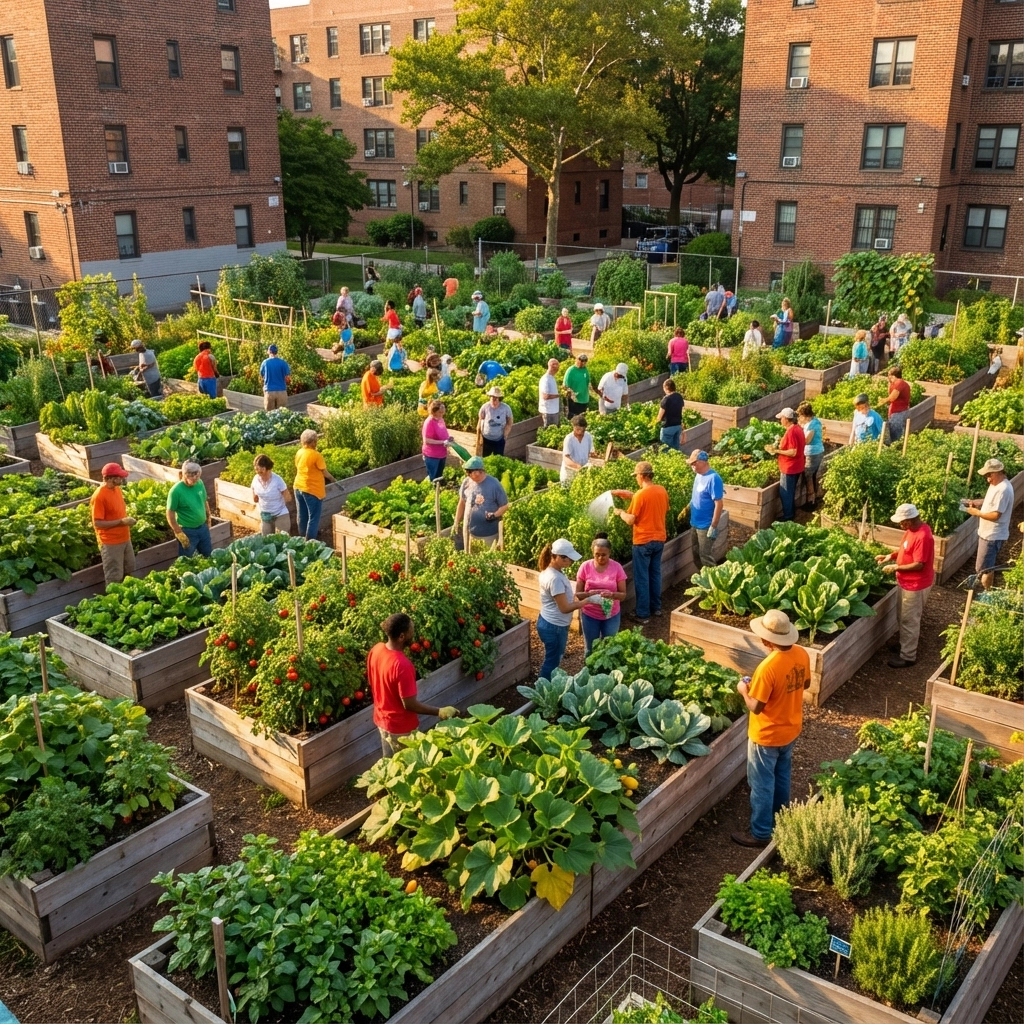
When you participate in community gardening, you gain direct control over part of your family's food supply. You can grow culturally relevant vegetables that might be expensive or hard to find in stores. You learn skills that reduce your dependence on commercial food systems while building relationships with neighbors who share your commitment to food sovereignty.
The Food Security and Food Justice Ecosystem of Edmonton (FSFJE) actively supports these initiatives through coordinated community efforts. They understand that local food production becomes most powerful when it's connected to broader advocacy for food justice.
Here's how you can start: identify community gardens in your area, attend orientation sessions, and commit to regular participation. Even if you've never grown food before, you'll find experienced gardeners eager to share knowledge and support your learning process.
Step 5: Advocate for Systems Change and Access Funding
Are you ready to move beyond individual solutions and address the root causes of food insecurity in your community? This step transforms you from someone who receives support to someone who shapes the systems that create lasting change.
The City of Edmonton offers Anti-racism Grant Programs that specifically prioritize BIPOC-led organizations and groups with budgets under $250,000. This isn't just funding: it's recognition that communities facing food insecurity often have the best solutions if they have resources to implement them.
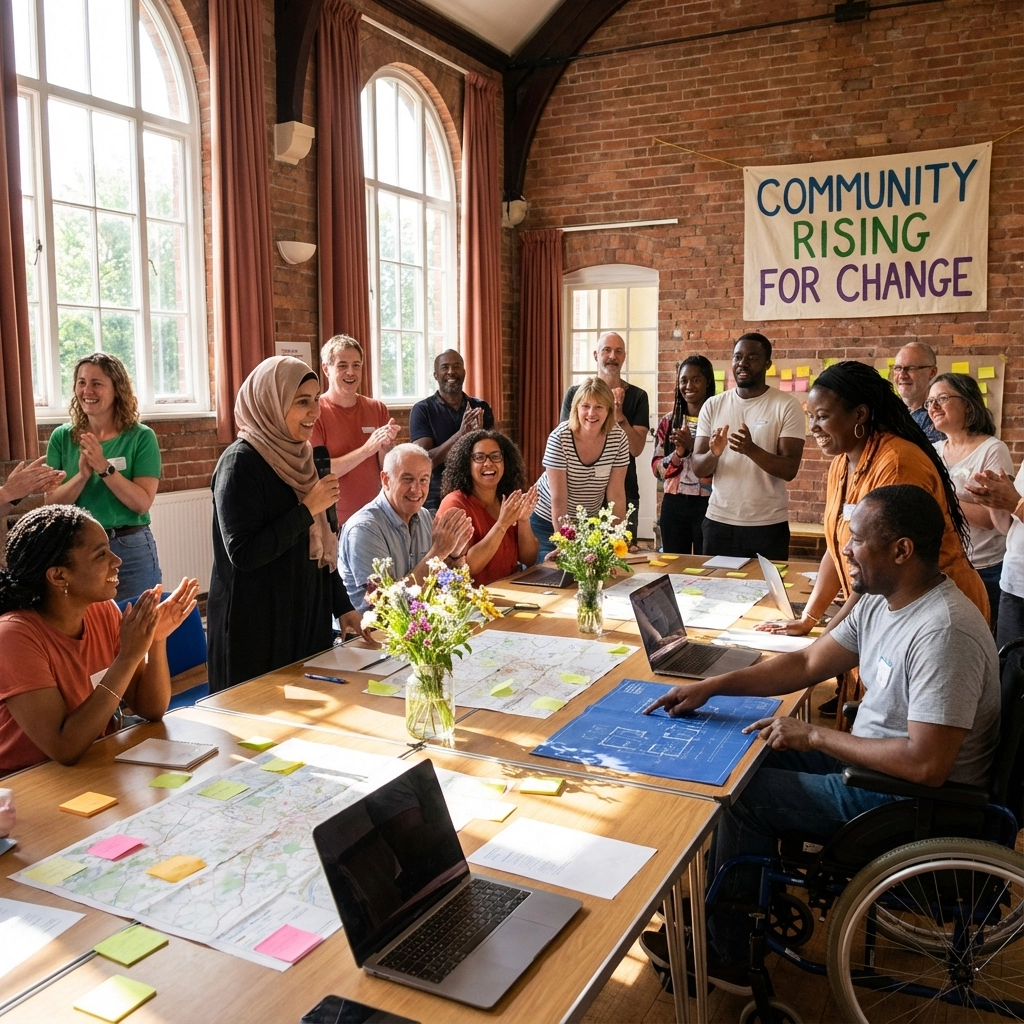
The Food Security and Food Justice Ecosystem of Edmonton works on creating pathways for systems change by advocating for food as a human right and advancing policy changes that support food resilience. When you partner with grassroots groups and community organizations, you influence broader food security initiatives that benefit entire neighborhoods.
Here's what this looks like in practice: You join advocacy efforts for better public transit to food sources. You support policy changes that make cultural foods more accessible. You help secure funding for programs that serve BIPOC communities. You use your voice and experience to educate decision-makers about what your community actually needs.
This collective approach has proven more effective at addressing root causes of food insecurity than individual charity or assistance programs alone.
Your Next Steps Start Today
Creating food security in your Edmonton community isn't about choosing one approach: it's about weaving together cultural connection, practical skills, local production, and systemic advocacy into a web of resilience that supports your family and neighbors.
You don't have to implement all five steps at once. Start with the step that feels most accessible to you right now, whether that's connecting with culturally appropriate food programs, joining a community meal, or exploring your neighborhood's community gardens.
Remember: Food security becomes lasting when it's rooted in community relationships, cultural respect, and collective action. Your participation doesn't just help your family: it strengthens the entire network of support that catches everyone when they need it most.
The resources exist in Edmonton. The communities are ready to welcome you. The only question left is: which step will you take first?