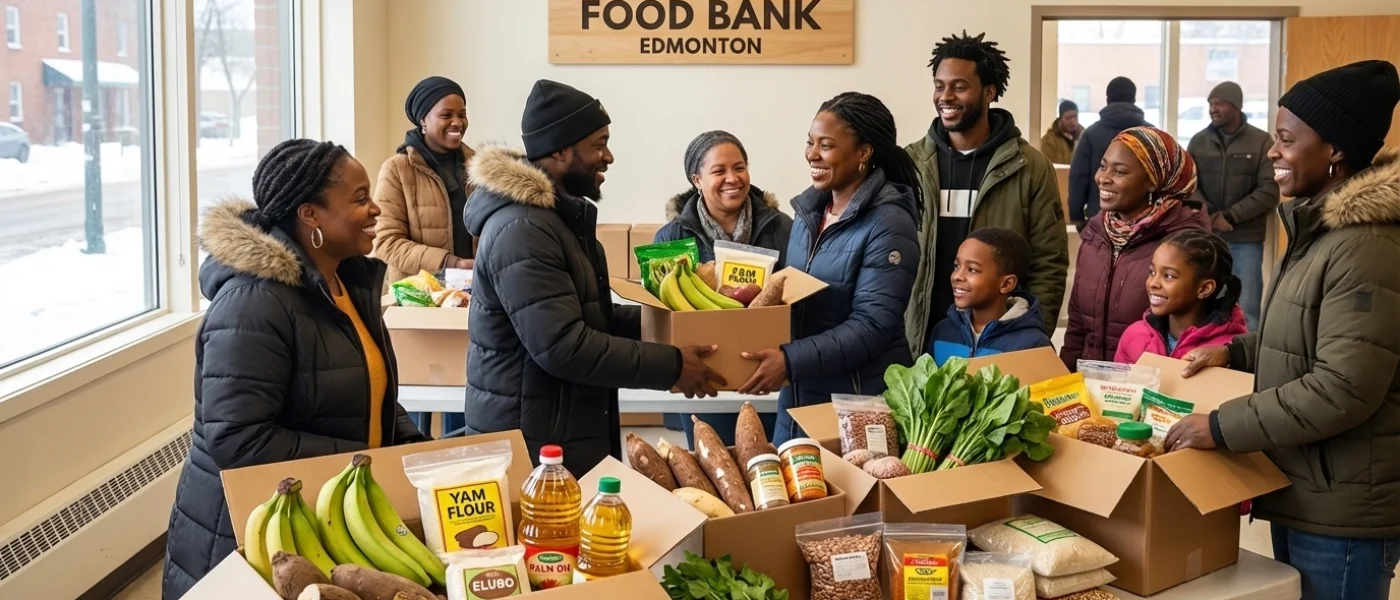
You clock in every morning, earn your paycheck, and still find yourself standing in line at a food bank. Does this scenario feel impossible? For thousands of employed families in Edmonton, it's a monthly reality: and there's absolutely no shame in seeking the support you need.
The myth that having a job guarantees food security is exactly that: a myth. 38% of Black families in Canada experienced food insecurity in 2022, which was twice the rate for white families. Behind these statistics are real families with real jobs who are making impossible choices between rent and groceries, between gas for work and culturally appropriate foods for their children.
When Paychecks Don't Stretch Far Enough
Your employment status doesn't tell the whole story of your financial reality. You might be working full-time at minimum wage, watching inflation eat away at your purchasing power. You could be supporting extended family members back home while trying to establish yourself in Edmonton. Maybe you're a recent graduate carrying student loan debt, or a newcomer whose credentials aren't yet recognized in Canada.
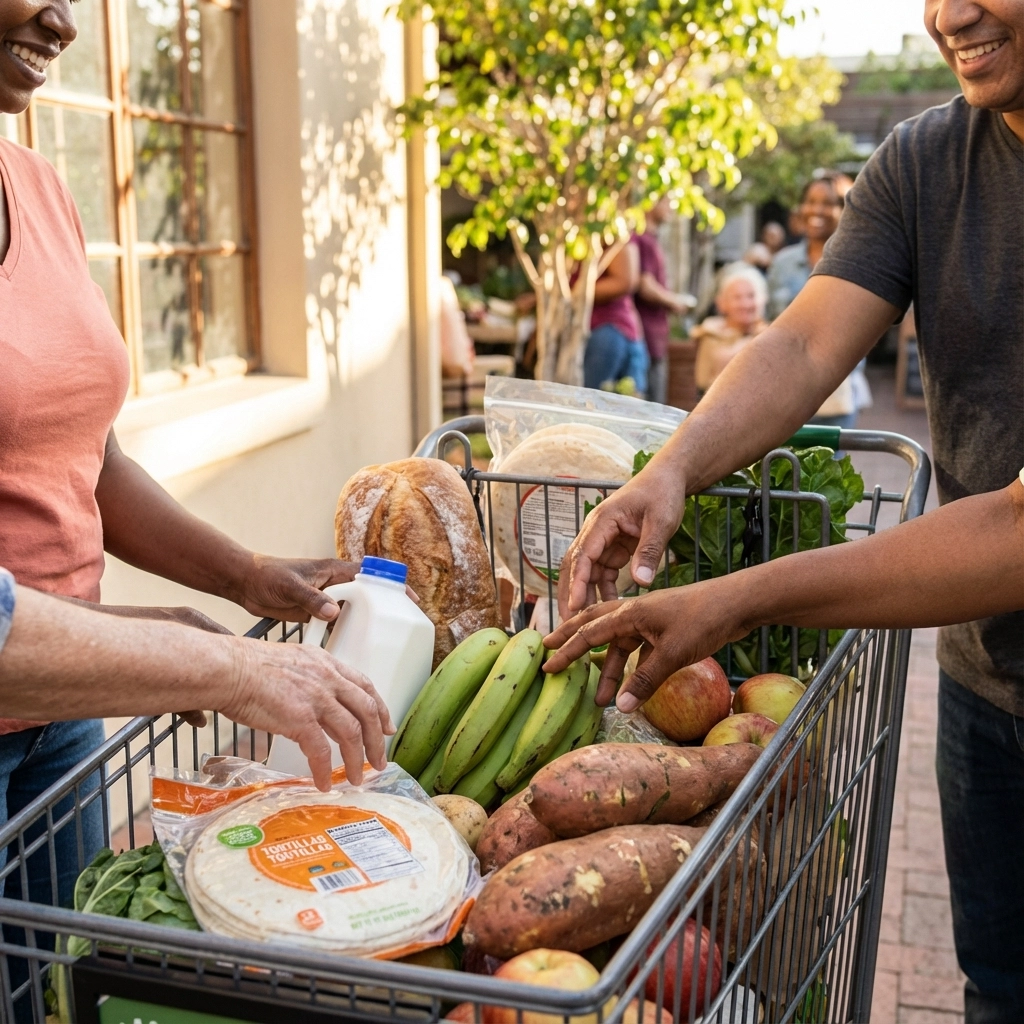
The math is simple and brutal: if your rent takes 50-60% of your income, utilities claim another 15%, and transportation costs drain more, what's left for groceries barely covers the basics: let alone the foods that nourish your soul and connect you to your cultural identity.
The Hidden Costs of Starting Over
For many families who turn to the Afro-Caribbean Food Bank, employment is just one piece of a complex puzzle. You might be rebuilding your life after immigration, where every dollar goes toward establishing stability. Your qualifications from your home country might not be recognized yet, forcing you into survival jobs while you navigate recertification processes.
Starting over means you're often earning entry-level wages while supporting the same family responsibilities you had before. You're paying Canadian prices with an entry-level Canadian salary, all while potentially sending money to family members in your home country who depend on your support.
Why Culturally Appropriate Food Matters More Than You Think
You understand that food is more than fuel: it's connection, comfort, and cultural identity. When you're already stretched thin financially, the choice between affordable groceries and culturally familiar foods becomes painful. A bag of rice might fill your stomach, but it doesn't fill the emotional need for plantains, yam flour, or palm oil that reminds you of home.

This is where the Afro-Caribbean Food Bank becomes essential. You don't just receive food; you receive dignity. You can prepare Jollof Rice for your children, cook Callaloo that tastes like your grandmother's recipe, and maintain the food traditions that keep your family connected to their roots.
The psychological impact of this support extends far beyond nutrition. When you can serve familiar foods to your family, you're preserving cultural identity in a new country. You're showing your children that their heritage matters, even when finances are tight.
Breaking Down the Working Poor Reality
The term "working poor" describes millions of Canadians, and it's particularly relevant in immigrant and racialized communities. You might be working multiple part-time jobs without benefits, dealing with irregular hours that make budgeting nearly impossible. Perhaps you're in a field where wages haven't kept pace with Edmonton's rising cost of living.
Consider these common scenarios that lead employed families to seek food bank support:
Seasonal Employment Gaps: You work in construction, landscaping, or other seasonal industries where winter months bring financial strain, even if you've saved throughout the working season.
Irregular Income: Your work in the gig economy or contract positions means some months are better than others, and you need support during the lean periods.
Medical Expenses: Even with a job, unexpected health costs or prescription medications can devastate a tight budget, forcing choices between medicine and groceries.
Childcare Costs: The expense of quality childcare can consume an entire salary, making food banks a necessary bridge for working parents.
The Newcomer Experience and Employment Challenges
If you're new to Canada, you're navigating systems while establishing your career. Your first job might not reflect your skills or education, but it's a starting point. During this transition period, food banks provide crucial support that allows you to focus on career advancement without worrying about your family's next meal.

The Afro-Caribbean Food Bank understands these unique challenges. They don't just offer food distribution; they provide newcomer support services, helping you connect with employment resources and housing assistance. This holistic approach recognizes that food security is connected to overall stability.
Removing the Stigma of Seeking Support
The shame around food bank use often stems from misconceptions about who "deserves" help. You deserve support regardless of your employment status. You deserve access to culturally appropriate foods. You deserve dignity in times of financial strain.
Many families wait too long before seeking help, struggling in silence while their situation worsens. By the time they reach out, stress has affected their work performance, family relationships, and mental health. Early support prevents this downward spiral.
The Afro-Caribbean Food Bank operates with this understanding. Their Thursday community meals at 3 PM aren't just about distribution: they're about building community, sharing resources, and creating spaces where seeking help feels normal and supported.
How ACFB Specifically Supports Working Families
Understanding your unique needs as an employed family facing food insecurity, ACFB offers services designed around your reality:
Flexible Distribution Times: Recognizing that you work during traditional hours, they accommodate working schedules for pickups and distributions.
Emergency Food Assistance: When unexpected expenses hit: car repairs, medical bills, family emergencies: emergency food hampers provide immediate relief without judgment.
Culturally Relevant Nutrition Education: Learning to prepare nutritious meals with culturally familiar ingredients while managing a tight budget.
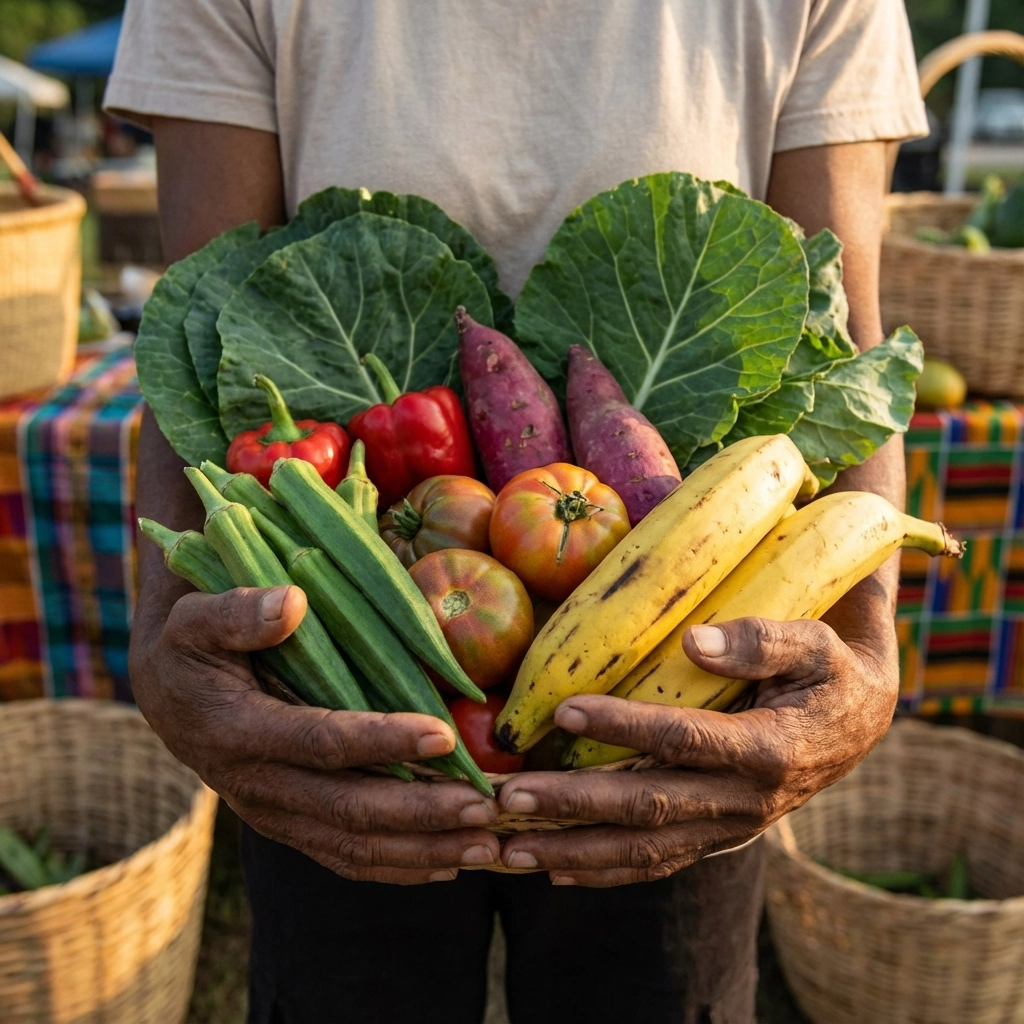
Community Gardens: Access to fresh produce and the opportunity to grow foods that might be expensive or hard to find in regular grocery stores.
Outreach and Delivery: For families where transportation costs or time constraints make visiting difficult, delivery services ensure you still receive support.
The Ripple Effect of Food Security on Employment
When you're not worried about your next meal, you perform better at work. Food security reduces stress, improves concentration, and provides the mental space needed for career advancement. Children who eat regularly perform better in school, creating positive cycles for entire families.
This connection between food security and employment success is why supporting working families makes economic sense. The assistance you receive today enables the stability needed for tomorrow's career growth.
Building Community While Building Careers
The Afro-Caribbean Food Bank creates more than food access: it builds networks. Other families you meet are navigating similar challenges. You share job leads, childcare solutions, and emotional support that extends far beyond the food distribution.
These community connections often prove as valuable as the food itself. You discover that you're not alone in your struggles, and that seeking help is a sign of wisdom, not weakness.

Taking Action Without Shame
If you're employed and struggling with food costs, reaching out for support is a practical decision, not a moral failing. The Afro-Caribbean Food Bank exists precisely because employment doesn't guarantee food security, especially for racialized and immigrant families facing systemic barriers.
You can access their services while continuing to work toward financial stability. Many families use food bank support as a bridge: receiving help during challenging periods while building toward independence.
Your story matters, your struggles are valid, and your cultural food needs deserve respect. The Afro-Caribbean Food Bank recognizes all of this, offering support that honors your dignity while addressing your practical needs.
Whether you're supporting your family through a career transition, managing the costs of establishing yourself in Canada, or simply finding that your paycheck doesn't cover Edmonton's rising costs, help is available. There's no shame in seeking support: there's only strength in taking care of your family in whatever way necessary.
Visit acfoodbank.ca to learn more about services, volunteer opportunities, and how you can access culturally appropriate food support that respects your dignity and meets your family's needs. Your employment status doesn't determine your worth, and your need for support doesn't define your future success.