
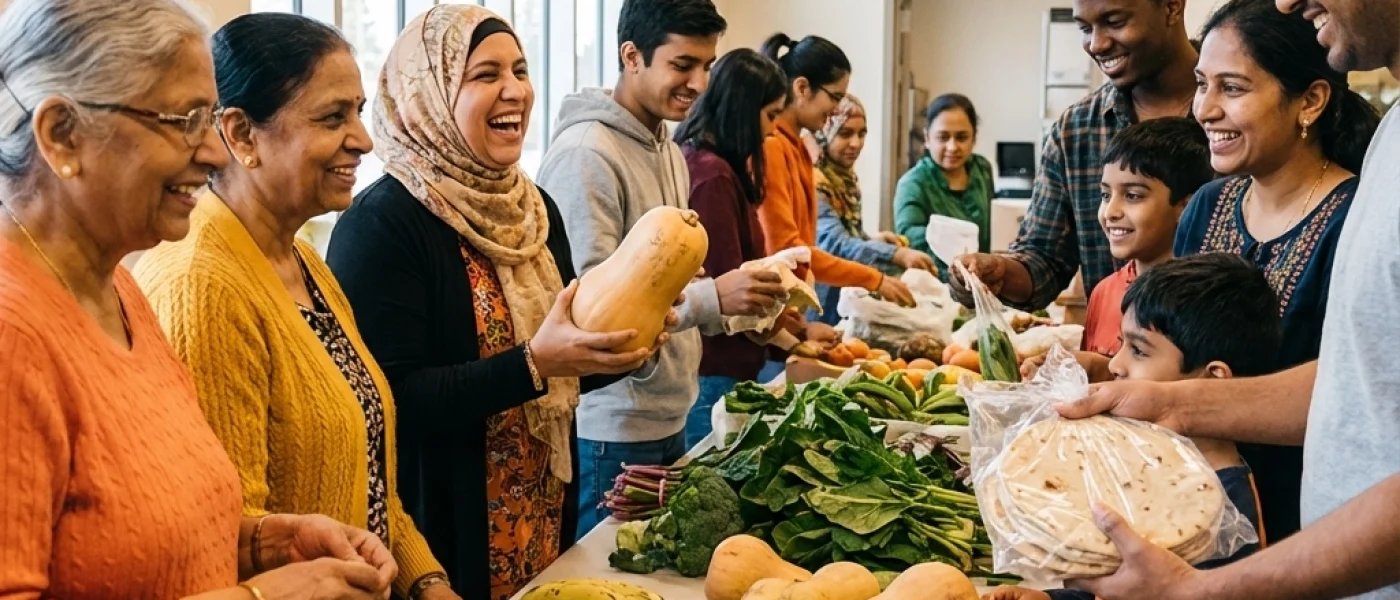
Picture this: You're standing in line at a traditional food bank, grateful for the assistance but wondering if you'll find plantains, yams, or palm oil among the donated items. Most likely, you'll leave with pasta, canned corn, and white bread, nutritious, yes, but hardly the foods that feed your soul or connect you to your heritage.
Traditional food banks aren't dead, but they're gasping for air. More importantly for Edmonton's Afro-Caribbean and Indigenous communities, they're failing to address the deeper cultural and nutritional needs that make food truly nourishing.
The Crisis Facing Traditional Food Banks Today
Have you noticed the growing lines at Edmonton's mainstream food banks? You're not imagining it. Food insecurity rates have skyrocketed, with more than one in three people in some communities experiencing food insecurity in 2025.
Traditional food banks across North America are drowning under unprecedented demand while their funding gets slashed. The U.S. Department of Agriculture cut $500 million from emergency food assistance programs in 2025 alone. Similar funding pressures are hitting Canadian food programs, creating a perfect storm of need versus resources.
But here's what the statistics don't tell you: Even when traditional food banks have plenty of food, they're often stocked with items that don't reflect the dietary needs, cultural preferences, or cooking traditions of Edmonton's diverse communities.
Why One Size Doesn't Fit All in Food Security
Imagine opening a food hamper and finding ingredients you don't recognize, can't cook with, or that don't align with your family's dietary restrictions or cultural practices. This scenario plays out thousands of times each month in Edmonton.
Traditional food banks operate on a donation-based model that reflects the eating habits of their primary donors: often middle-class, predominantly white households. While their intentions are compassionate, the result is food distribution that serves some communities better than others.
Consider these realities facing Edmonton's minority communities:
- Dietary restrictions: Many Afro-Caribbean families follow specific dietary guidelines that aren't accommodated by standard food bank offerings
- Cooking methods: Receiving unfamiliar ingredients without knowledge of preparation methods creates food waste
- Cultural significance: Food isn't just fuel: it's connection to heritage, family traditions, and community identity
- Nutritional needs: Different populations have varying nutritional requirements based on genetics, cultural practices, and health conditions
The Rise of Culturally-Focused Food Programs in Edmonton
You're witnessing a revolution in Edmonton's food security landscape. Minority communities aren't just waiting for traditional systems to change: they're creating their own solutions.
Culturally-focused food programs are thriving because they understand what mainstream food banks miss: dignity comes through cultural recognition, not just caloric intake.
These programs operate on fundamentally different principles:
Understanding Your Community's Real Needs
Instead of asking "What food do we have available?" culturally-focused programs ask "What foods do our communities actually need and want?" This shift in perspective changes everything.
When you visit a culturally-appropriate food program, you might find:
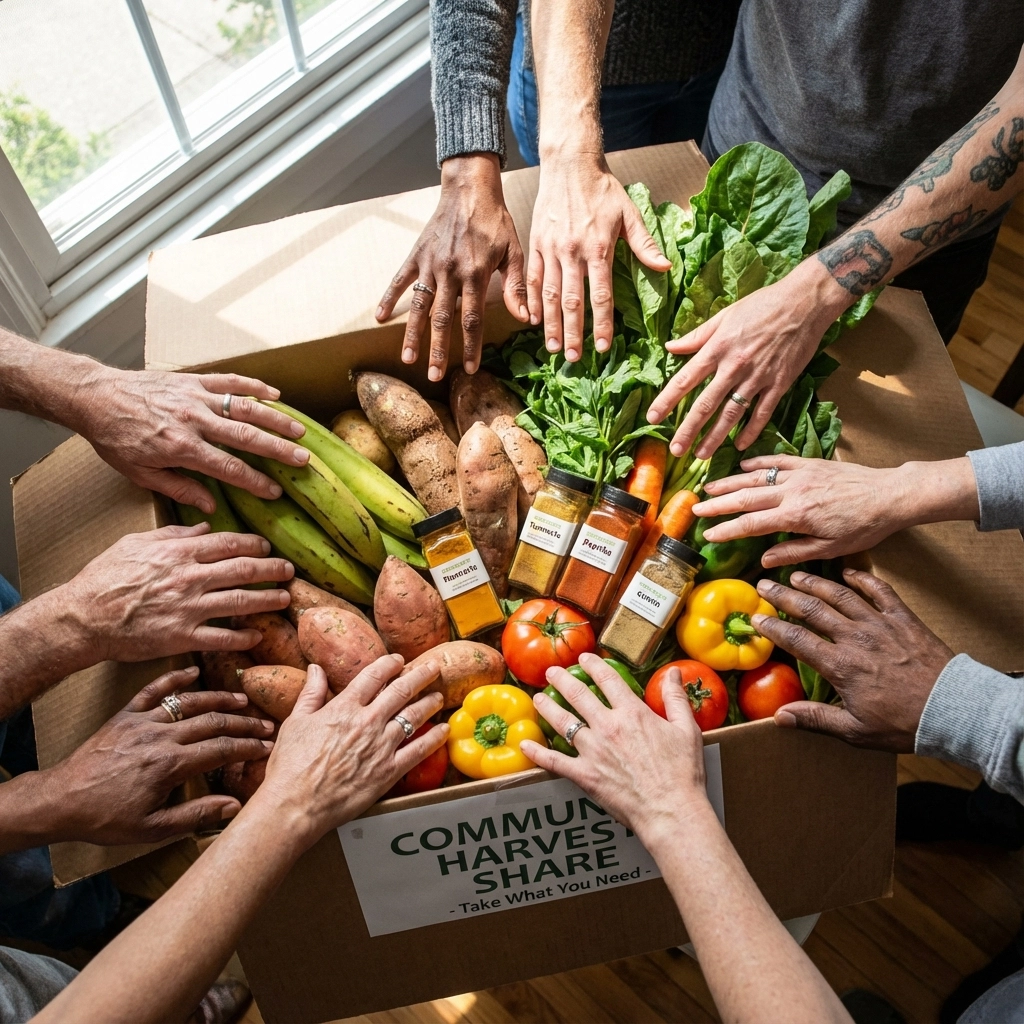
- Plantains and yams instead of potatoes
- Coconut milk and palm oil for authentic cooking
- Spices and seasonings that make familiar flavors possible
- Fresh produce that aligns with traditional recipes
- Halal or kosher options when needed
Building Community, Not Just Distributing Food
Have you ever noticed how food brings people together? Culturally-focused programs leverage this natural connection to build stronger communities.

These programs often include:
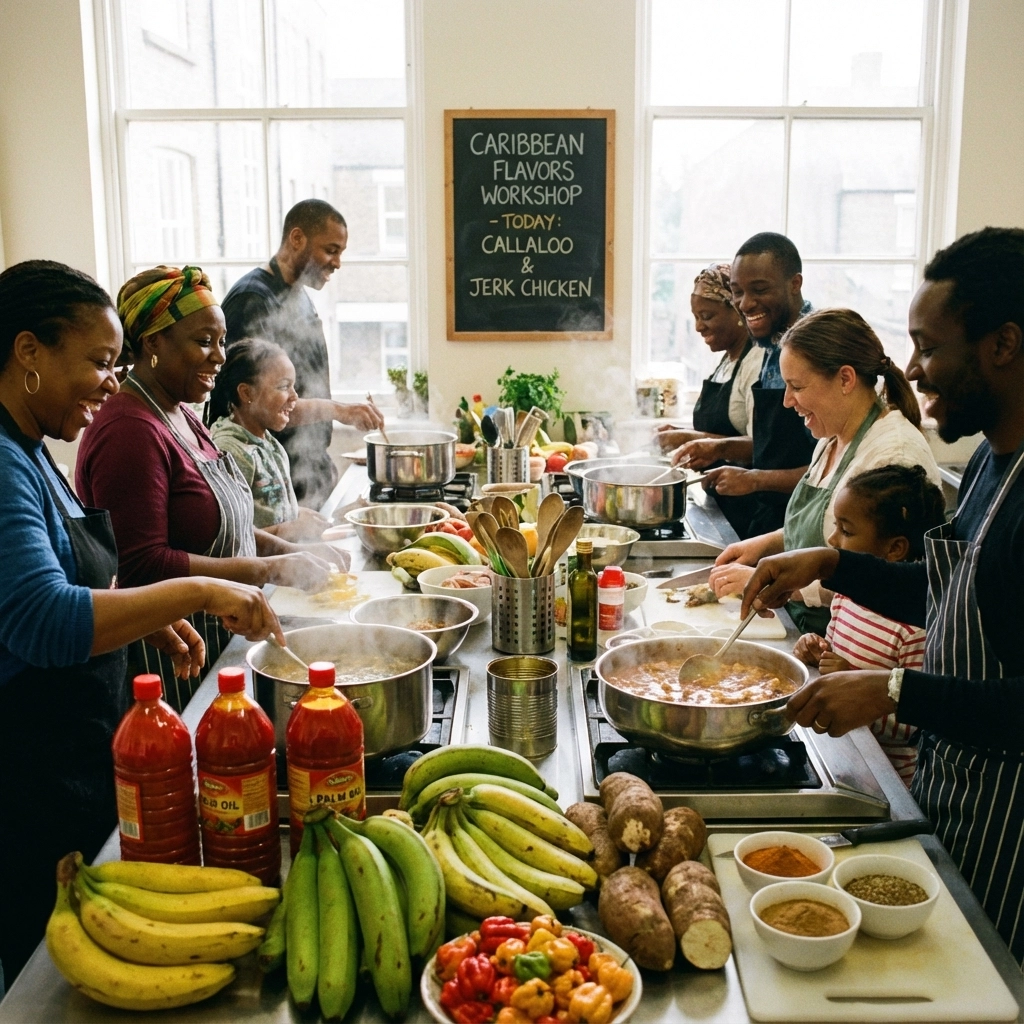
- Cooking workshops using distributed ingredients
- Nutrition education that respects cultural eating patterns
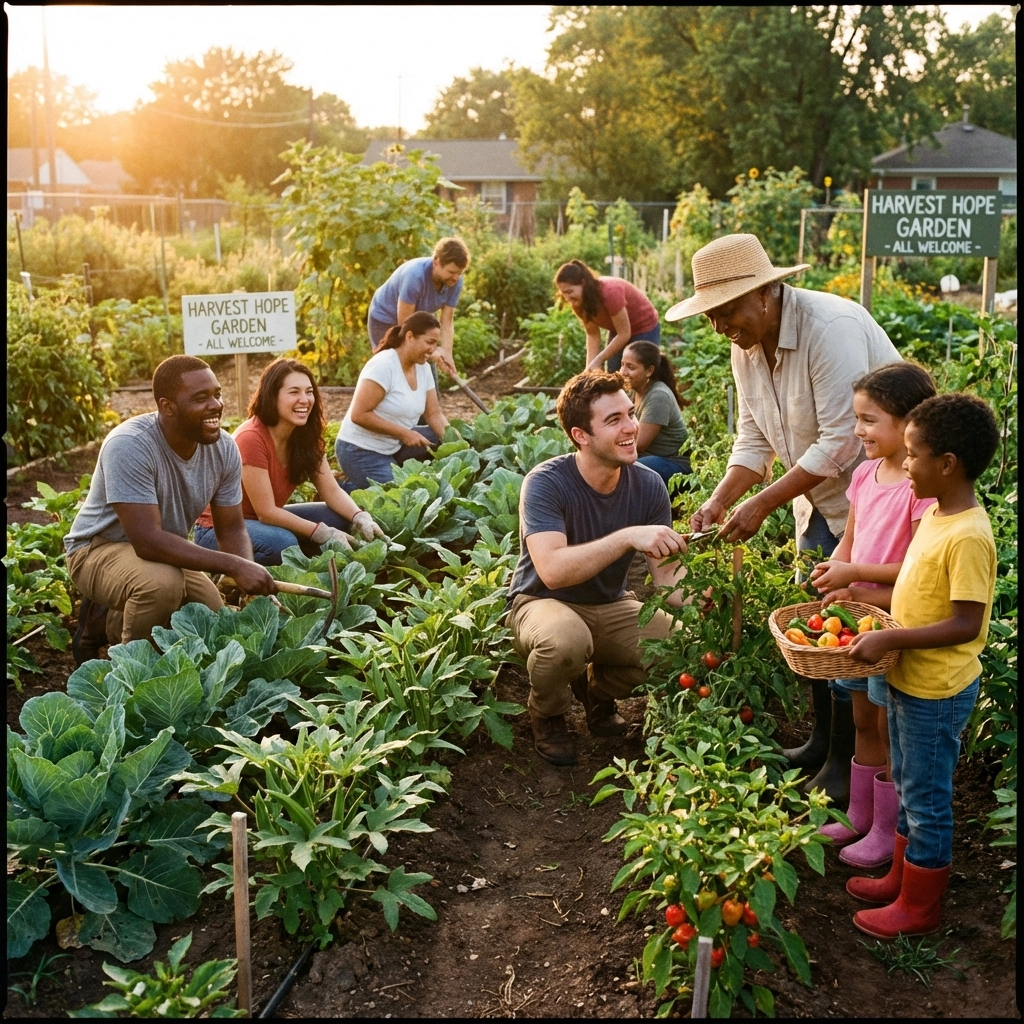
- Community gardens growing heritage vegetables
- Recipe sharing among program participants
- Cultural celebrations centered around food traditions
How Edmonton's Communities Are Leading This Change
Your neighbors are already pioneering this transformation. Across Edmonton, Afro-Caribbean, Indigenous, and other minority communities are developing food security solutions that honor their cultural identities while addressing practical needs.
The key insight? These aren't charity programs: they're community empowerment initiatives.
Here's how these programs typically operate differently:
Partnership Over Charity
Rather than creating dependency, culturally-focused programs build partnerships. You're not just a recipient: you're a community member with valuable knowledge, skills, and experiences to share.
Cultural Competency in Service Delivery
Staff and volunteers in these programs often share similar backgrounds with participants. This means:
- Language barriers are reduced or eliminated
- Cultural practices are understood and respected
- Shame and stigma associated with seeking help are minimized
- Trust and connection develop more naturally
Holistic Support Systems
You're not just receiving food: you're accessing comprehensive support that might include:
- Job training and placement assistance
- Immigration and settlement support
- Healthcare navigation
- Children's programming and education support
- Financial literacy and budgeting help
The Real Impact on Edmonton Families
Curious about how this approach actually changes lives? The differences are both practical and profound.
Maria, a recent immigrant from Trinidad, explains: "At the traditional food bank, I felt grateful but lost. I didn't know how to cook with the foods they gave me. Now, I receive familiar ingredients and I'm teaching other families how to make traditional dishes. I feel like myself again."
This transformation happens because culturally-focused programs recognize that food security isn't just about calories: it's about:
- Maintaining cultural identity in a new country
- Teaching children about their heritage through food
- Feeling dignity in times of financial difficulty
- Building social connections with people who understand your experience
- Accessing nutrition that actually supports your health needs
What This Means for Edmonton's Food Security Future
You're part of a city experiencing a fundamental shift in how we approach food insecurity. Traditional food banks will continue serving important roles, but they're no longer the only: or necessarily the best: option for all communities.
The future of food security in Edmonton looks increasingly diverse, culturally responsive, and community-driven.
This evolution benefits everyone:
For Minority Communities:
- Increased food security through culturally appropriate options
- Stronger community connections and support networks
- Preserved cultural identity during difficult times
- Enhanced dignity through respectful service delivery
for Edmonton as a Whole:
- Reduced food waste as people receive foods they can actually use
- Stronger neighborhoods through increased community engagement
- Better health outcomes from culturally appropriate nutrition
- More inclusive society where all residents feel valued
Getting Involved in This Movement
Whether you're seeking support or want to contribute to change, you have opportunities to engage with Edmonton's evolving food security landscape.
If you need culturally appropriate food support:
- Research programs specifically serving your community
- Connect with local cultural organizations and community centers
- Ask about programs that include cultural education and community building
- Look for services offered in your preferred language
If you want to support this movement:
- Donate foods and ingredients that reflect community needs
- Volunteer with culturally-focused programs
- Advocate for diverse representation in food security planning
- Support policies that fund culturally competent programming
If you're involved in traditional food banking:
- Partner with culturally-focused organizations
- Diversify your board and staff representation
- Survey your clients about their actual food preferences and needs
- Allocate portions of your budget specifically for culturally appropriate foods
The Path Forward
Traditional food banks aren't dead: they're evolving. The most successful programs are recognizing that effective food security requires cultural competency, community partnership, and respect for the diverse needs of modern Canadian communities.
Edmonton's minority communities aren't abandoning mainstream food support out of ingratitude. They're creating alternatives because they understand that true food security means having access to foods that nourish both body and spirit, connect families to their heritage, and are delivered with dignity and respect.
You're witnessing the birth of a more inclusive, effective approach to food security: one that recognizes the beautiful diversity of Edmonton's communities and ensures that everyone has access to foods that truly feed them.
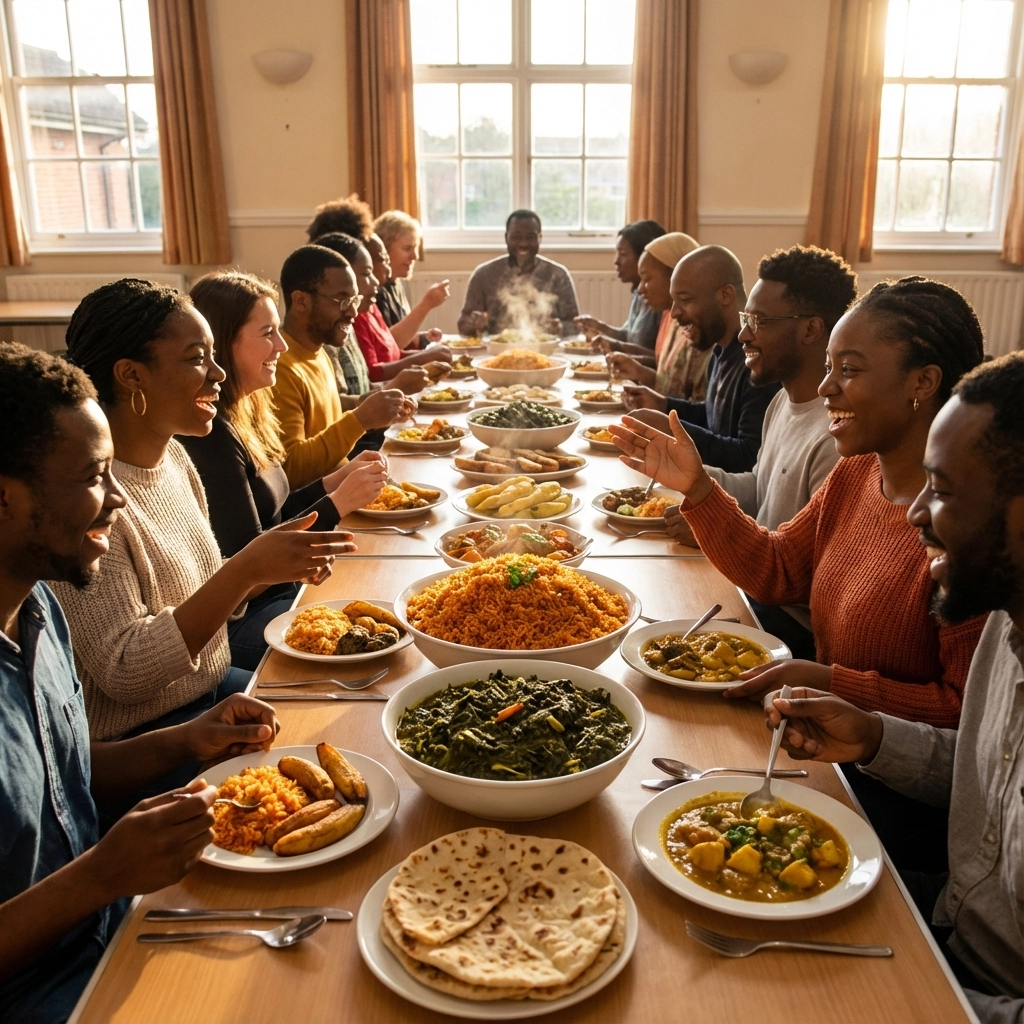
The question isn't whether traditional food banks will survive, but whether they'll adapt to serve all of Edmonton's residents with the cultural competency and respect they deserve. The communities leading this change aren't waiting for permission: they're creating the food security future Edmonton needs, one culturally appropriate meal at a time.
Ready to be part of this transformation? Learn more about culturally appropriate food programs and discover how you can contribute to a food security system that truly serves everyone in our community.


