
Preview Opening
You clock in every day, earn a steady paycheck, and still find yourself choosing between paying rent and buying the cultural foods that nourish your family's soul. If this sounds familiar, you're not alone. Across Edmonton and beyond, employed families from Afro-Caribbean, Indigenous, and other minority communities are facing a hidden crisis that challenges everything we think we know about financial stability and food security.
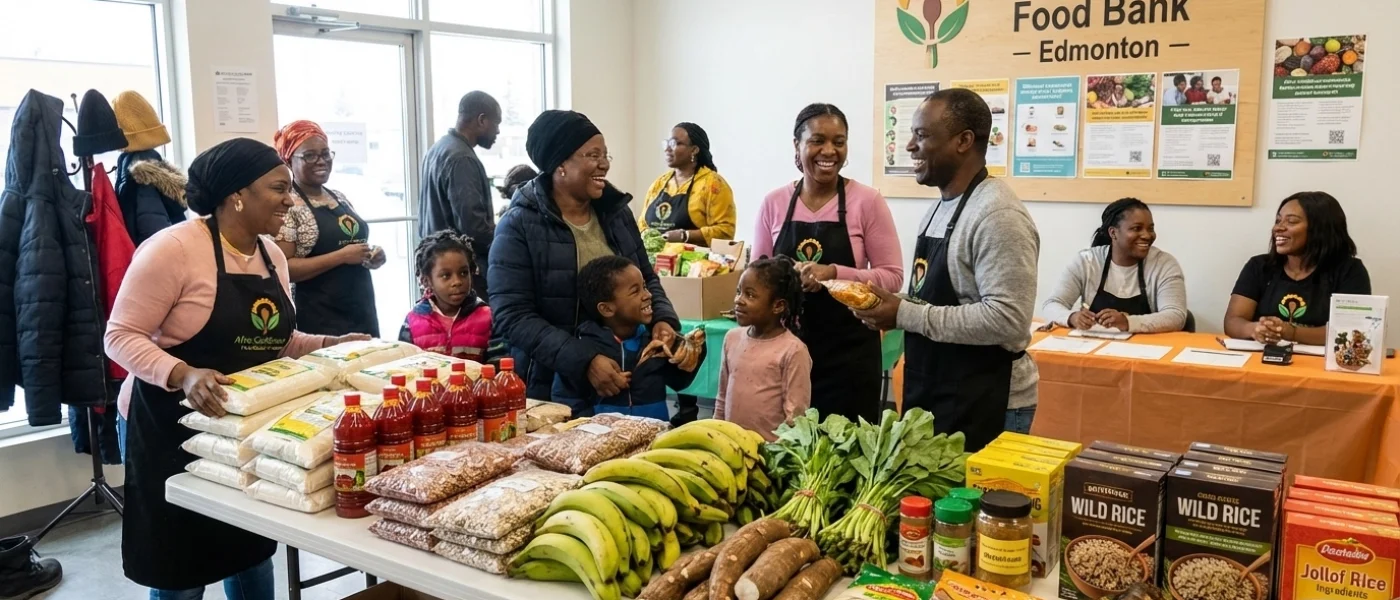
At Afro-Caribbean Food Bank, we see this reality every day: hardworking parents who need culturally appropriate food support not because they're unemployed, but because systemic barriers make their paychecks stretch impossibly thin. It's time we break the silence around this growing issue and address the uncomfortable truth: having a job simply isn't enough anymore.
What This Post Would Cover:
The Wage Gap Reality
- How minority workers earn significantly less for the same work
- Why $0.76 on the dollar creates impossible food choices
- The hidden costs of culturally appropriate groceries
When Neighborhoods Work Against You
- Food swamps vs. food deserts in minority communities
- Transportation barriers to accessing quality groceries
- How location determines your family's nutritional options

The Cultural Food Security Challenge
- Why generic food assistance doesn't meet cultural needs
- The emotional and physical impact of food disconnection
- How ACFB bridges the gap with dignity-centered support
Breaking Down the Shame
- Challenging stereotypes about who needs food support
- Stories from employed families finding community at ACFB
- Why seeking culturally appropriate help is an act of strength
Beyond Individual Solutions
- Systemic changes needed to address root causes
- How community support creates lasting change
- Your role in building food security for all families
This post would offer both eye-opening insights and practical hope, showing how ACFB's approach honors working families' dignity while addressing the real structural barriers they face. Because everyone deserves access to foods that nourish both body and cultural identity( regardless of employment status.)


