
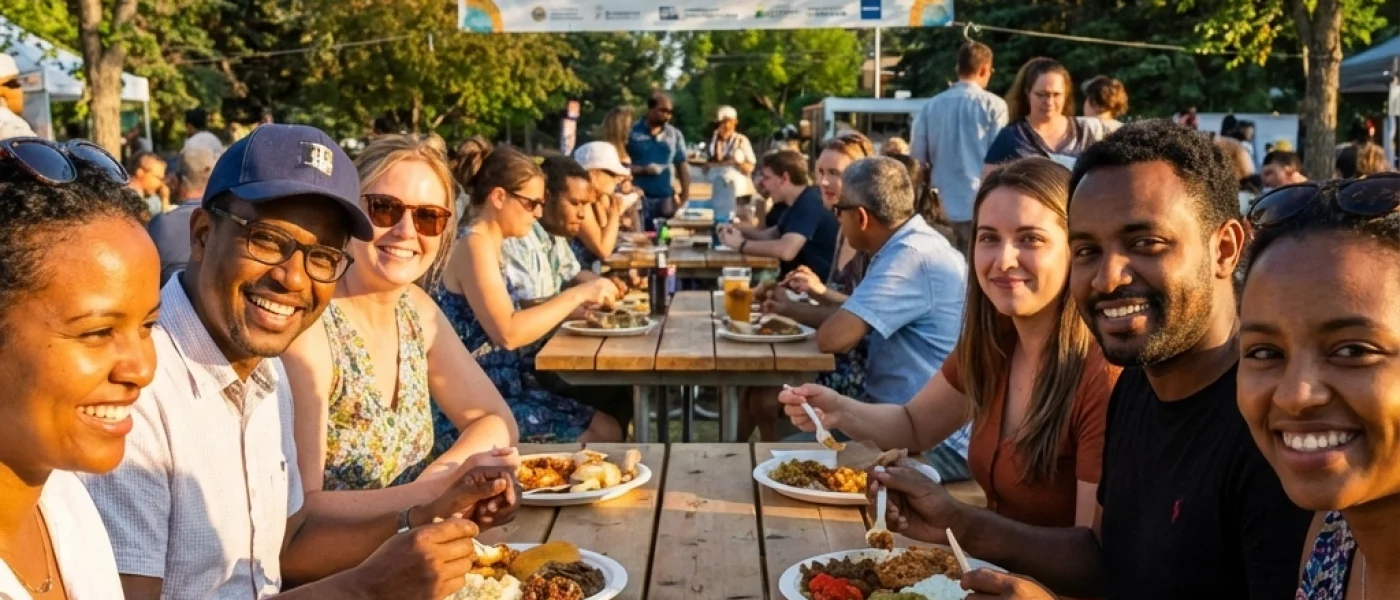
Moving to a new city can feel overwhelming, especially when you're craving the familiar flavors that remind you of home. If you've recently arrived in Edmonton, you're probably wondering where to find the spices, ingredients, and prepared foods that nourish your soul and connect you to your cultural heritage. The good news? Edmonton has evolved into one of Canada's most vibrant multicultural food destinations, where finding culturally appropriate food is easier than you might expect.
You're not alone in this journey. Over the past two decades, Edmonton has welcomed thousands of newcomers from around the world, and each community has contributed to the city's rich food landscape. Whether you're looking for Ethiopian berbere spice, Caribbean plantains, Indian basmati rice, or Lebanese tahini, this city has resources waiting for you.
Understanding Edmonton's Multicultural Food Scene
Edmonton's food identity reflects the beautiful diversity of its residents. You'll discover that what makes this city special isn't just one cuisine – it's how different cultures have woven their food traditions into the fabric of local life. Green onion cakes, originally from Chinese cuisine, are now considered Edmonton's unofficial dish. Vietnamese pho has become as common as coffee shops on many street corners.
This multicultural approach means you won't feel like an outsider when seeking your traditional foods. Instead, you'll find that your cuisine is likely already part of Edmonton's celebrated food story. The city has embraced foods from its Indigenous heritage alongside influences from Ukrainian, Italian, Indian, Caribbean, African, and countless other communities.
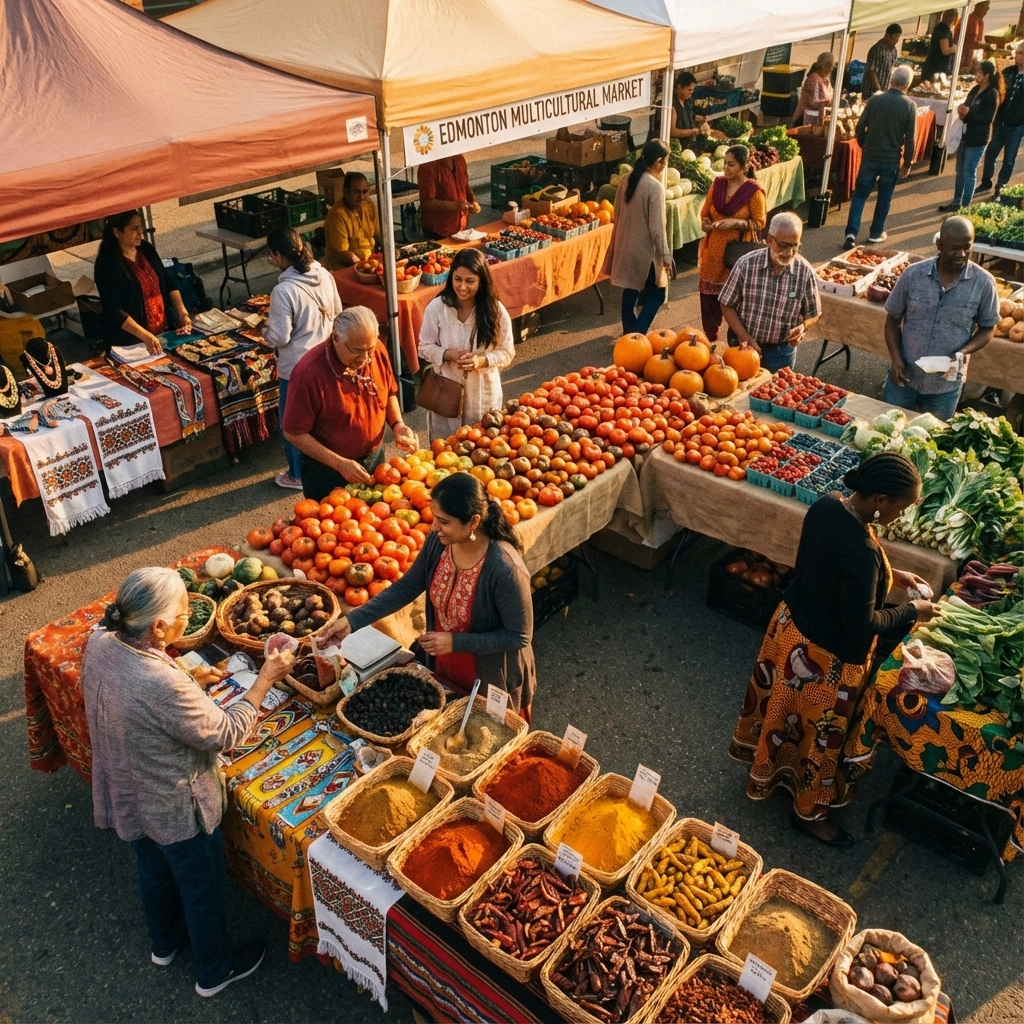
When you walk through Edmonton's neighborhoods, you'll notice how food serves as a bridge between cultures. Local restaurants don't just serve "ethnic" food – they serve Edmonton food that happens to reflect the diverse backgrounds of the people who call this city home.
Where to Find Your Cultural Foods
Finding ingredients and prepared foods from your homeland is crucial for maintaining your cultural connection and feeding your family foods they recognize and love. Edmonton has responded to its growing diversity with an impressive network of specialty markets and ethnic grocery stores.
Essential Ethnic Markets You Need to Know
African and Caribbean Communities: Head to Habesha African Market for Ethiopian specialties, or visit Kasoa Tropical Food Market where you'll find Caribbean and African staples like yam flour, palm oil, plantains, and scotch bonnet peppers. The staff often speak multiple languages and can guide you to exactly what you need for your traditional recipes.
Mediterranean and Middle Eastern Foods: Elsafadi Brothers Mediterranean Supermarket stocks everything from za'atar and sumac to fresh pita and halal meats. You'll find familiar brands and authentic products that taste like home.
Indian and South Asian Cuisine: Bombay Spices has multiple locations throughout Edmonton, offering extensive selections of spices, lentils, rice varieties, and prepared foods. Many locations include food counters where you can grab fresh samosas or curry for dinner.
Latin American Communities: Both Tienda Latina and Mi Casa Market serve the growing Latin American community with everything from masa harina for tortillas to specialty chilies and Mexican cheeses.
Italian Specialties: The Italian Centre has been serving Edmonton's Italian community for decades, offering imported products, fresh pasta, and authentic ingredients that you won't find in regular grocery stores.
Shopping Tips for Success
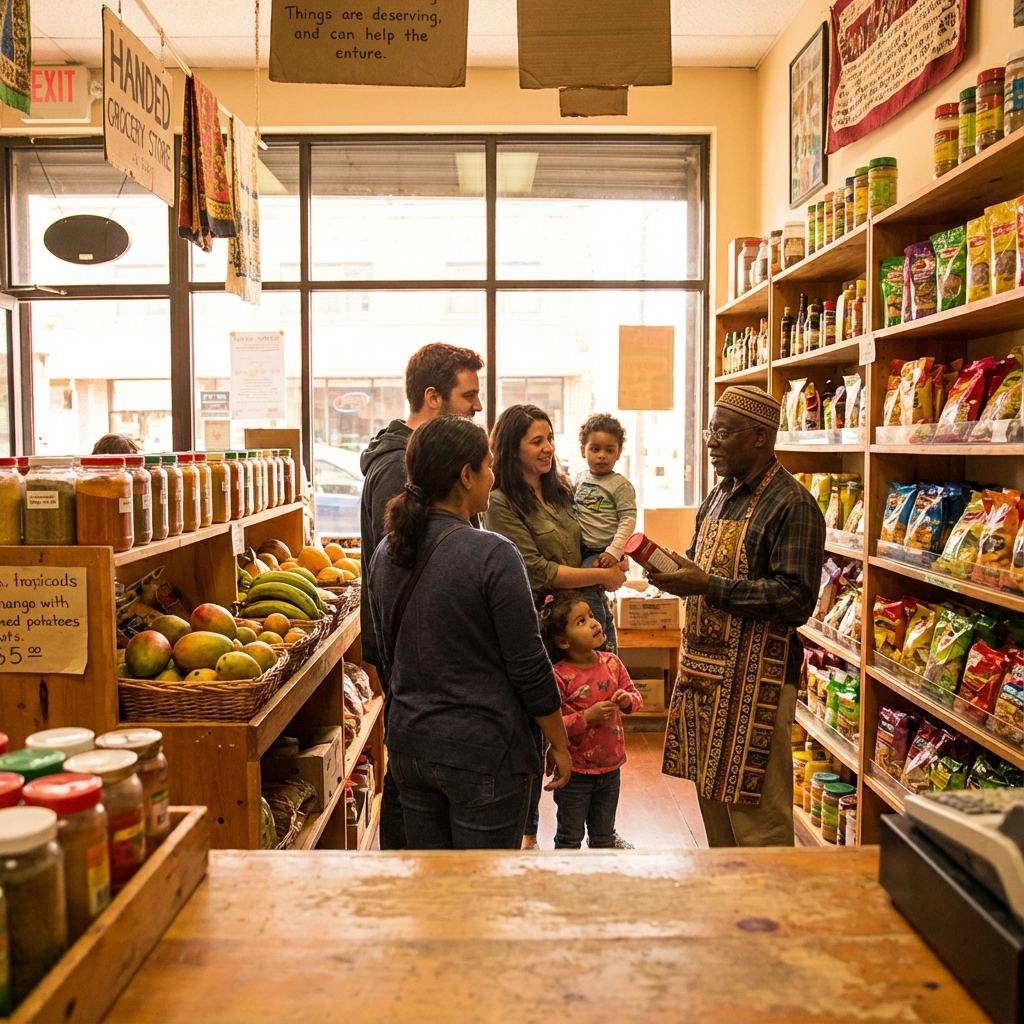
When you visit these specialty stores, don't hesitate to ask questions. Store owners and employees are typically from the communities they serve and genuinely want to help you find what you need. They can suggest substitutions for hard-to-find ingredients, share preparation tips, and often speak your native language.
Many newcomers discover that shopping patterns in Canada differ from their home countries. While you might be accustomed to daily trips to fresh markets, Canadian grocery shopping often emphasizes weekly bulk purchases. Plan accordingly, and don't be surprised if some products come in different package sizes or brands than you're used to.
Navigating Mainstream Grocery Stores
You don't need to rely solely on ethnic markets for your cultural foods. Edmonton's mainstream grocery stores have significantly expanded their international aisles in response to the city's diversity. Stores like Superstore, Safeway, and Save-On-Foods now carry basic ingredients from many cuisines.
Look for dedicated international sections where you'll find items like coconut milk, various rice types, basic spices, and frozen foods from different cultures. While the selection might not match specialty stores, these mainstream options can supplement your shopping and are often more convenient for quick trips.
Pro tip: Check the frozen food sections of mainstream stores – you'll often find surprisingly authentic options like frozen roti, dumplings, or prepared curries that can save you time on busy weekdays.
Accessing Food Support When You Need It
Sometimes, accessing culturally appropriate food isn't just about knowing where to shop – it's about having the resources to put nutritious, familiar food on your table. If you're facing food insecurity, you have options that understand your cultural needs.
Organizations like the Afro-Caribbean Food Bank recognize that food security isn't just about having enough food – it's about having access to foods that respect your cultural identity and dietary practices. These specialized programs understand that traditional food banks, while well-meaning, often can't provide the culturally specific items that make meals feel like home.

Many newcomers don't realize that seeking food assistance doesn't mean accepting whatever is available. You deserve access to foods that align with your cultural practices, religious requirements, and family preferences. Don't hesitate to connect with community organizations that understand these needs.
Building Food Community
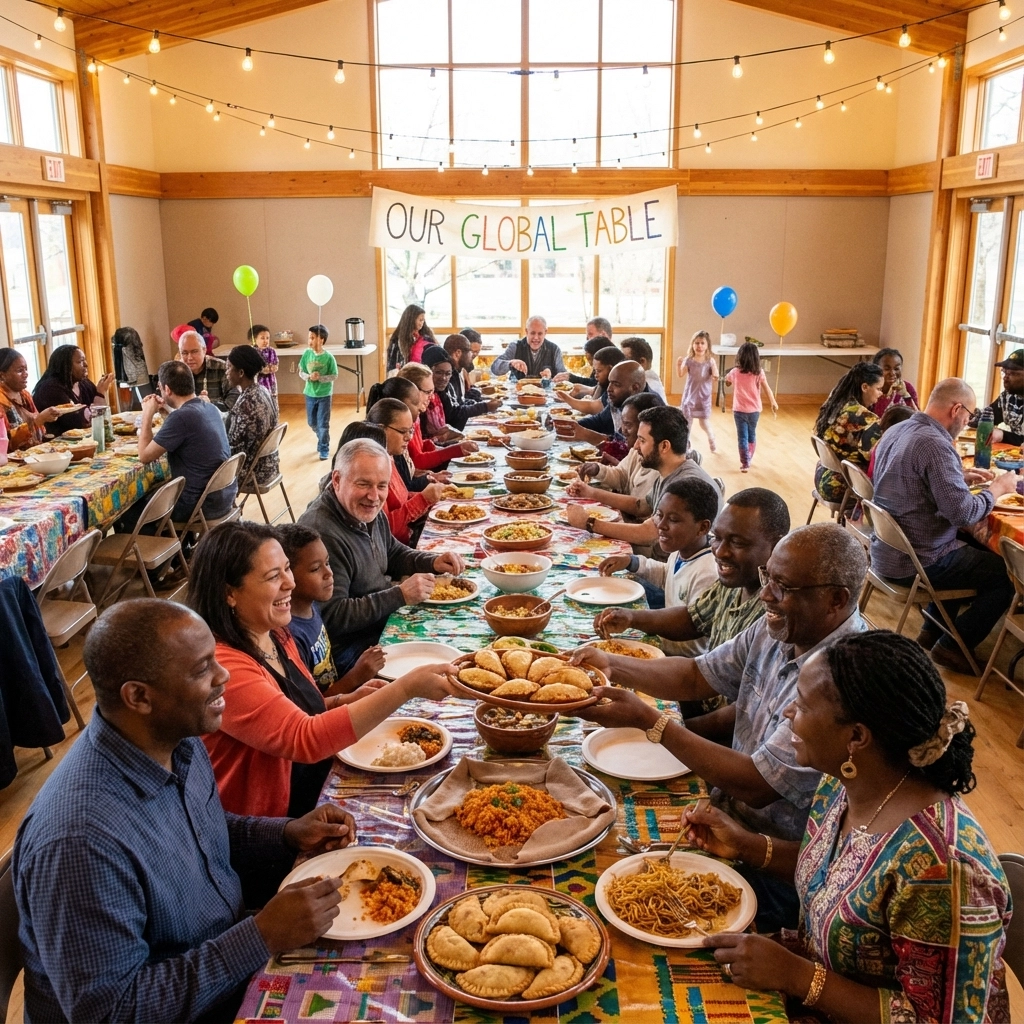
Food in Edmonton serves as more than sustenance – it's how communities maintain their cultural identity and welcome newcomers into the fold. You'll find that many cultural communities organize around food, whether through religious celebrations, community dinners, or informal recipe sharing.
Consider joining cultural associations or community centers where food often plays a central role in gatherings. These connections can lead to recipe exchanges, bulk buying groups for specialty ingredients, or simply friendships with others who understand the importance of maintaining food traditions while building new lives.
Many Edmonton communities have established informal networks where families share cooking duties, trade homemade foods, or coordinate group purchases of expensive specialty items. These relationships often begin around food but grow into crucial support systems for newcomers.
Exploring Local Food Culture
While maintaining your food traditions is important, you might also want to explore what makes Edmonton's food scene unique. The city's Indigenous heritage offers opportunities to try traditional foods like bison, Saskatoon berries, and bannock prepared in contemporary ways.
Edmonton's Ukrainian heritage runs deep, and you'll find excellent perogies, kielbasa, and borshch throughout the city. The Vietnamese community has contributed pho restaurants that have become beloved gathering places for people from all backgrounds.
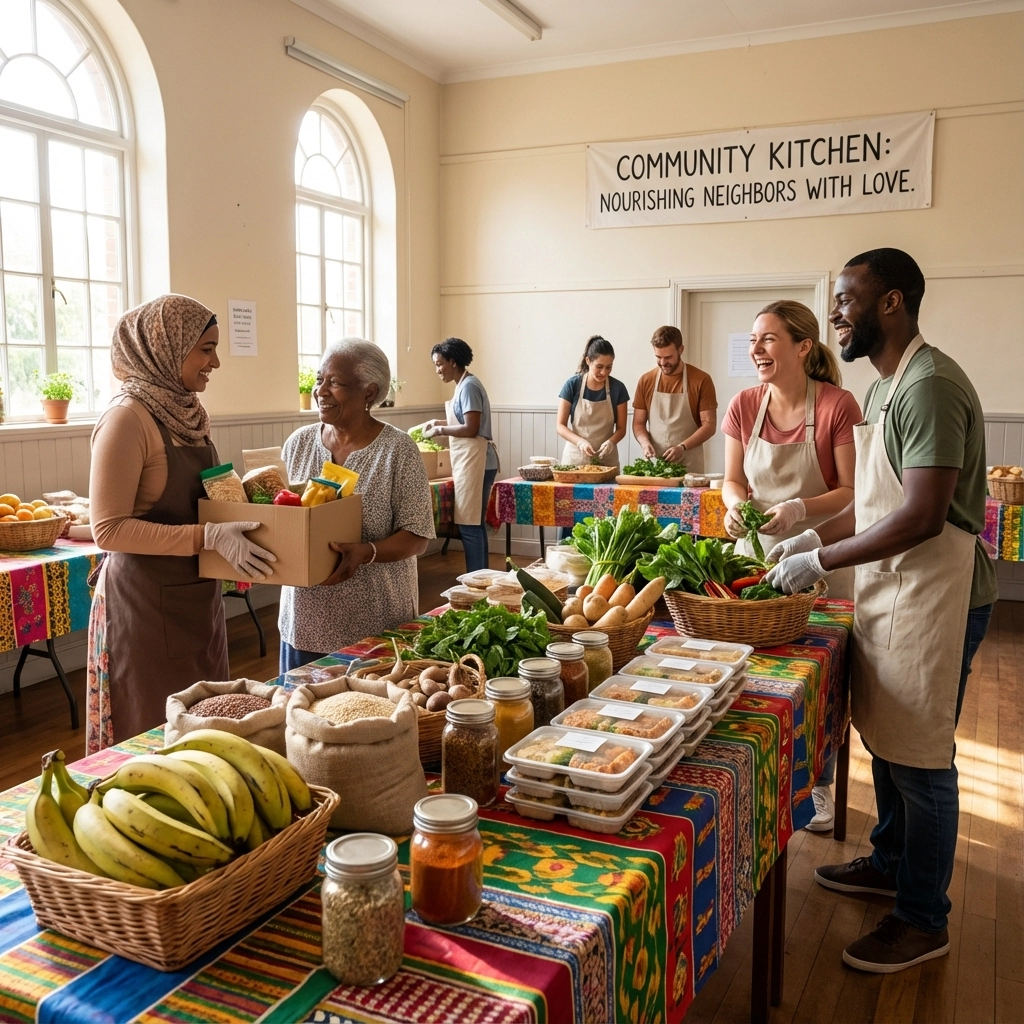
Don't feel pressured to abandon your food traditions – instead, think of exploring local foods as adding to your culinary repertoire while honoring your heritage.
Seasonal Considerations
Edmonton's climate affects food availability and pricing differently than many newcomers expect. Root vegetables and preserved foods become more prominent during long winters, while summer brings incredible fresh produce from local farms.
Many cultural communities adapt their traditional recipes to incorporate local seasonal ingredients. Ethiopian families might use local vegetables in their traditional stews, while Caribbean cooks experiment with Alberta-grown herbs and vegetables. This adaptation doesn't dilute your food culture – it enriches it.
Making Edmonton Feel Like Home
Creating a sense of home in a new city often starts in the kitchen. When you can prepare familiar meals for your family, you maintain important cultural connections while building new memories in your Edmonton home.
Remember that finding culturally appropriate food is about more than just ingredients – it's about maintaining your identity, caring for your family's wellbeing, and staying connected to your heritage. Edmonton's diverse food landscape makes this not just possible, but celebrated.
Your food traditions contribute to Edmonton's ongoing story of cultural richness. Every time you cook a traditional meal, shop at an ethnic market, or share your cuisine with neighbors, you're participating in the multicultural tapestry that makes this city special.
Whether you need community food support or simply want to explore Edmonton's incredible diversity of culturally appropriate food options, know that resources exist to help you maintain your food traditions while building your new life in this welcoming city.


