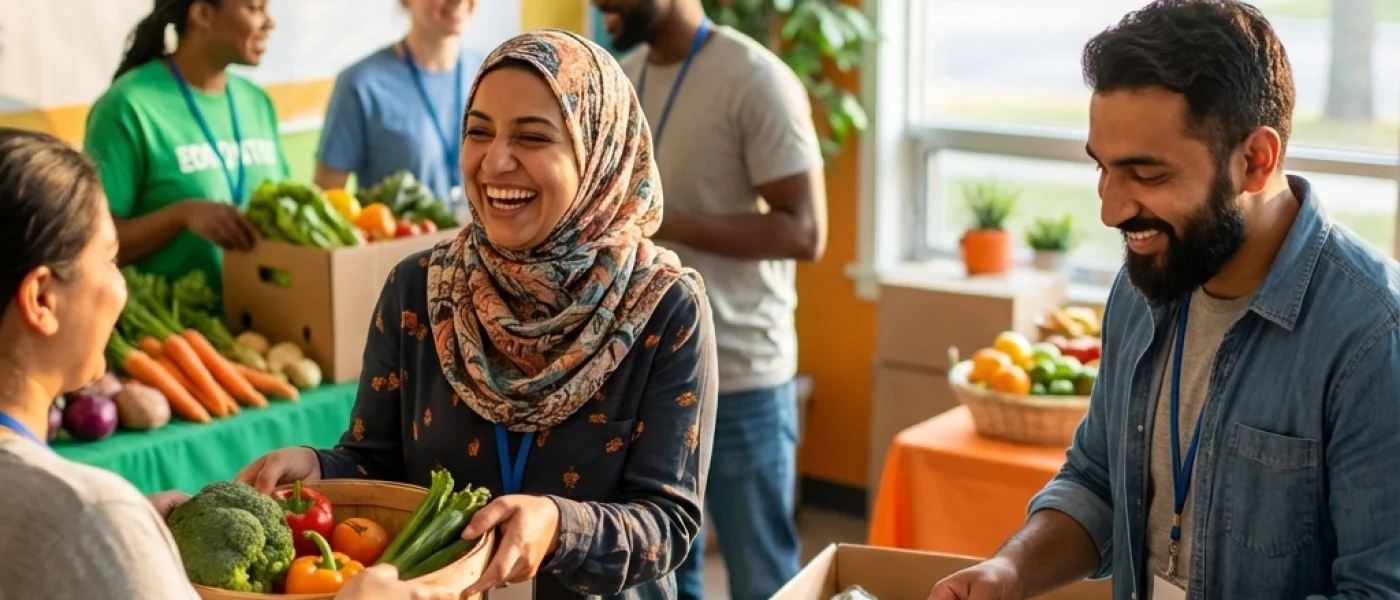
When you're facing food insecurity, finding help shouldn't mean sacrificing your cultural identity. Yet many Edmonton families from Afro-Caribbean, Indigenous, and other diverse communities discover that traditional food banks, while well-intentioned, don't always meet their specific needs.
Over 43,000 people access Edmonton's food bank network monthly, but how many of them receive foods that truly nourish their cultural connections and dietary requirements? If you're searching for food support that honors your heritage while addressing your hunger, here are ten essential things you need to know about culturally appropriate food assistance in Edmonton.
1. Your Cultural Food Preferences Aren't "Picky" – They're Essential
Imagine opening a food hamper and finding ingredients that could actually create the meals your family recognizes and loves. This isn't about being choosy; it's about dignity, nutrition, and maintaining cultural connections during difficult times.
Traditional food banks typically stock shelf-stable items like pasta, canned vegetables, and bread. While these foods prevent hunger, they often leave families from diverse backgrounds struggling to create meaningful meals. When you can access yam flour, plantains, rice and peas, or traditional spices, you're not just feeding your body – you're feeding your soul.
The key insight: Culturally appropriate food isn't a luxury. It's a fundamental part of maintaining your family's well-being, especially during challenging times when cultural connections become even more important for emotional resilience.
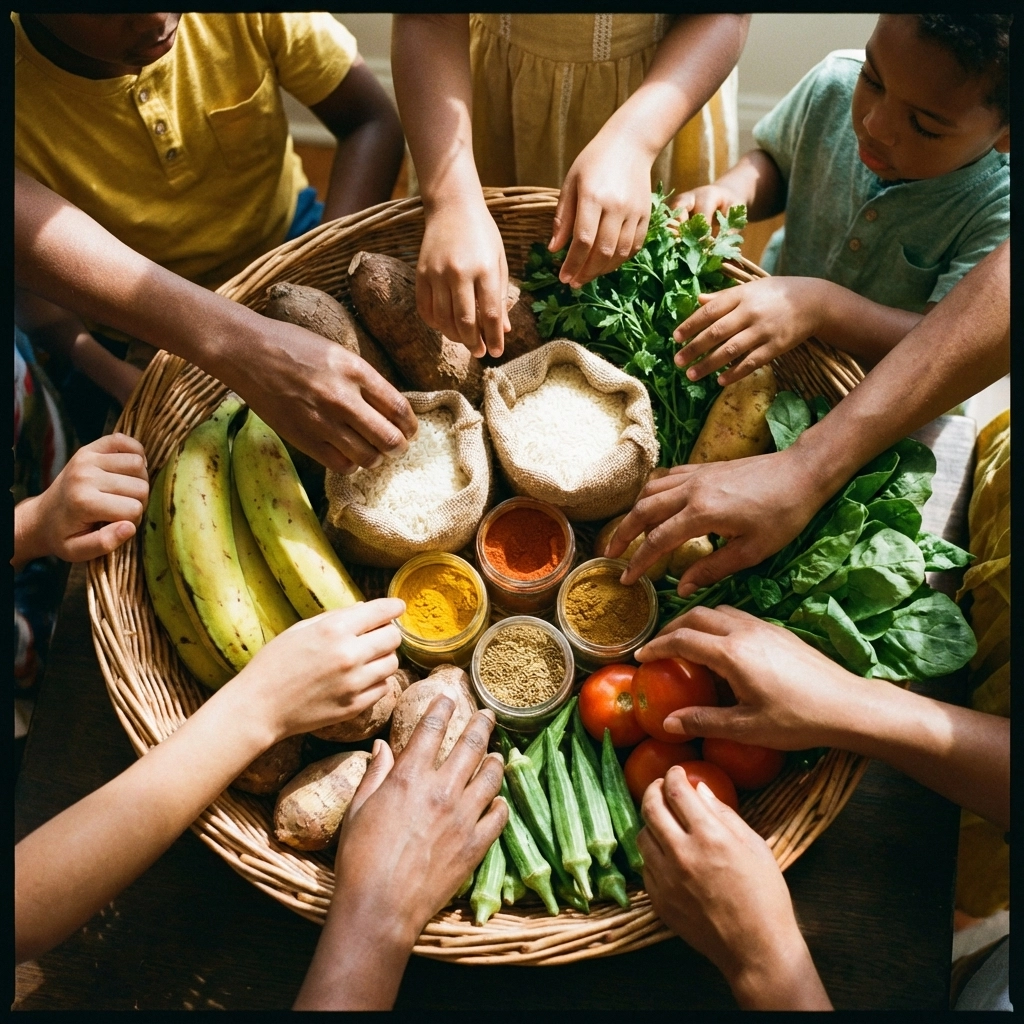
2. Most Food Banks Operate on a One-Size-Fits-All Model
Here's what most people don't realize: the majority of Edmonton's food banks, including Edmonton's Food Bank which operates Monday to Friday from 8:30 am to 4:30 pm, use standardized distribution models. You receive pre-packed hampers based on family size, not cultural background or dietary needs.
This system works efficiently but creates challenges when you need specific ingredients for traditional cooking methods. How do you make Jollof Rice with minute rice and generic seasoning? Can you prepare proper Callaloo without the right greens?
Progressive food banks now offer choice-based models where you select items that work for your family. Bethel Food Pantry in the Alberta Ave area exemplifies this approach, operating Mondays from 3:00-5:00 pm at Edmonton Bethel Gospel Chapel, allowing community members to choose what they actually need.
3. Language Barriers Can Block Access to Available Services
Curious about how language impacts your ability to access food support? Even when culturally appropriate foods are available, communication barriers can prevent you from knowing about these options or expressing your specific needs.
Many food banks now recognize this challenge. Islamic Family and Social Services Association offers an Essential Care Program with a dedicated helpline at 780-900-2777, providing support in multiple languages. When staff understand your language, they can better understand your dietary requirements, cooking methods, and cultural considerations.
Pro tip: Don't hesitate to ask if translation services are available or if staff members speak your language. Many organizations are working to become more culturally competent.
4. Community Connection Matters as Much as the Food Itself
Food banks that understand cultural appropriateness recognize that you're not just seeking calories – you're maintaining community connections. When you access support from organizations that serve your cultural community, you often gain more than groceries.
The Jewish Senior Citizen's Centre at 10052 117 Street provides Kosher Dairy Meals, but they also create spaces where community members can maintain cultural and religious connections. Similarly, organizations serving Afro-Caribbean communities understand that food distribution becomes an opportunity for cultural sharing, recipe exchanges, and community support networks.
These connections become especially vital for newcomers and isolated community members who need both nutritional and social nourishment.
5. Traditional Cooking Methods Require Specific Ingredients
Most people think any protein or starch will work for any recipe. This assumption breaks down when you consider traditional cooking methods that require specific ingredients to work properly.
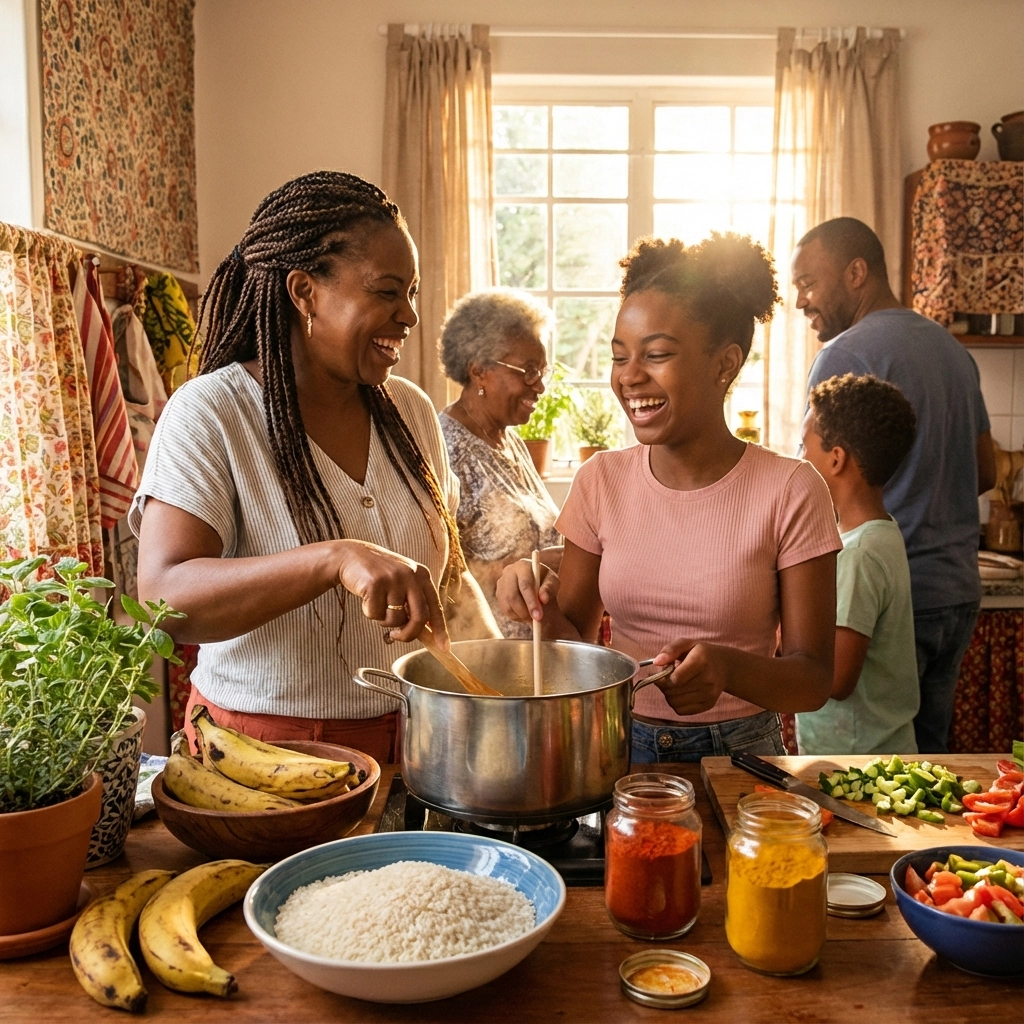
Take plantains, for example. You can't substitute bananas in recipes that call for green plantains to be fried or boiled. Cassava flour behaves completely differently than wheat flour in traditional baking. Palm oil provides flavors and cooking properties that vegetable oil simply cannot replicate.
Here's how this impacts your food security: When food banks stock culturally appropriate ingredients, you can stretch those groceries further because you know how to use them effectively. Your traditional recipes often use techniques that maximize flavor and nutrition from fewer ingredients – but only when you have access to the right starting materials.
Organizations like Afro-Caribbean Food Bank specifically focus on providing ingredients that work with traditional cooking methods, understanding that cultural competency in food distribution requires knowledge of how ingredients actually get used in different cultural contexts.
6. Religious and Spiritual Food Considerations Go Beyond Basic Dietary Laws
When you're navigating food insecurity while maintaining religious or spiritual practices, you need more than just halal or kosher options. You need food banks that understand the deeper connections between food and spiritual well-being in your cultural context.
Some Indigenous communities have specific protocols around certain foods and preparation methods. Caribbean communities might have spiritual practices connected to food preparation and sharing. These considerations don't make you difficult – they make you human, with complex cultural and spiritual needs that deserve respect.
Food banks with cultural competency train their staff to ask respectful questions about these needs rather than making assumptions or dismissing them as preferences.
7. Children Need Familiar Foods to Thrive at School and Home
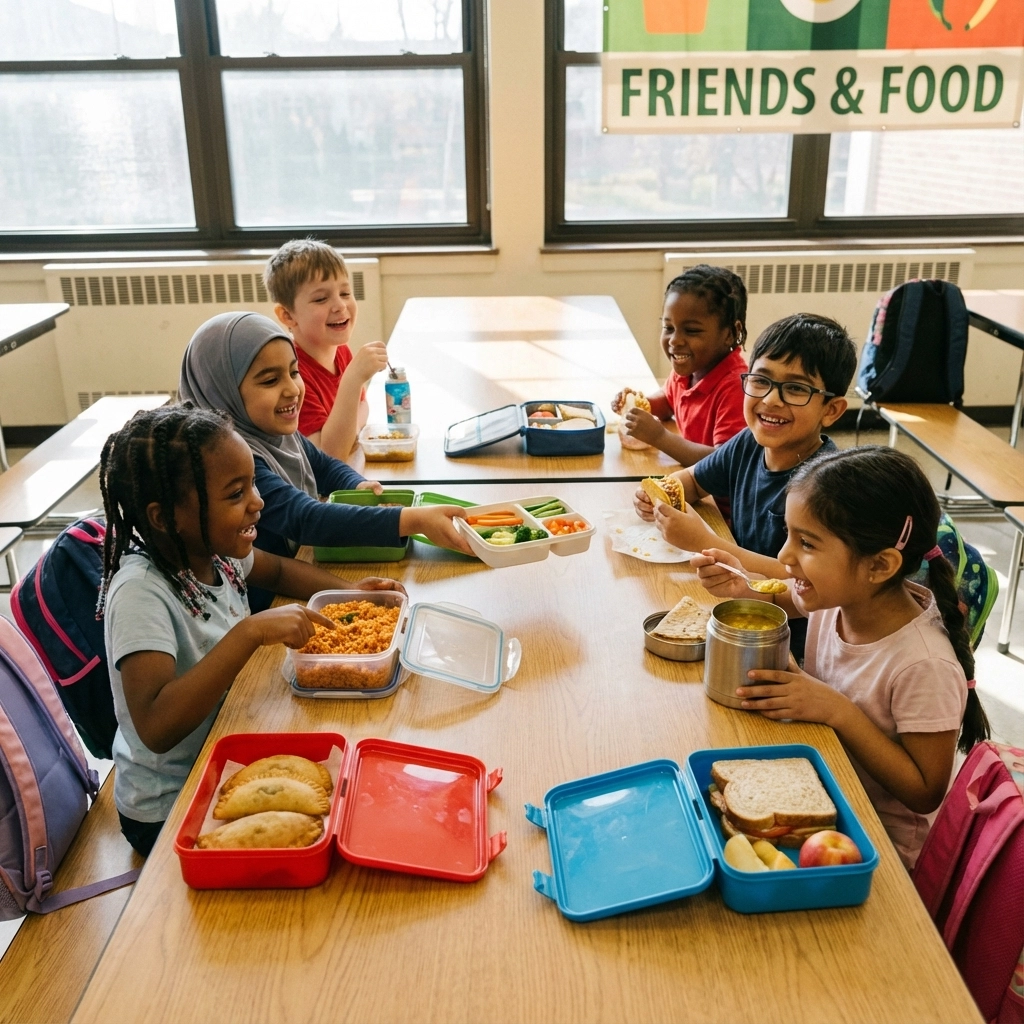
Imagine your child opening their lunch at school and feeling confident about the food inside. When families access culturally appropriate food support, children don't have to choose between eating and maintaining their cultural identity.
Kids who eat familiar foods at home often perform better academically and socially. They're not spending energy feeling embarrassed about "different" foods or trying to explain their family's eating patterns to classmates. They're simply nourished – physically and emotionally.
Campus Food Bank at the University of Alberta, with locations at the Rutherford Library and Students' Union Building, recognizes that students from diverse backgrounds need access to foods that support their academic success while honoring their cultural identities.
8. Newcomers Face Unique Challenges Beyond Language
Fresh immigrants and refugees often navigate complex challenges when accessing food support. You might not know where to shop for familiar ingredients, how Canadian food labeling works, or which local alternatives exist for ingredients from your home country.
Culturally competent food banks provide more than groceries – they offer navigation support. They might connect you with grocery stores that carry international foods, explain Canadian food safety and labeling systems, or introduce you to local versions of familiar ingredients.
Spirit of Hope United Church at 7909 82 Avenue NW offers drop-in grocery hampers on Saturdays from 8:00-9:30 am, creating low-barrier access that particularly benefits newcomers who might feel intimidated by formal application processes.
9. Cultural Competency in Staff and Volunteers Makes a Real Difference
When food bank staff understand your cultural background, the entire experience changes. Instead of explaining why you can't use certain ingredients or why you need specific items, you can focus on getting the support you need.
Culturally competent staff know to ask about dietary restrictions, cooking methods, and family preferences in ways that feel respectful rather than intrusive. They understand that food choices connect to identity, health, and cultural preservation.
The impact: You leave feeling dignified and supported rather than judged or misunderstood. This emotional component of food access significantly affects whether families continue seeking support when they need it.
10. Finding and Accessing Culturally Appropriate Support in Edmonton
Ready to access food support that honors your cultural needs? Start by researching organizations that specifically serve your community or demonstrate cultural competency.
Direct action steps:
- Contact 211 Alberta for searchable resource lists specific to your area
- Call Edmonton's Food Bank client services line at 780-425-4190 to ask about cultural food options
- Connect with community-specific organizations like Islamic Family and Social Services Association
- Look for choice-based food banks rather than pre-packed hamper systems
Innovative approaches to food security are emerging across Edmonton, with organizations recognizing that effective food support must be culturally responsive.
Most services require no paperwork or proof of need – the main barrier is often knowing these options exist and feeling comfortable accessing them.
Your Cultural Identity Deserves Respect in Food Security
Food insecurity affects all communities, but the solutions don't have to be one-size-fits-all. When you access culturally appropriate food support, you're not asking for special treatment – you're asking for effective support that recognizes your full humanity.
Edmonton's food security landscape is evolving, with more organizations understanding that culturally relevant food programs create better outcomes for everyone involved. You deserve food support that nourishes your body while honoring your heritage, traditions, and identity.
Whether you're a long-time Edmonton resident or a newcomer, remember that seeking culturally appropriate food support isn't demanding – it's advocating for your family's complete well-being during challenging times.