
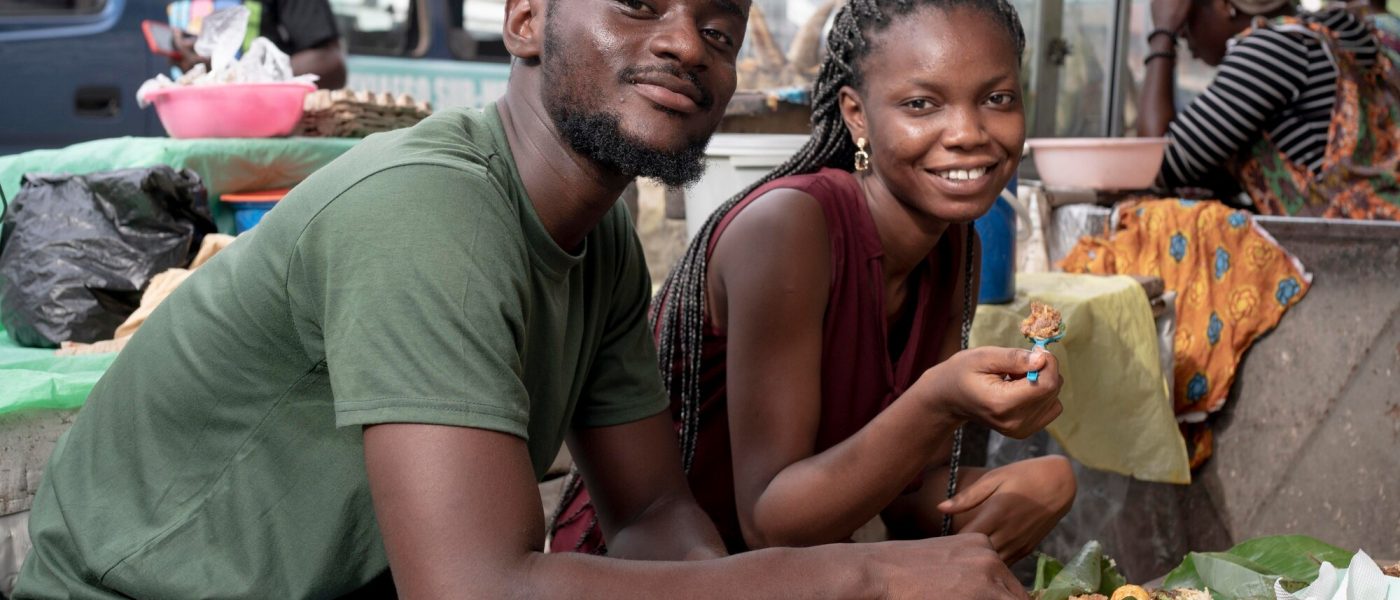
Understanding Food Insecurity in Indigenous and Afro-Caribbean Populations: A Call to Action
Food insecurity hits Indigenous populations and Afro-Caribbean communities in ways most don’t see. When access to culturally significant foods disappears, it’s more than hunger; it’s a loss of identity and comfort. You’ll learn how this challenge affects families in Edmonton and how community support through the Afro-Caribbean Food Bank can make a real difference. Learn more.
Unique Challenges of Food Insecurity
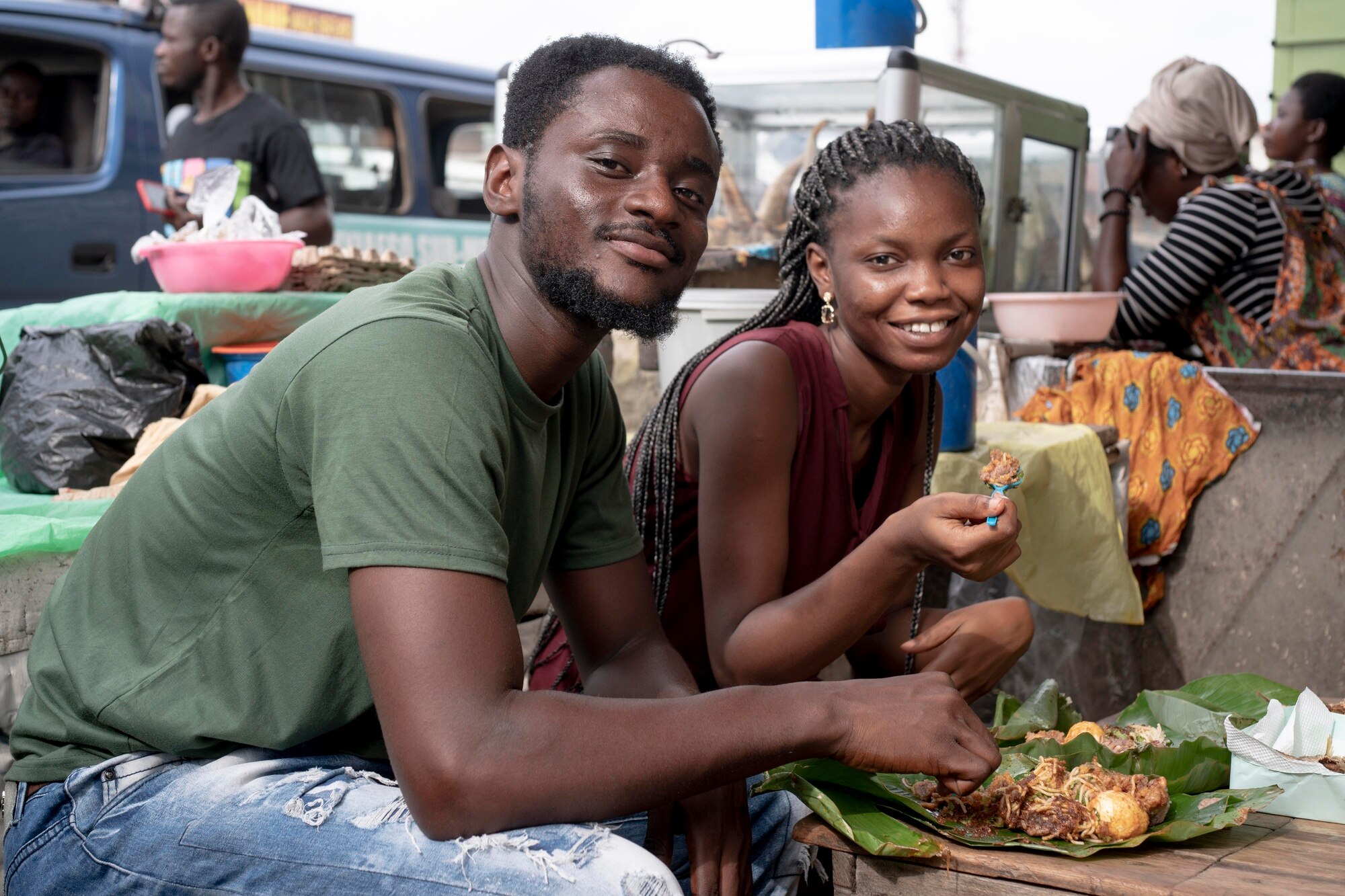
In Edmonton, food insecurity presents unique challenges for Indigenous and Afro-Caribbean communities. These challenges extend beyond hunger, affecting identity and cultural ties.
Impact on Indigenous Populations
For Indigenous populations, food is deeply linked to culture and history. Losing access to traditional foods is like losing a piece of their heritage. Many Indigenous families rely on specific ingredients for their meals, which are not always available at local food banks. This lack leads to food that doesn’t feel familiar or comforting. It’s not just about nourishment; it’s about maintaining cultural connections.
Imagine growing up with certain foods that carry stories and traditions, only to find them missing in your community. Without access to these foods, there is a tangible loss of tradition and identity. Forty percent of Indigenous families in Edmonton face this reality. The Afro-Caribbean Food Bank steps in to fill this gap, offering culturally significant foods that help maintain those vital connections. You can find out more about the importance of traditional foods.
Afro-Caribbean Communities’ Struggles
Afro-Caribbean communities face similar struggles. Traditional foods are more than just meals; they embody memories and familial bonds. When these foods are scarce, it creates a sense of cultural dislocation. Many families come to Edmonton seeking better opportunities but find themselves distanced from their culinary roots.
The Afro-Caribbean Food Bank works to bridge this gap. By providing staples like yam flour and red beans, families can maintain their cultural heritage. This effort is crucial as it supports community resilience and identity. Sixty percent of Afro-Caribbean families in Edmonton depend on these culturally significant foods for both daily life and special occasions. Read about food security challenges.
Importance of Culturally Significant Foods
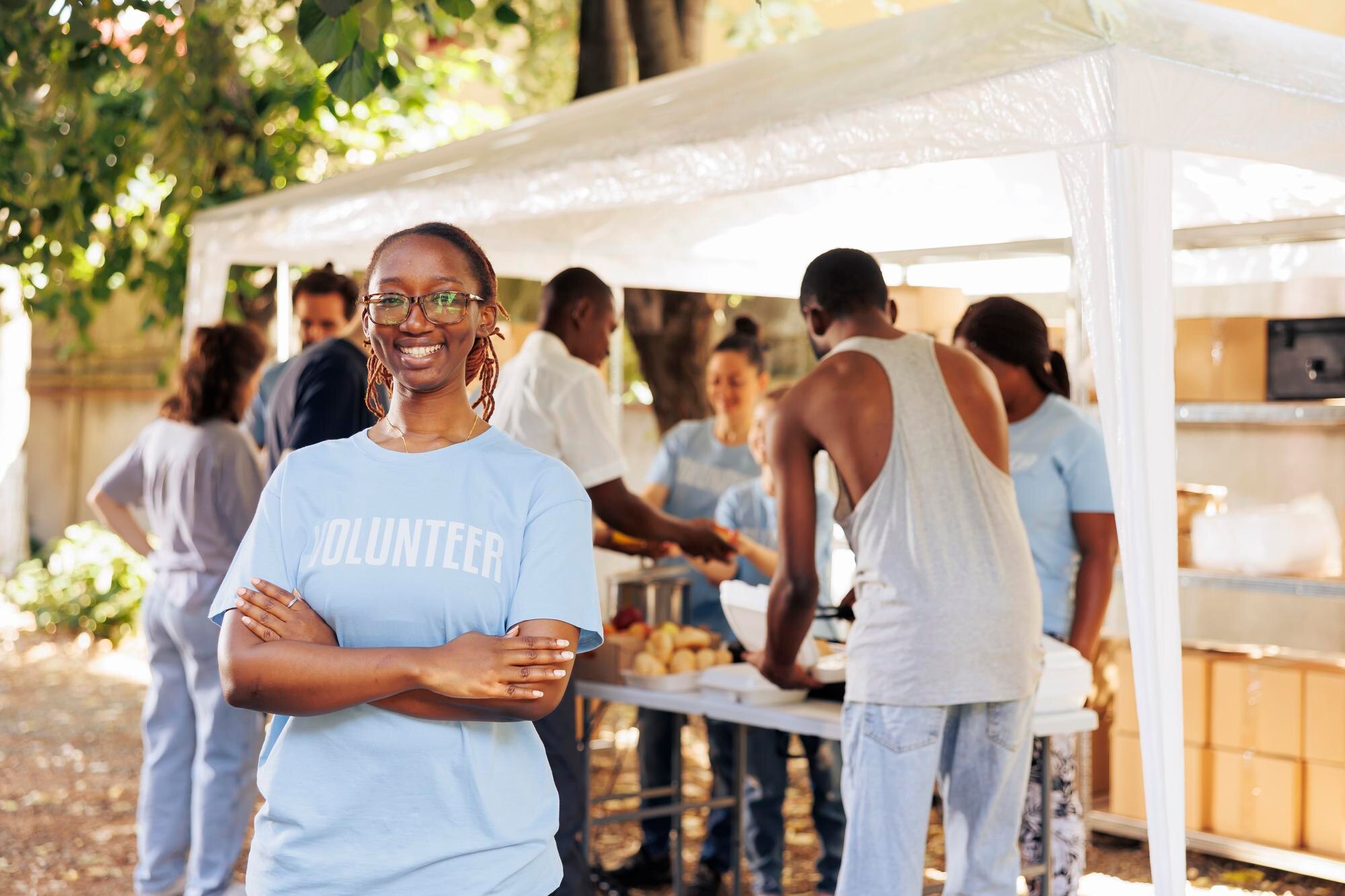
Culturally significant foods play a vital role in maintaining identity and health. They are not just about sustenance but about preserving tradition and promoting well-being.
Connection to Identity and Tradition
Food connects us to our roots. It’s a bridge to our ancestors and a way to pass down stories. For Indigenous and Afro-Caribbean people, traditional foods are part of every celebration and family gathering. Losing these foods means losing a way to teach younger generations about their culture.
Imagine a family gathering with no familiar dishes; it feels incomplete. The Afro-Caribbean Food Bank understands this connection. Their mission is to ensure that no one feels this cultural void. They provide food that tells stories and strengthens community ties, helping families keep traditions alive. Explore the cultural significance of traditional foods.
Nutrition and Health Benefits
Traditional foods aren’t just culturally important; they’re also nutritious. Many of these foods are rich in vitamins and nutrients essential for good health. For instance, yam is a great source of vitamin C, while red beans provide protein and fiber. These foods support not only cultural identity but also physical health.
Access to these foods can improve overall well-being and reduce the risk of diet-related diseases. The Afro-Caribbean Food Bank prioritizes these foods to ensure families have access to healthier options. This focus helps combat food insecurity by offering nutritious alternatives that respect cultural preferences. Learn more about food security in the region.
Community Support and Involvement
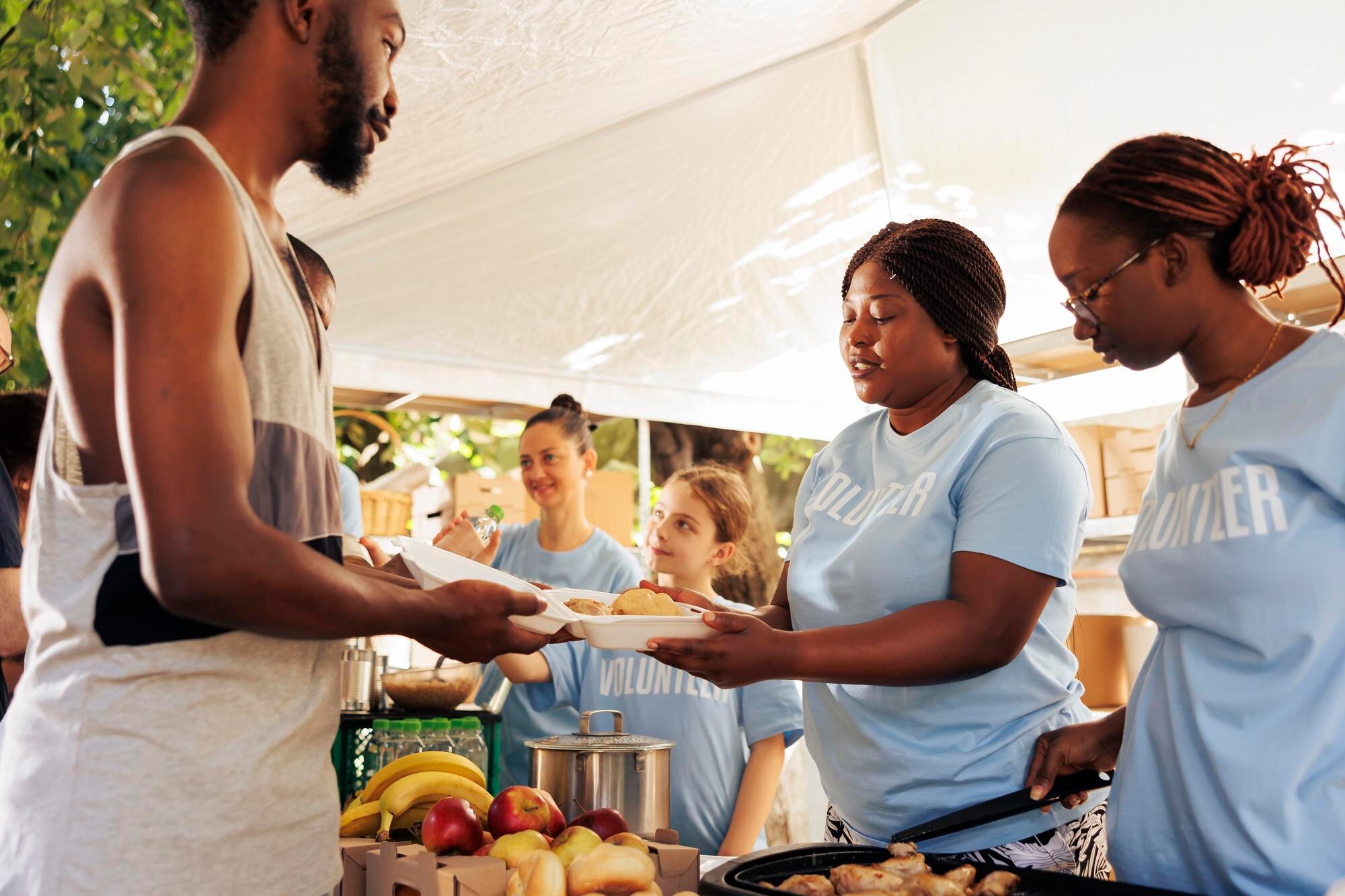
Community support plays a crucial role in tackling food insecurity. By coming together, we can ensure that culturally significant foods remain available to those who need them most.
Role of the Afro-Caribbean Food Bank
The Afro-Caribbean Food Bank serves as a lifeline for many families in Edmonton. They offer more than just food; they provide hope and a sense of belonging. By distributing Afro-Caribbean staples, the food bank helps maintain cultural traditions and improve community health. Their efforts ensure that food security aligns with cultural identity.
Partnering with local organizations and volunteers, they expand their reach and impact. This collaboration is essential for building a resilient community. Each meal distributed is a step toward preserving cultural heritage and supporting those in need. Discover how you can support their mission and make a difference in your community today.
How You Can Help
Supporting food security in your community is easier than you might think. You can volunteer your time, donate funds, or spread the word about the Afro-Caribbean Food Bank’s mission. Every small action contributes to a larger change.
Here’s the key insight: By getting involved, you help ensure that culturally significant foods remain accessible. This support uplifts individuals and fosters a stronger, more united community. The longer you wait, the more disconnected you become, so act now to help bridge the gap and preserve cultural traditions. Let’s make a change together.


