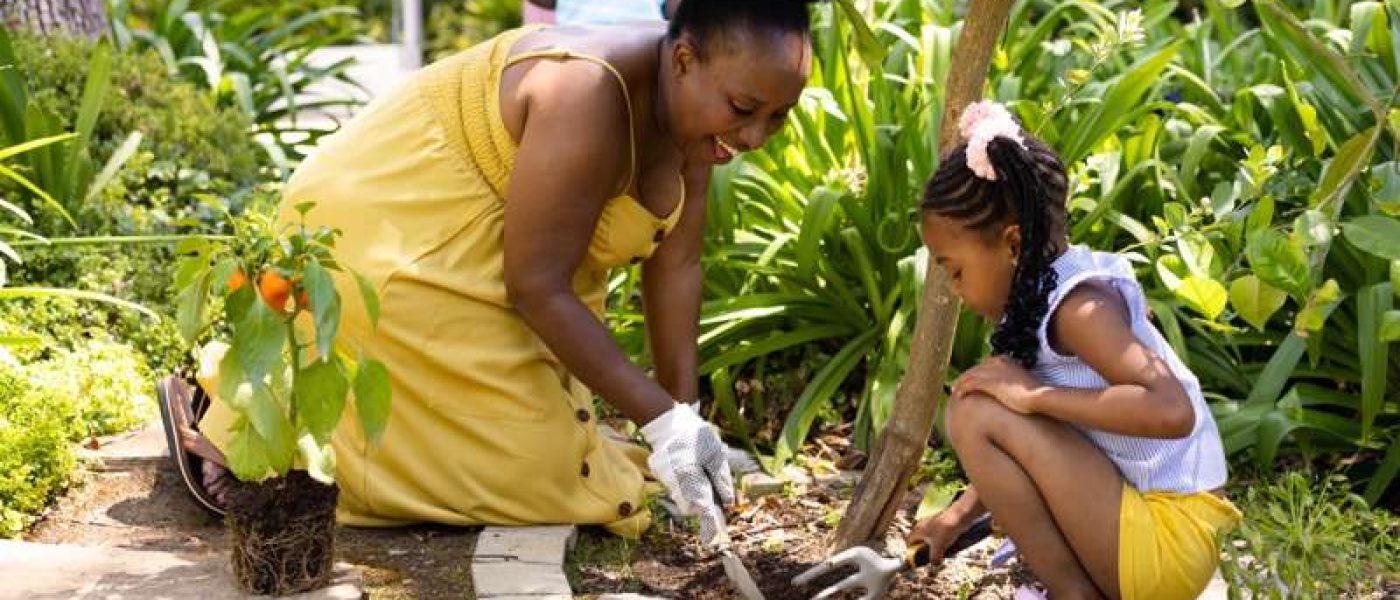
Cultivating Hope: How Community Gardens Empower Food Sovereignty
Community gardens have become lifelines for many struggling to find reliable access to culturally meaningful foods. When you grow your own Afro-Caribbean foods in these shared spaces, you’re not just planting seeds you’re reclaiming food sovereignty and honoring cultural heritage. This post shows how sustainable gardening in community gardens builds food security and strengthens bonds within your neighborhood. For more insights, explore this resource on cultivating food sovereignty in your home garden.
Benefits of Community Gardens
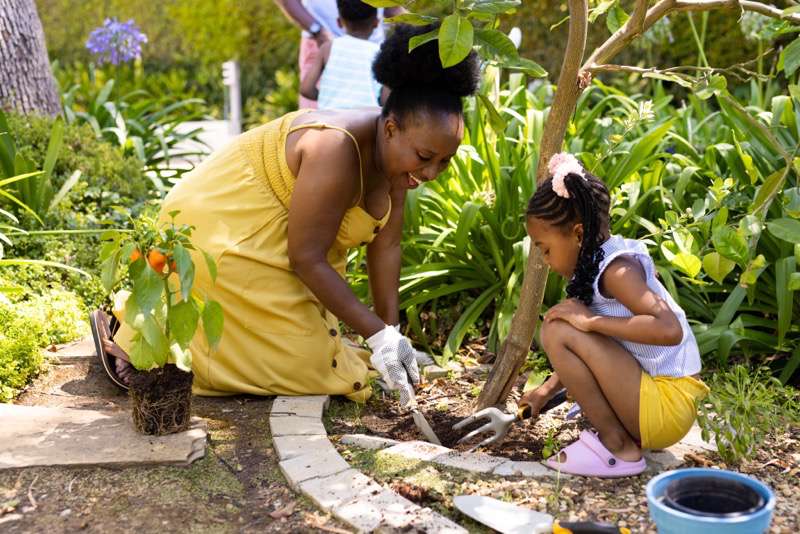
Let’s dive into the heart of community gardens and explore the profound benefits they bring. Every seed planted in these gardens has the potential to nurture not only plants but also the very soul of the community.
Enhancing Food Sovereignty
Food sovereignty starts from the ground up. When you plant and harvest your own produce, you gain control over what you consume. This empowerment is vital because it allows you to make choices that reflect your cultural preferences and dietary needs. Community gardens offer you this power and give you a chance to reconnect with nature and tradition. It’s more than just gardening it’s about reclaiming the right to healthy, culturally relevant food.
By growing Afro-Caribbean foods, you preserve culinary traditions and ensure these flavors are passed down through generations. This practice is a living testament to cultural resilience. It connects you to your roots and binds communities together through shared heritage. As you nurture your garden, you’re also nurturing a legacy of cultural identity and pride.
Strengthening Cultural Heritage
Community gardens are living museums of cultural heritage. They allow you to keep Afro-Caribbean traditions alive through the cultivation of traditional crops. Imagine the joy of seeing familiar plants grow and the satisfaction of sharing them with others. This is more than food it’s a celebration of identity.
These gardens become places where stories are shared and connections are made. When you participate, you join a vibrant tapestry of cultural exchange, where each plant tells a story of history and community. You become a part of a movement that values the past while nurturing the future.
Building Food Security
Community gardens play a crucial role in addressing food security. They provide a reliable source of fresh produce that meets the specific dietary needs of Afro-Caribbean communities. This access is essential, especially in areas where such foods are hard to come by. By participating, you help create a safety net that supports everyone.
Think of community gardens as a grassroots solution to food insecurity. They empower individuals and families to rely less on external sources and more on their own ability to provide. This shift is transformative, as it builds self-reliance and reduces dependency. Explore how gardens foster community resilience by learning from experts.
Implementing Sustainable Gardening
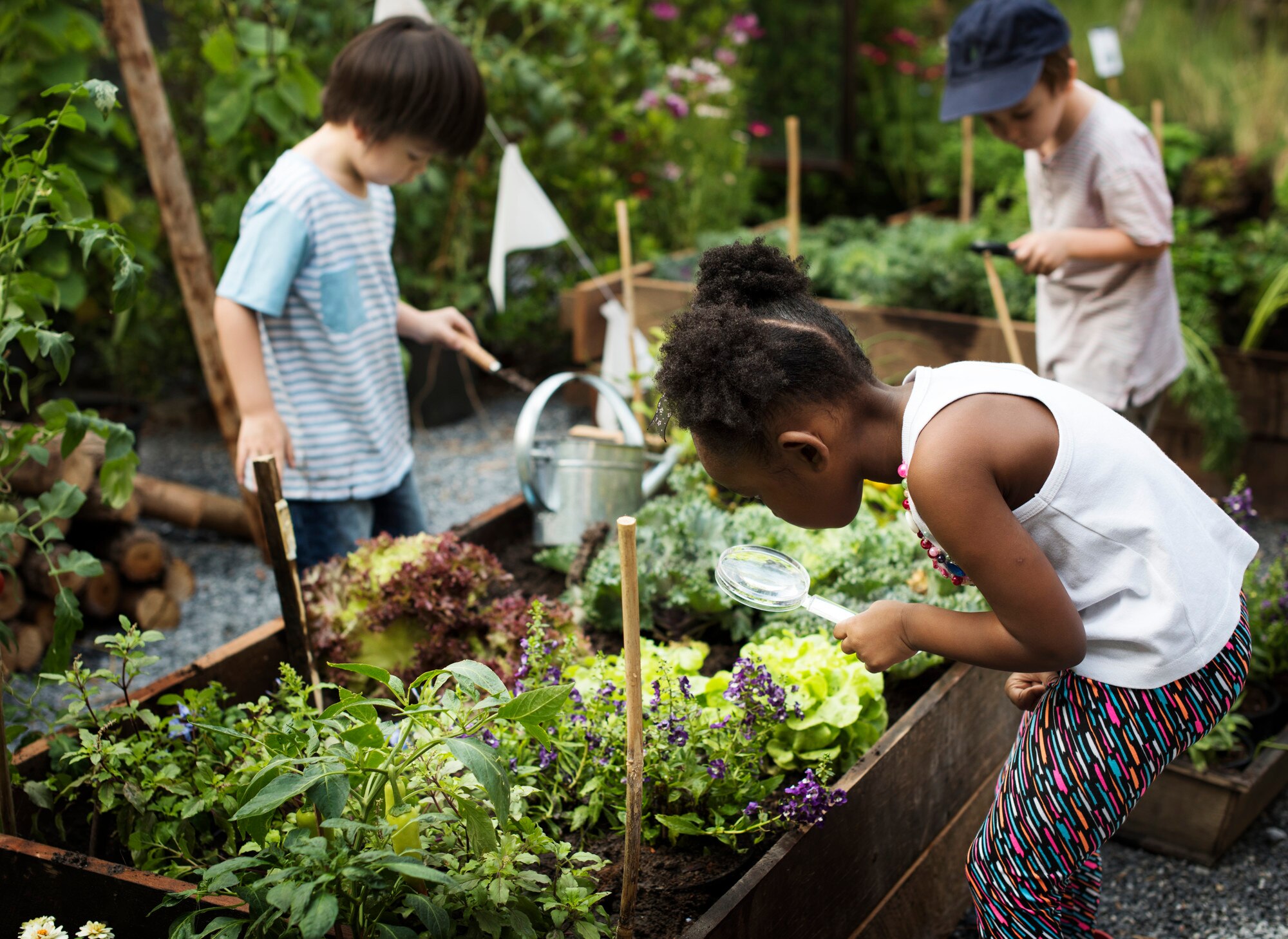
To reap the benefits of community gardens, sustainable practices are key. Let’s explore how you can contribute to a thriving, eco-friendly garden that benefits everyone involved.
Engaging Community Members
The success of a community garden lies in its people. Engaging members from diverse backgrounds creates a rich tapestry of knowledge and experience. When you join forces with others, you share skills and ideas that enhance the garden’s productivity and sustainability. This collaboration strengthens bonds and fosters a sense of belonging.
Your participation matters. Whether you’re planting, watering, or sharing gardening tips, each action contributes to a collective effort. This engagement transforms the garden into a space where everyone feels valued and connected. It’s about more than growing food; it’s about growing relationships that support the entire community.
Growing Afro-Caribbean Foods
Cultivating Afro-Caribbean foods in community gardens is a powerful way to preserve cultural traditions. These plants are more than just ingredients; they are a link to your heritage and identity. Imagine the pride in harvesting okra, callaloo, or scotch bonnet peppers from your own garden it’s a taste of home.
By growing these crops, you ensure that future generations have access to foods that are integral to their cultural experience. This practice also educates others about the importance of cultural diversity in food production. Take this opportunity to introduce neighbors to new flavors and cooking techniques, enriching the community’s culinary landscape.
Encouraging Nutritional Education
Community gardens are perfect classrooms for nutritional education. They give you hands-on experience with growing and preparing healthy foods. This knowledge is empowering, as it enables you to make informed decisions about your diet and well-being. Read more about how community gardens foster resistance and education.
When you learn about the nutritional benefits of Afro-Caribbean foods, you gain insights into how to incorporate them into a balanced diet. This education is crucial for promoting healthier lifestyles and preventing diet-related diseases. Share your learning with others to create a ripple effect of positive change throughout the community.
Supporting the Community
Community gardens thrive with collective effort. Let’s explore how you can support these spaces and contribute to their continued success and growth.
Volunteering Opportunities
Volunteering in a community garden is a rewarding way to give back. Your time and effort help maintain the garden and its resources, ensuring it remains a vibrant place for all. Whether you have a green thumb or are just starting, there’s a role for you. Volunteering not only enriches the garden but also enriches your own skills and connections.
By volunteering, you become part of a network of like-minded individuals who share a passion for sustainability and cultural preservation. This sense of community is invaluable, offering you friendships and experiences that extend beyond the garden’s borders.
Donating to the Cause
Financial support is crucial for the upkeep and expansion of community gardens. Donations help purchase seeds, tools, and materials that keep the garden flourishing. Give what you can to ensure these gardens continue to serve as havens of food security and cultural connection.
Your contribution goes a long way in supporting initiatives that benefit the entire community. It helps maintain a space where everyone can access fresh, healthy produce, regardless of their economic circumstances. Consider it an investment in a sustainable future for all.
Joining the Movement 🌱
Becoming part of the community garden movement means embracing a commitment to sustainability, cultural heritage, and food security. Your involvement makes a difference, whether you’re planting seeds, spreading awareness, or advocating for more gardens in your area. The academic research supports the impact of community involvement.
Join hands with others who share your vision for a healthier, more connected world. Together, you can build a network of gardens that empower communities and celebrate diversity, creating a legacy for future generations.