Let's get real for a second. You're standing in the grocery store aisle, cart half-full, mentally calculating whether you can afford the yam flour and the palm oil this week. Sound familiar?
Here's the truth: the average Canadian household is spending roughly $994 more on groceries annually compared to just a few years ago. While 2026 predictions show inflation cooling to around 2-3%, the cumulative impact of price surges since 2022 means your grocery budget hasn't recovered. Beef and veal prices jumped 9.4% this year alone. The staples that connect you to home, plantains, scotch bonnets, cassava, aren't getting any cheaper.
But here's what we're not doing: sacrificing the flavors, traditions, and cultural identity that make meals meaningful. Your kitchen shouldn't have to choose between affordability and authenticity.
Whether you're a newcomer navigating Edmonton's food landscape or a long-time resident feeling the squeeze, these seven strategies will help you stretch every dollar without losing the soul of your meals.
1. Master the Art of Bulk Buying (Especially Spices and Grains)
You know that tiny jar of curry powder at the chain grocery store? The one that costs $8 for maybe three tablespoons? Yeah, we need to talk about that.
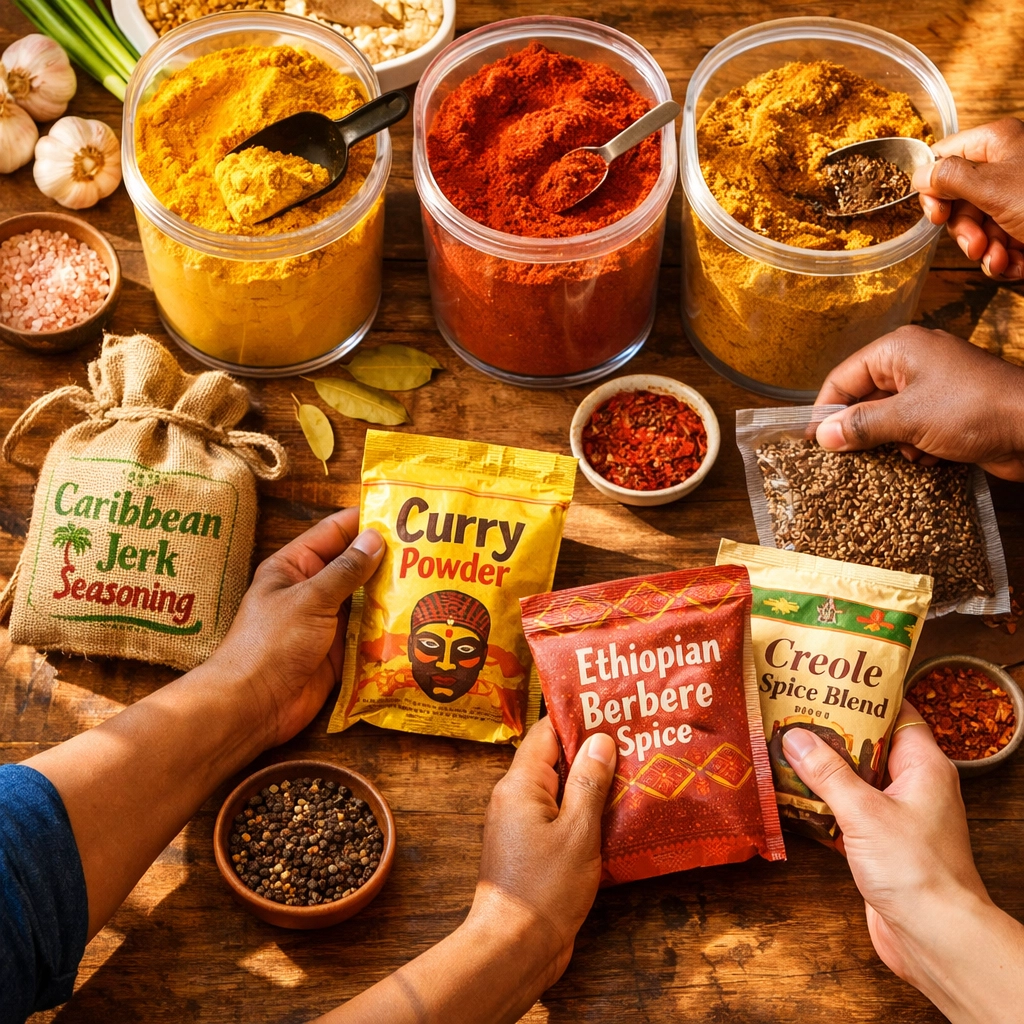
Head to Caribbean or African specialty markets in Edmonton: places like African Market or West Indian Groceries: and buy your spices in bulk bags. We're talking one-pound bags of cumin, turmeric, allspice, or curry powder for the same price as those overpriced tiny jars. Store them in airtight containers, and they'll last you months.
The same goes for rice, lentils, and beans. A 20-pound bag of basmati or jasmine rice from an Asian grocer will cost you significantly less per serving than buying multiple small bags from conventional stores. Split bulk purchases with family or neighbors if storage is tight.
Pro tip: Create your own spice blends at home. Mix your Jerk seasoning, berbere, or suya spice in batches. You control the flavor, the sodium, and the cost.
2. Build Relationships with Local Farmers and Growers
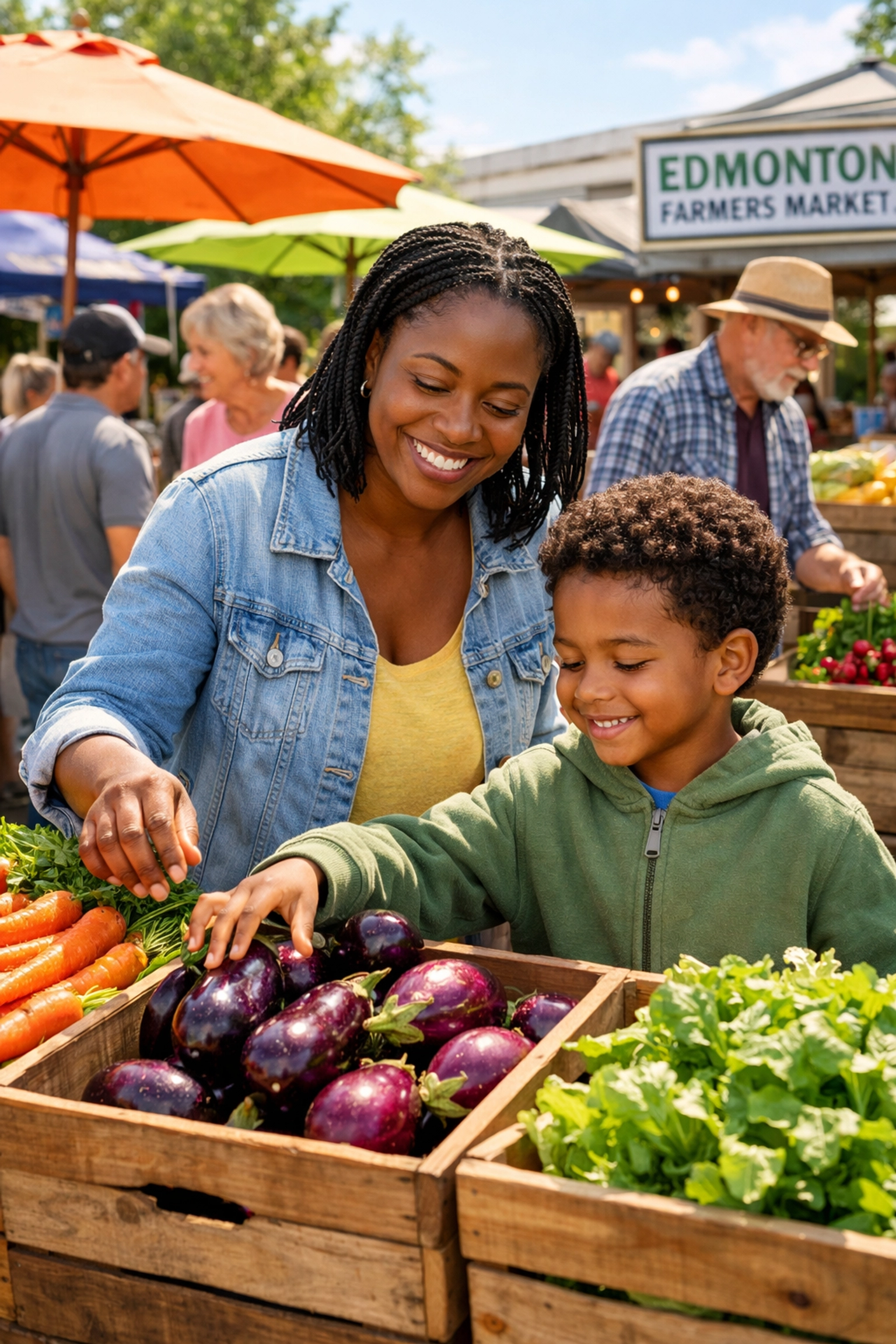
Curious about how you can access fresh produce without the markup? Edmonton's farmer's markets and community-supported agriculture (CSA) programs are goldmines for budget-conscious families.
Many local farms offer "ugly produce" boxes: perfectly good vegetables that don't meet grocery store aesthetic standards: at steep discounts. You'll get carrots, potatoes, squash, and greens for a fraction of retail prices.
Some Indigenous-led farms in the Edmonton area also grow traditional foods and are building connections with BIPOC communities. These partnerships aren't just about cheaper vegetables: they're about food sovereignty and cultural exchange.
3. Utilize the Afro-Caribbean Food Bank for Staples (So You Can Splurge on Culture)
Here's the shift in thinking we need: using the food bank isn't about giving up: it's about strategic resource allocation.
Let the Afro-Caribbean Food Bank cover your staples: rice, pasta, canned goods, bread, and proteins. That means your grocery budget can prioritize the culturally specific items that matter most: the green bananas, the okra, the scotch bonnet peppers, the cassava leaves.
We specifically stock items that reflect the diverse communities we serve. You'll find plantains, yams, and other culturally significant foods alongside traditional food bank offerings. This isn't generic charity: it's dignified support that respects who you are.
Think of it this way: If you save $80-$100 monthly on basics through the food bank, that's money freed up for the palm oil, the goat meat, the specific ingredients that make your family's recipes taste like home.
4. Grow What You Can (Even in Small Spaces)
You don't need a backyard to grow food. Seriously.
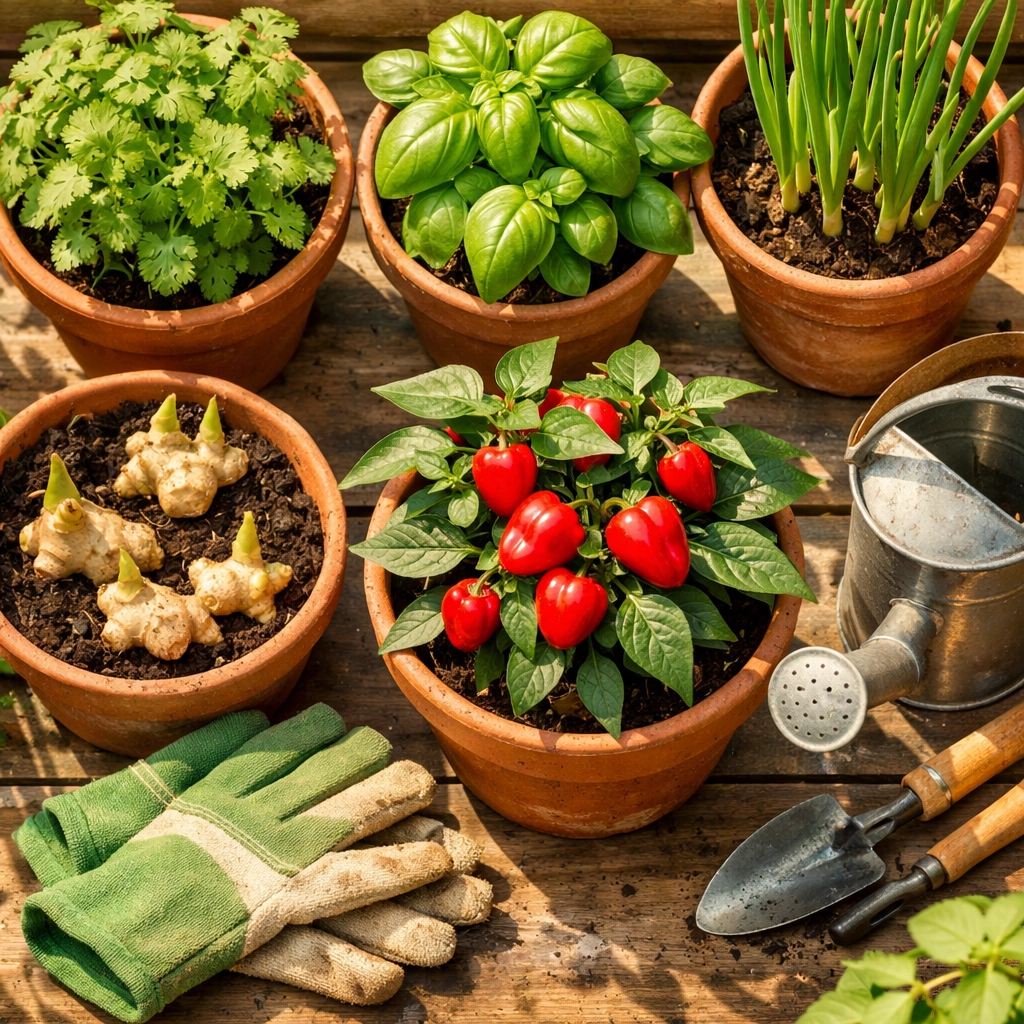
Herbs like cilantro, green onions, parsley, and basil thrive in windowsill pots. One scotch bonnet pepper plant in a container can yield dozens of peppers throughout the growing season. Imagine never paying $2 per pepper again.
Edmonton has several community gardens where you can rent a small plot for minimal cost. Some are specifically designed to support newcomer and BIPOC families with seeds, tools, and knowledge-sharing.
Start small: Green onions regrow endlessly in a cup of water on your counter. Ginger root from the grocery store will sprout in soil. These tiny victories add up to real savings.
5. Cook Once, Eat Twice (or Three Times)
Batch cooking isn't just a trend: it's a survival strategy that honors the way many of our grandmothers cooked anyway.
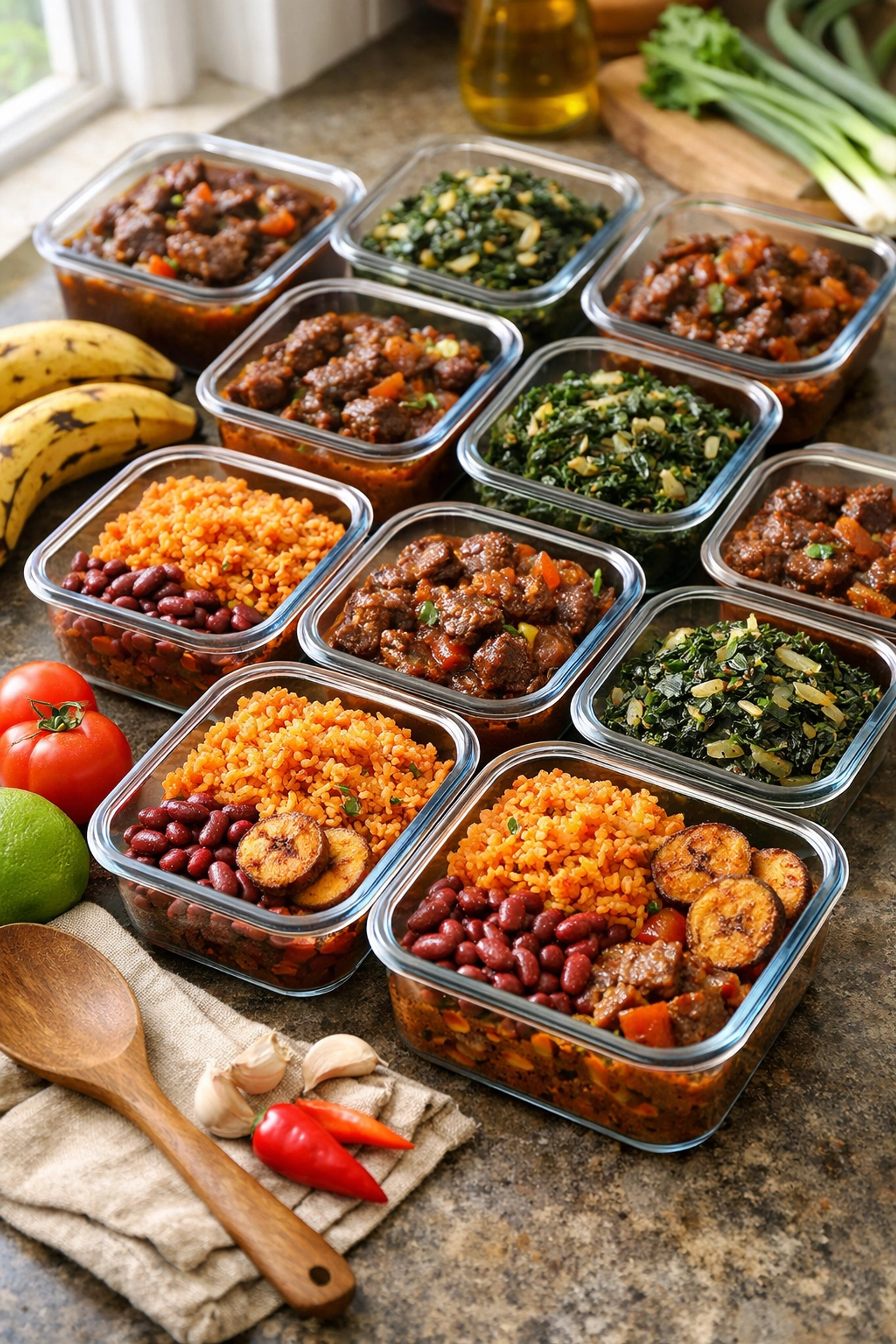
Make a huge pot of stew, soup, or curry on Sunday. Portion it into containers and freeze what you won't eat within three days. A big batch of Jollof rice, black bean stew, or Pelau can become five different meals throughout the week with simple additions: fried plantains one day, a fried egg another, fresh greens on the side for variety.
The math: Cooking in bulk reduces waste, minimizes energy costs (one long cooking session versus multiple short ones), and prevents the expensive trap of "nothing to eat" takeout runs.
Dried beans and lentils are your best friends here. They're incredibly cheap, culturally versatile, and protein-rich. Soak them overnight, cook a large batch, and you've got the foundation for dozens of meals.
6. Know Your Substitutions (Without Compromising Flavor)
Sometimes you can't find: or afford: the exact ingredient a recipe calls for. That's okay. Culinary creativity has always been born from necessity.
Can't find cassava leaves? Collard greens or spinach work beautifully in many stews. Fresh tomatoes too expensive? Canned tomatoes (especially the no-salt-added kind) are often cheaper and just as flavorful in cooked dishes. Coconut milk can be stretched by mixing full-fat canned coconut milk with water or using coconut milk powder.
The key: Understand the role each ingredient plays. Is it adding fat, acidity, heat, or texture? Once you know that, you can find affordable alternatives that keep the dish authentic to your palate.
7. Connect with Community Food-Sharing Networks
Edmonton's BIPOC communities have been doing this for generations: sharing abundance, splitting bulk purchases, trading ingredients, and looking out for one another.
Join local Facebook groups, WhatsApp communities, or neighborhood networks where people share grocery deals, surplus from their gardens, or coordinate bulk buying. Someone's overflowing zucchini plant is your free vegetable for the week.
Some communities organize "ingredient swaps" where families trade specialty items they bought too much of or can't use. Your extra bag of millet for someone's surplus plantains? That's the kind of economy that builds resilience.
Don't underestimate the power of asking: "Does anyone know where to find affordable okra?" often leads to crowdsourced wisdom about the best stores, timing, and deals.
The Bigger Picture: Your Food, Your Identity, Your Power
Rising grocery costs are real, and they hit hardest when you're already navigating systems not designed with your community in mind. But here's what the statistics don't capture: your resilience, creativity, and commitment to feeding your family with dignity.
Food is culture. The smell of thyme and pepper, the ritual of Sunday cooking, the way certain dishes connect you to grandparents you never met: these aren't luxuries to sacrifice when times get tight. They're essentials for your well-being.
The strategies above aren't just about saving money. They're about reclaiming power in a food system that often ignores BIPOC communities. They're about building networks of support that reflect our values of community care. They're about ensuring that the next generation grows up knowing the taste of their heritage.
At the Afro-Caribbean Food Bank, we believe food security and cultural identity go hand-in-hand. We're here not just to fill gaps, but to help you thrive: with full bellies and full hearts.
Your culture isn't negotiable. Your budget just needs a better strategy. And you've got this.