Imagine walking through your local grocery store in Edmonton, list in hand, ready to prepare a comforting pot of pounded yam and egusi soup. You reach for a single, sturdy tuber, only to see the price tag: $7.50. For one vegetable.
Most people think food insecurity is just about having enough calories, but for our community, it’s often about the "cultural food premium": the hidden extra tax you pay just to eat the foods that connect you to your ancestors, your heritage, and your home.
Have you ever wondered why a bag of potatoes costs less than a single yam? Or why palm oil and callaloo feel like luxury items instead of staples?
At the Afro-Caribbean Food Bank (ACFB), we aren't just looking at the price tags; we’re looking at the system that creates them. Here is why your grocery bill is higher than your neighbors': and how we are working together to bring those costs down.
The Math of Inequality: Yam vs. Potato
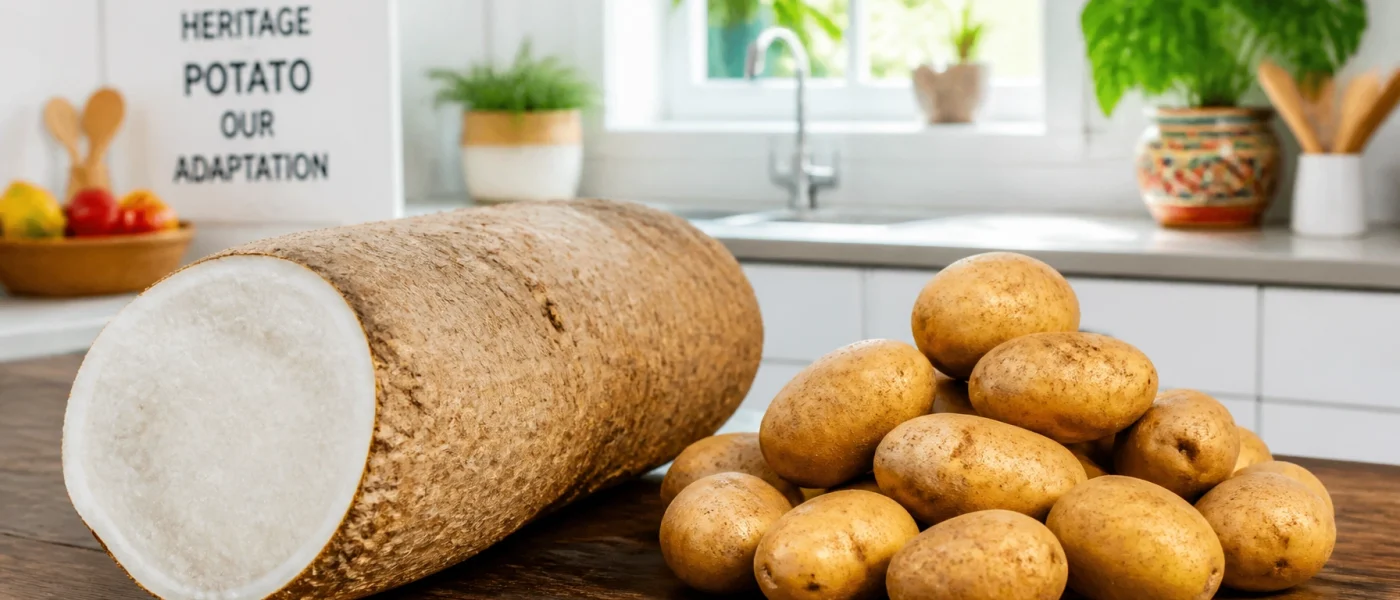
Let’s look at the hard numbers. In Edmonton, between 2024 and 2026, the price gap between mainstream Canadian staples and Afro-Caribbean staples has become a chasm.
Statistics that tell the story:
- Potatoes (Russet/Yellow): $1.00 – $3.00 per kg
- White/Yellow Yams: $11.00 – $19.00 per kg
- The Difference: You are paying up to 10 times more for a culturally significant starch than a mainstream one.
When a staple like a yam is priced like a luxury item, it isn't just an "expensive vegetable." It is a barrier to cultural identity. If you are a newcomer or a family on a tight budget, the choice between $2 potatoes and a $15 yam isn't really a choice at all: it's a forced abandonment of your culinary heritage.
Why Do Afro-Caribbean Groceries Cost So Much?
It’s easy to blame the local shop owner, but the reality is much more complex. The "cultural food premium" is built into the very structure of how food moves into Alberta.
1. Small-Volume Import Logistics
Mainstream grocery giants move food by the thousands of tons. They own the ships, the trucks, and the warehouses. In contrast, Afro-Caribbean foods like authentic gari, hard dough bread ingredients, or specific varieties of plantain are often handled by small-scale, specialized importers.
Because these importers move smaller volumes, they don't get the massive shipping discounts that big corporations do. Every bottle of palm oil or bag of yam flour carries the weight of higher per-unit shipping costs.

2. The "Niche" Markup
Most people think grocery stores treat all vegetables equally, but mainstream retailers often classify Afro-Caribbean ingredients as "specialty" or "ethnic" items. This means they are stocked in smaller quantities and marked up at higher percentages than "standard" produce.
3. Edmonton’s Cold Reality
Living in Edmonton means we are thousands of kilometers away from the tropical climates where these foods grow. During our long winters, the lack of local production means 100% of these cultural staples must be imported. When fuel prices rise or supply chains stutter, the $7 yam quickly becomes the $10 yam.
The Emotional Toll: Beyond the Receipt
Curious about how this affects the soul, not just the wallet? Food is more than nutrition; it’s a language of love and belonging.
When you can’t afford the ingredients for a proper Sunday dinner of Jollof Rice or Callaloo, it feels like a piece of your identity is being priced out of reach. We hear from many families who feel a sense of shame or loss when they have to replace their traditional meals with cheaper, culturally "blank" alternatives just to survive the month.
Nourishing your body shouldn't mean starving your spirit.

How ACFB Bridges the Gap
This is where the Afro-Caribbean Food Bank steps in. We don't believe that your heritage should be a luxury you can't afford.
Since 2017, we have been building a system that treats Afro-Caribbean, Black, and Indigenous food needs as a priority, not an afterthought. Here’s how we help you keep cultural foods on the table:
- Culturally Specific Hampers: Unlike traditional food banks that might give you pasta and canned corn, our hampers include staples you actually use: like yam flour, beans, palm oil, and culturally appropriate produce.
- Strategic Partnerships: We work with local schools and outreach programs to ensure that children in our community have access to the familiar flavors that make them feel at home.
- Dignity-First Service: We serve with compassion, acknowledging that needing help with food is a structural issue, not a personal failure.
Explore our services and see how we can support your family today.

5 Practical Tips to Stretch Your Cultural Food Budget
While we work to change the system, here are ways you can manage the "cultural food premium" right now:
- Embrace the "Dry" and "Frozen" Alternatives: Fresh yams and plantains are often the most expensive. High-quality yam flour (Iyan) or frozen cassava can provide the same flavor and texture at a fraction of the price and with less waste.
- Bulk Buying with Community: Connect with friends or neighbors to buy staples like rice, oil, and beans in bulk. Splitting a 50lb bag of rice is always cheaper than buying five 10lb bags.
- Substitution Science: Learn which local Canadian ingredients can "mimic" cultural ones. For example, certain types of local greens, when prepared correctly, can bridge the gap when callaloo is too expensive.
- Shop the Sales Cycle: Ethnic grocers often have specific delivery days. Find out when your local shop gets their shipment; produce is often discounted just before the new stock arrives.
- Access Our Programs: If you are struggling to keep up with the rising cost of groceries, don't wait until the cupboard is empty. Our online food hamper order is here to help you bridge the gap.
Building Food Sovereignty in Edmonton
The goal isn't just to provide a temporary fix; it's to create food sovereignty. This means a future where the Afro-Caribbean community in Edmonton has the power to access, afford, and define our own food systems.
Imagine a city where "culturally appropriate" isn't a buzzword, but a baseline for every grocery store and food program. That is the Edmonton we are building at the Afro-Caribbean Food Bank.
Are you ready to take a stand for food security in our community?
- If you need help: Apply for a food hamper here.
- If you can help: Your donations go directly toward purchasing these high-cost cultural staples. Donate today to keep our culture on the plate.
- If you want to lead: Join us as a volunteer and help us distribute dignity across Edmonton.
The $7 yam is a symptom of a larger problem, but together, we are the solution. Let's make sure that every family in our city can "feed their soul" without breaking their bank.