Imagine walking into a grocery store with a rumbling stomach, only to find that every shelf is filled with items you don’t recognize, don’t know how to cook, or simply don't align with your heritage. You are hungry, but nothing feels like food. For many in the Afro-Caribbean and Indigenous communities of Edmonton, this isn't a hypothetical scenario: it's a daily reality.
Curious about why a simple bag of yam flour or a jar of palm oil matters so much? It’s because food is never just about calories; it’s about who we are. When we talk about food sovereignty, we are talking about your right to define your own food systems and access meals that feed your soul as much as they nourish your body.
At the Afro-Caribbean Food Bank, we believe that accessing familiar, culturally significant food is a fundamental human right. It’s about more than filling a hamper; it’s about restoring dignity and bridging the gap in food access for our neighbors.
What Does Food Sovereignty Actually Mean?
Most people think food security and food sovereignty are the same thing. While food security focuses on having enough food to eat, food sovereignty goes a step further. It asks: Who produced this food? How was it grown? And most importantly, is it culturally appropriate?
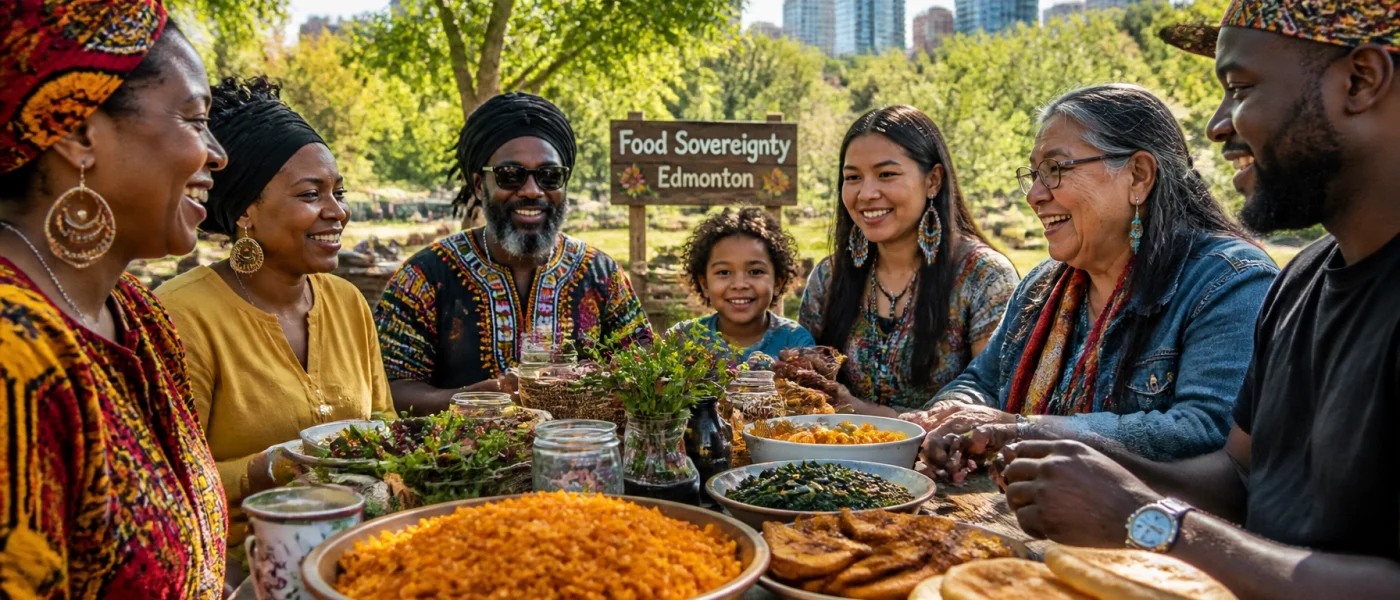
Imagine having the power to choose food that connects you to your ancestors. Food sovereignty is the right of peoples to healthy and culturally appropriate food produced through ecologically sound and sustainable methods. It’s about self-determination. For Indigenous communities in Edmonton, this might mean access to wild rice and bannock ingredients. For the Afro-Caribbean community, it means having Jollof Rice, plantains, and Callaloo readily available.
Here’s why this matters to you:
- Self-Determination: You should have a say in what you eat and where it comes from.
- Cultural Survival: Traditional recipes are a way of passing down history and values.
- Health Equity: Many chronic illnesses in BIPOC communities are linked to the displacement of traditional diets by ultra-processed colonial foods.
The Harsh Reality of Food Insecurity in Edmonton
Why are we focusing so heavily on this? Because the numbers tell a story that we can no longer ignore. In Canada, the systemic barriers to food access are not distributed equally.
Indigenous and Black households in Canada experience food insecurity at 2 to 3 times the rate of white households.
In a city as vibrant as Edmonton, no one should be left behind. Yet, many newcomers and BIPOC individuals face a "double burden." Not only is food expensive, but the foods that provide comfort and health: like fresh yams or traditional spices: are often priced as luxury items or are completely unavailable in mainstream food banks.

More Than a Meal: Food as a Human Right
Have you ever considered that your plate is a canvas of your rights? The UN recognizes the right to food as a human right, but we often forget that this includes the right to adequate food. Adequacy isn't just about vitamins; it’s about cultural acceptability.
When a family receives a food hamper filled with items they don’t know how to use, it can feel like a loss of agency. It shouldn’t feel like a struggle to maintain your identity while trying to survive. By providing culturally appropriate foods, we are telling our community members that their heritage is respected and their dignity is non-negotiable.
The Magic of Staples: Why Specificity Matters
What makes a meal "culturally appropriate"? It’s the specific ingredients that form the backbone of a community’s kitchen. In Edmonton, finding these items can be a challenge, and the costs add up quickly.
Take a look at these staples and what they represent:
- Yam Flour (Pounded Yam): A thick, satisfying staple that is the heart of many West African meals.
- Palm Oil: This rich, red oil isn't just for cooking; it’s a source of essential nutrients and a signature flavor in Afro-Caribbean cuisine.
- Callaloo: These leafy greens are a staple in Caribbean households, often used in stews that remind families of home.
- Wild Rice and Bannock: For Indigenous communities, these are more than just side dishes; they are a connection to the land and traditional harvesting practices.
Imagine the joy of a mother being able to cook a traditional Sunday dinner for her children because she finally found the right spices and flour. That’s the impact of your support.

How the Afro-Caribbean Food Bank is Changing the Narrative
Since 2017, we have been working to bridge the gap. We don’t just hand out boxes; we curate hampers that make sense for the people receiving them. Whether it’s through our online food hamper order system or our community outreach, our goal is to ensure you feel seen and supported.
The key insight is this: when people have access to the foods they know and love, they are healthier, happier, and more connected to their community. We operate as a learning hub, offering programs on food safety and healthy eating that respect traditional knowledge.
Want to be part of the solution? You can help us stock our shelves with the flavors of home by donating today or signing up to volunteer.
The Power of Community and Shared Experience
Food has a unique way of breaking down walls. Have you ever noticed how the atmosphere changes when people share a meal? Events like our Afro-Caribbean Roots & Flavors Fest aren't just about eating; they are about belonging.
When you support food sovereignty, you aren't just helping someone eat; you are helping them thrive. You are supporting a local ecosystem where Afro-Caribbean and Indigenous knowledge is celebrated rather than sidelined.

Step-by-Step: How You Can Support Food Sovereignty in Edmonton
Ready to make a tangible difference? Here is how you can take action right now:
- Educate Yourself: Learn about the history of the land and the people who live here. Understand the difference between food charity and food sovereignty.
- Donate Culturally Specific Items: Next time you do a food drive, think beyond canned corn. Look for yam flour, parboiled rice, or traditional spices.
- Support BIPOC-Led Organizations: Organizations like ours are led by the community, for the community. Explore our mission to see the work we’re doing on the ground.
- Spread the Word: Share this post! Use your voice to advocate for the right to culturally appropriate food in our city.
A Future Where Everyone is Fed with Dignity
Imagine an Edmonton where every child, regardless of their background, can grow up eating the foods of their ancestors. A city where food banks are no longer just emergency stops, but vibrant community hubs that foster heritage and health.
This isn't just a dream; it’s a goal we are working toward every single day. The journey to food sovereignty is long, but with your help, we are taking significant strides.

Here's how you can stay involved:
- Follow our journey: Keep an eye on our events page for upcoming festivals and workshops.
- Join the movement: Whether you need support or want to give it, there is a place for you here.
Food is a human right. Dignity is a human right. Let’s make sure everyone in Edmonton has both.