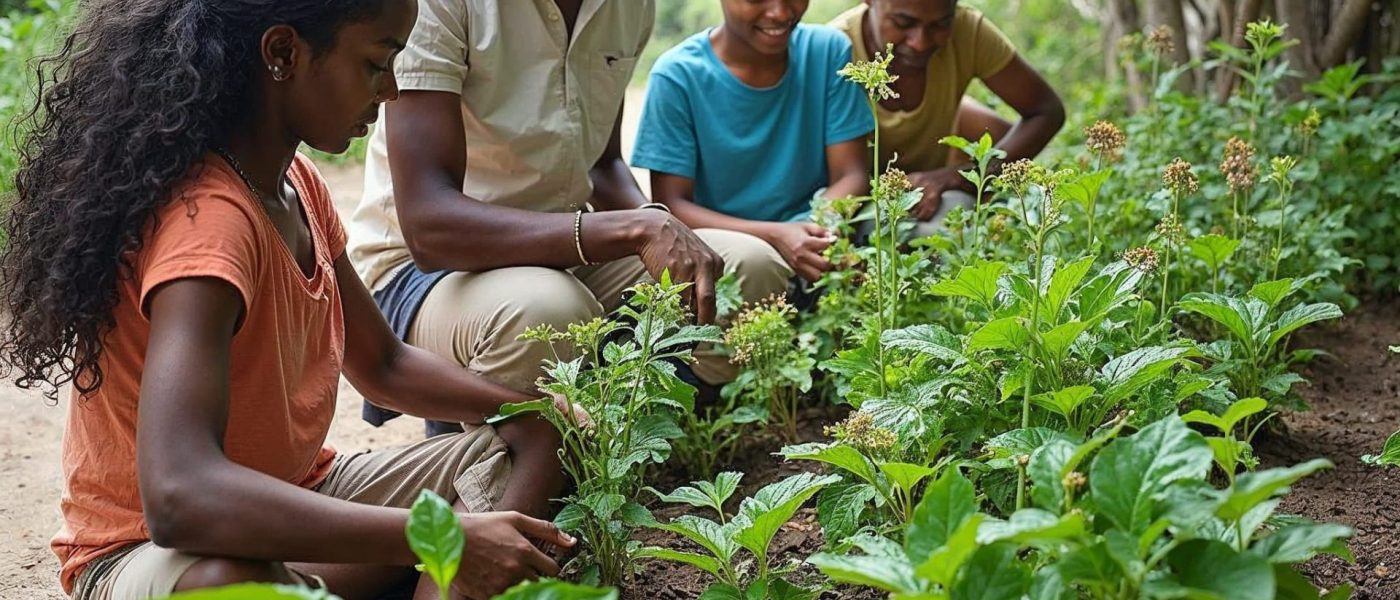
Cultivating Roots: How Community Gardens Foster Food Sovereignty and Cultural Heritage
Community gardens are more than just patches of green—they are lifelines for food sovereignty and cultural heritage. When you grow Afro-Caribbean food in your own neighborhood, you reclaim access to familiar flavors and traditions that nourish both body and soul. Join us as we explore how these gardens empower communities to cultivate culturally significant foods while building strength and pride through sustainable agriculture. [https://rachelcarsoncouncil.org/community-gardens-roots-resistance/]
Food Sovereignty in Community Gardens
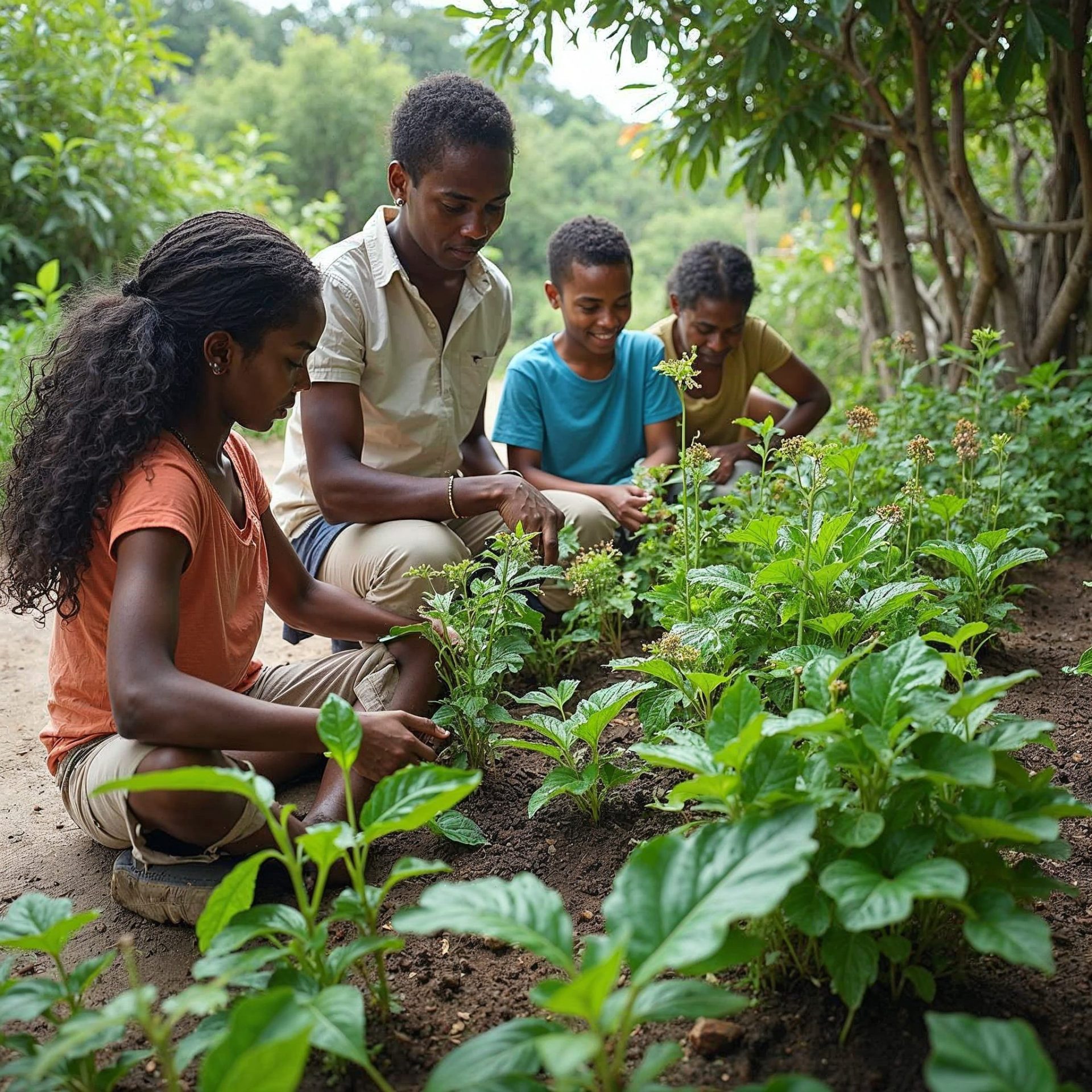
Community gardens play a crucial role in empowering individuals and families to access fresh, culturally relevant foods directly in their neighborhoods.
Reclaiming Access to Fresh Foods
Imagine stepping into a garden rich with the scents of home—this is the reality for many community members. By engaging with these spaces, you gain the ability to grow food that connects with your cultural roots. This not only provides fresh produce but also enhances your well-being. In fact, studies show that community gardening can significantly improve access to fresh vegetables by 44%.
Gardening in your community allows you to take control of what you eat. You grow what you need, ensuring that the food on your plate reflects your heritage and preferences. Think of the satisfaction of harvesting peppers and yams that remind you of family meals. This is more than just food; it’s a piece of your identity.
While big stores may offer variety, nothing beats the freshness and personal touch of homegrown. Most gardens provide a safe space to cultivate your crops, making it easier for you to embrace traditional foods. It’s a powerful step in reclaiming food sovereignty for yourself and your community.
Empowering Local Food Security
Community gardens do more than provide fresh produce; they strengthen local food security. By growing your own food, you reduce dependency on external sources and commercial supply chains. This shift empowers you and your neighbors to feed your families with nutrient-rich foods.
Consider how a community garden can relieve the stress of food shortages. It allows for the sharing of resources and knowledge, fostering a network of support. You become part of a movement that ensures everyone has access to healthy, sustainable food options.
Local gardens also nurture the spirit of collaboration. Working side by side with others, you learn, teach, and grow together. This shared effort not only boosts food security but also builds stronger, more resilient communities. Explore more about food security in this article.
Preserving Cultural Heritage Through Gardening
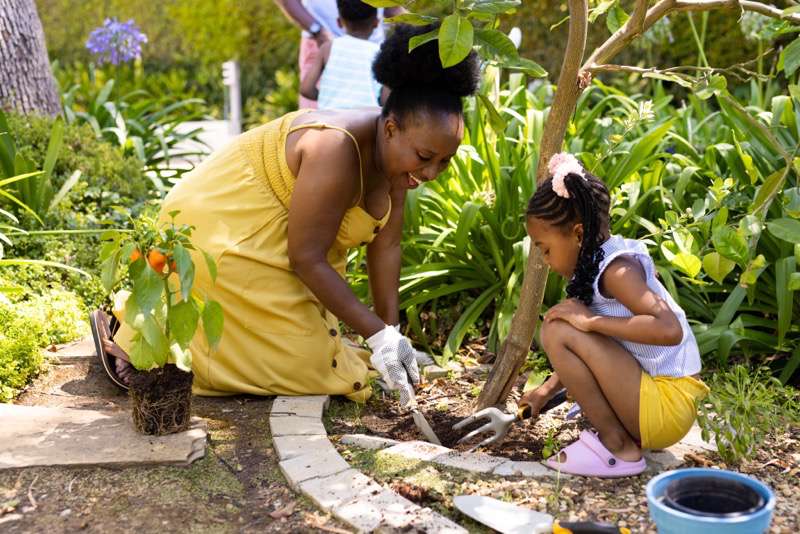
Gardening is more than an act of cultivation—it’s a journey of preserving and celebrating the vibrant tapestry of Afro-Caribbean food traditions.
Growing Afro-Caribbean Food Traditions
Gardens offer a canvas for you to express cultural identity through food. By planting traditional crops like okra and callaloo, you’re keeping Afro-Caribbean traditions alive. This practice helps maintain a connection to your ancestry and introduces younger generations to the flavors of their heritage.
Gardening is an opportunity to pass down stories and recipes. As you plant and harvest, you are also teaching the next generation the value of these foods. This ensures the continuity of cherished family traditions and culinary practices.
The pride in growing ancestral foods cannot be overstated. It’s a testament to resilience and cultural pride. Every seed sown becomes a living memory of your roots, linking past, present, and future. Delve deeper into cultural food practices through this research.
Celebrating Cultural Roots in Local Gardens
Community gardens serve as vibrant hubs where cultural roots are celebrated and shared. They provide a space for festivals, cooking demonstrations, and storytelling. These activities foster a sense of belonging and community pride.
By participating in garden events, you experience the joy of cultural exchange. You learn new recipes, share stories, and build connections with others who share your passion for heritage. This communal celebration reinforces cultural identity and strengthens community bonds.
Gardens also act as a stage for showcasing the diversity and richness of Afro-Caribbean culture. Through gardening, you contribute to preserving and promoting these traditions, ensuring they thrive for generations to come. For more insights on cultural preservation efforts, visit this link.
Community Empowerment and Sustainable Agriculture
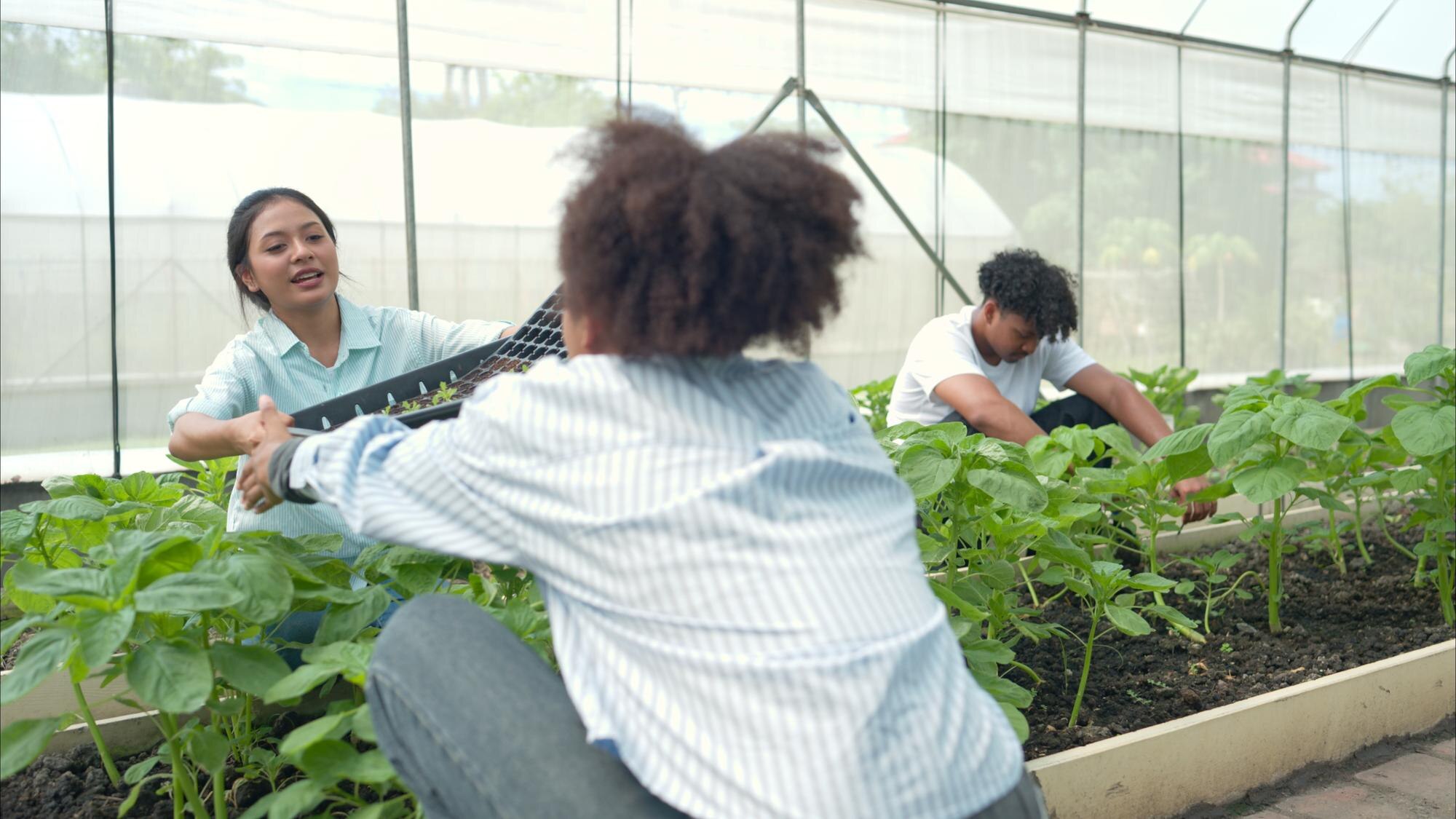
Community gardens not only celebrate culture but also empower communities through sustainable practices and collective action.
Building Stronger Communities Together
The act of gardening unites people, fostering cooperation and friendship. When you work with others in a garden, you’re part of something bigger. This collaboration builds trust, respect, and a sense of shared accomplishment.
Gardening projects often become centers for community support. Here, neighbors help each other, share resources, and tackle challenges together. These interactions create a network of mutual aid, enhancing community resilience.
Moreover, gardens can serve as a platform for community initiatives, such as health workshops and educational programs. These activities empower you to take charge of your health and well-being. The collective effort transforms not just the landscape but the community itself.
Sustainable Practices for Future Generations 🌱
Community gardens are at the forefront of promoting sustainable agriculture. They demonstrate how to grow food in harmony with nature, using practices that conserve resources and protect the environment.
By adopting sustainable methods, you help ensure that the land remains fertile for future generations. Practices like composting and rainwater harvesting are simple yet effective ways to reduce waste and conserve water.
Gardening also provides a hands-on opportunity to educate others about sustainability. When you share your knowledge and experiences, you inspire others to adopt eco-friendly practices. This ripple effect can lead to a more sustainable future for all. Learn more about sustainable agriculture through this informative source.
In conclusion, community gardens are powerful tools for achieving food sovereignty, preserving cultural heritage, and empowering communities. By participating, you nurture not only the soil but also the spirit of your community, contributing to a more inclusive and sustainable future for everyone.