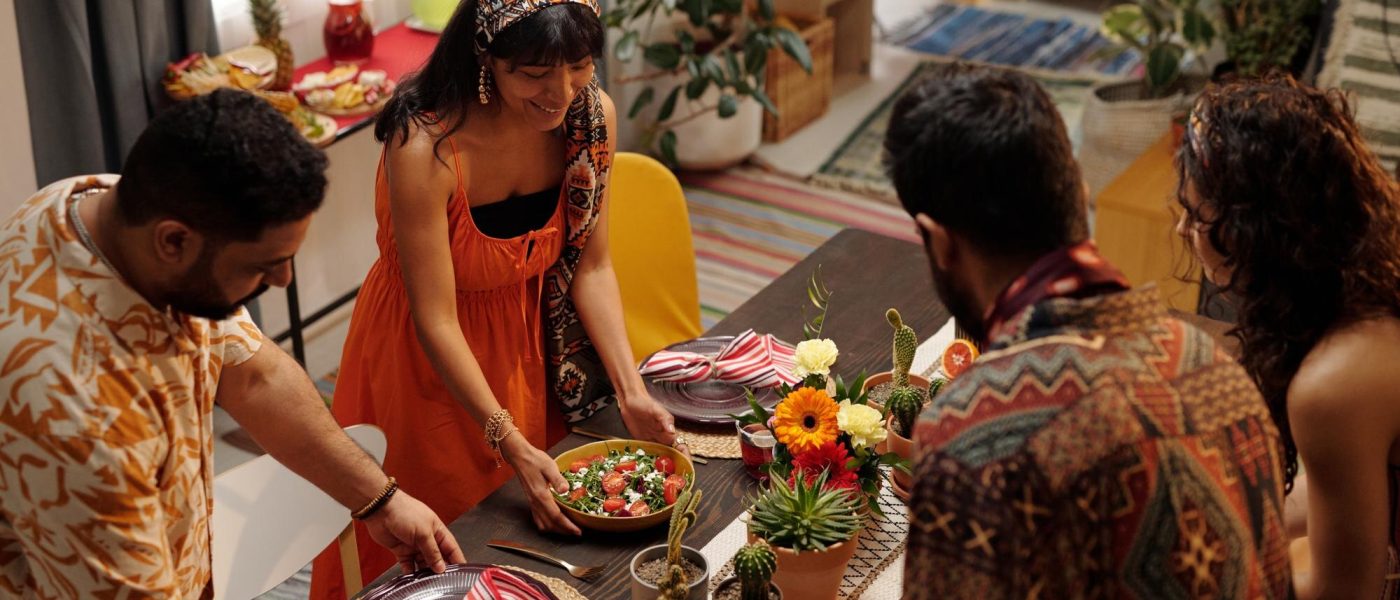
Empowering Healthier Choices: The Role of Nutrition Education in Cultural Contexts
Nutrition education often misses the mark when it ignores cultural roots. For Afro-Caribbean and Indigenous communities, healthy choices mean more than just nutrients they reflect identity and pride. This is why understanding nutrition within cultural contexts matters so much. Here, you’ll see how learning about Afro-Caribbean foods and traditions can empower your family to eat well without losing the flavors that tell your story. [https://www.cdc.gov/school-nutrition/education/index.html]
Embracing Cultural Heritage in Nutrition
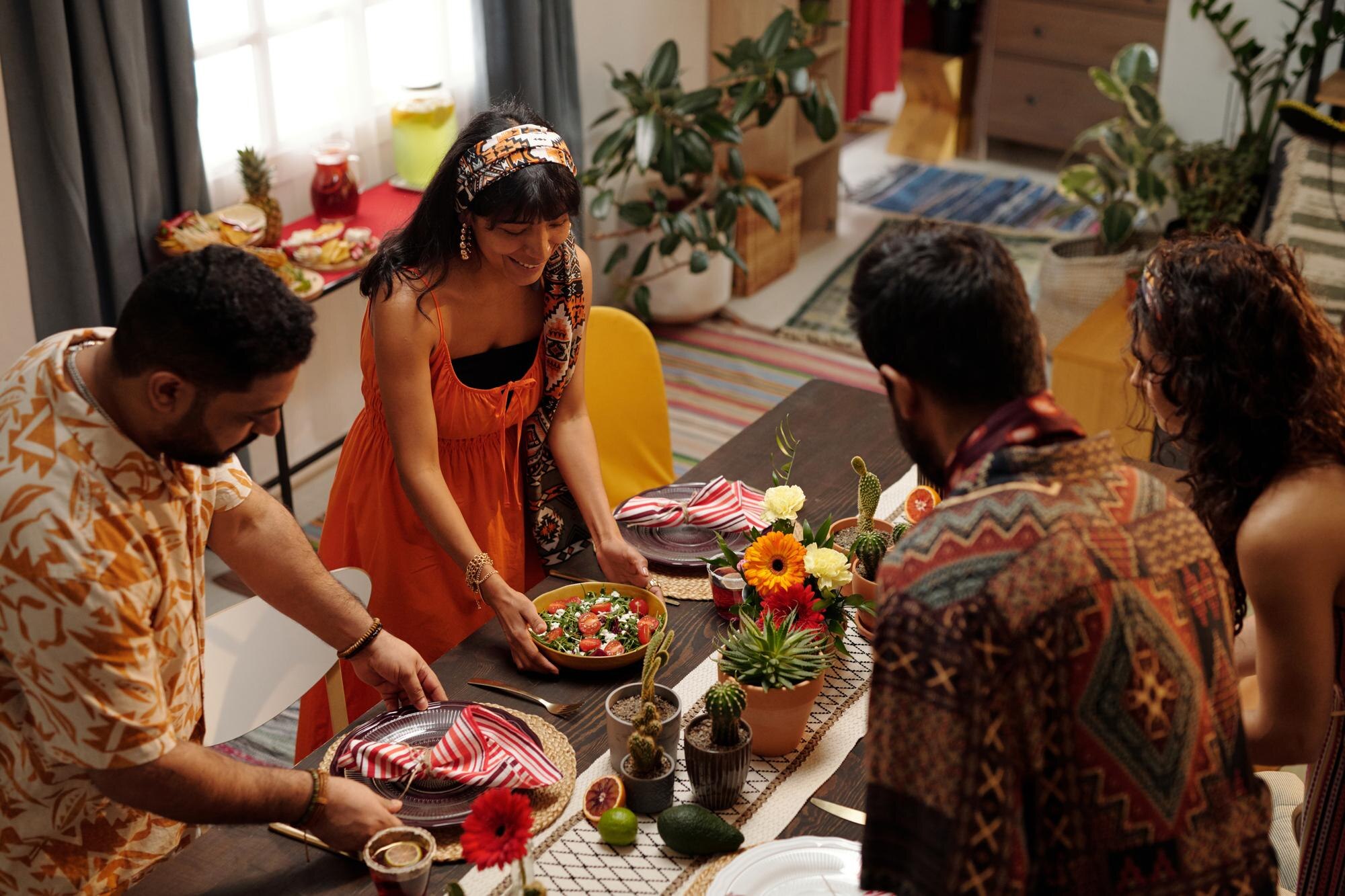
Understanding nutrition goes beyond counting calories or macronutrients. It involves appreciating the rich tapestry of cultural traditions that shape our eating habits. This is particularly true for Afro-Caribbean and Indigenous communities, where food is a powerful symbol of identity and resilience.
Afro-Caribbean Foods and Traditions
Imagine cooking a stew rich with flavors from your childhood. These dishes, rooted in Afro-Caribbean traditions, are more than just meals; they are a connection to the past and a way to pass on cultural wisdom. For instance, using Yam Flour or Palm Oil reflects centuries of heritage. These ingredients are not just tasty but also nutritious, offering fiber and healthy fats to support well-being.
Recognizing these foods as part of a balanced diet can help bridge the gap between traditional meals and modern nutrition guidelines. Many people think healthy eating means abandoning familiar flavors, but that’s not the case. Instead, you can enjoy your cultural favorites while making minor adjustments for health. This approach empowers you to cherish your roots while taking care of your body.
Indigenous Communities’ Unique Culinary Practices
Indigenous foods often tell stories of the land and community. Ingredients like wild rice and bison are not just staples; they are symbols of resilience and sustainability. For Indigenous families, these foods are vital for maintaining a connection to their heritage and promoting health.
By incorporating traditional foods into everyday meals, Indigenous communities preserve their cultural identity. The longer we embrace these practices, the stronger our communities become. Most people don’t realize the value of these foods in promoting health, but they are key to a balanced diet. [https://www.ama-assn.org/public-health/prevention-wellness/improve-patients-dietary-habits-keep-cultural-traditions-mind]
Empowering Healthier Choices Through Education
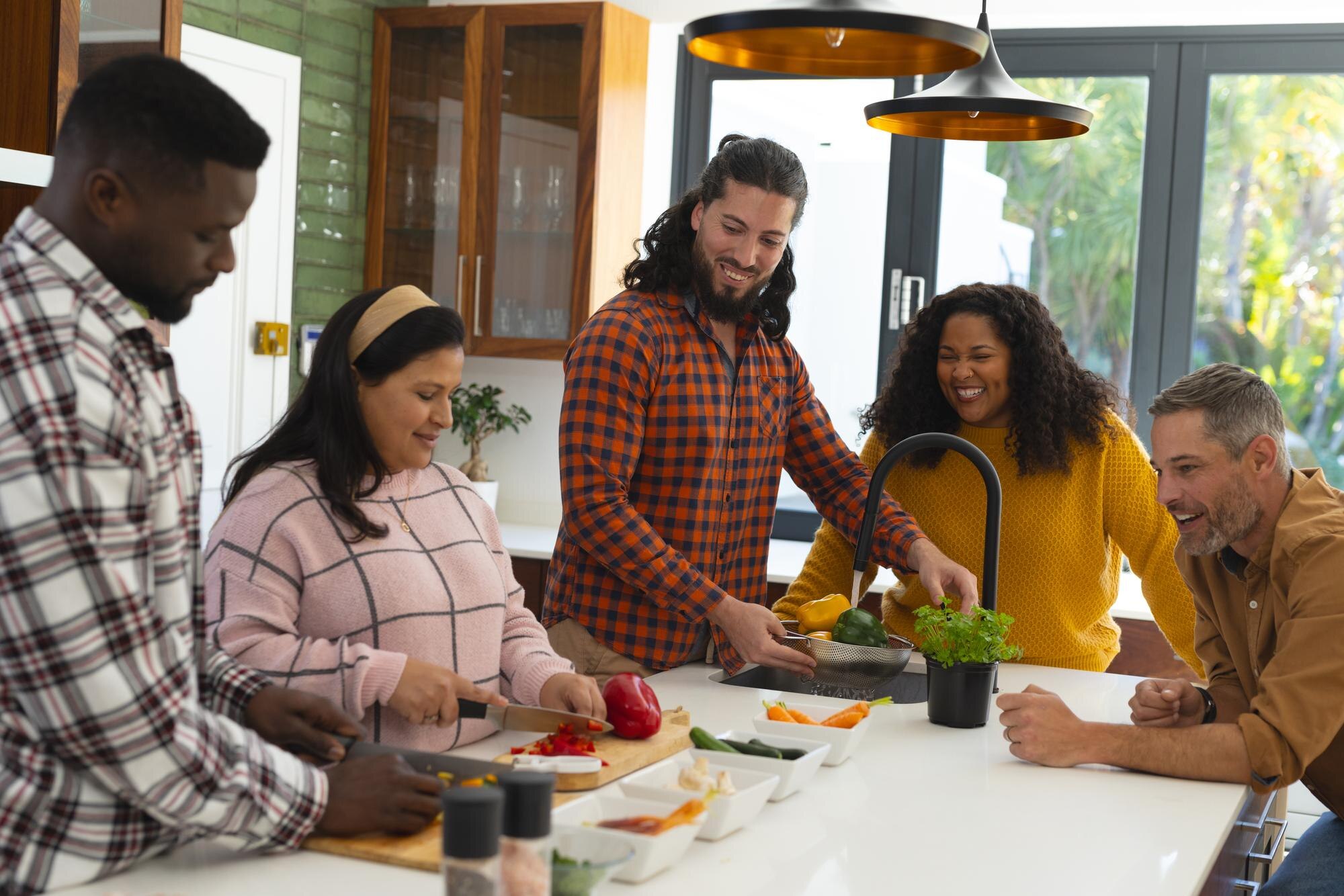
Education is the bridge that connects cultural traditions with healthier choices. Through workshops and community engagement, we can equip everyone with the knowledge they need to thrive.
Workshops and Community Engagement
Imagine attending a workshop where you learn how to prepare traditional dishes with a healthy twist. These sessions provide practical tips on meal preparation and nutrition. You’re not just teaching recipes; you’re gaining valuable skills to make informed choices for your family.
Community events also offer a space for sharing knowledge and experiences. When community members come together, they inspire each other to embrace both cultural heritage and wellness. This collective journey strengthens community bonds, fostering a sense of belonging and pride. [https://pmc.ncbi.nlm.nih.gov/articles/PMC7727853/]
Building Food Security and Resilience
Access to food is a basic need, yet many communities face challenges in securing culturally appropriate options. By focusing on food security, we can ensure everyone has access to the foods that matter most to them.
Programs that prioritize local produce and traditional ingredients help build resilience. They ensure that families have access to nutritious foods that honor their cultural heritage. This approach not only addresses immediate needs but also empowers future generations to make healthier choices.
Supporting Culturally Relevant Initiatives
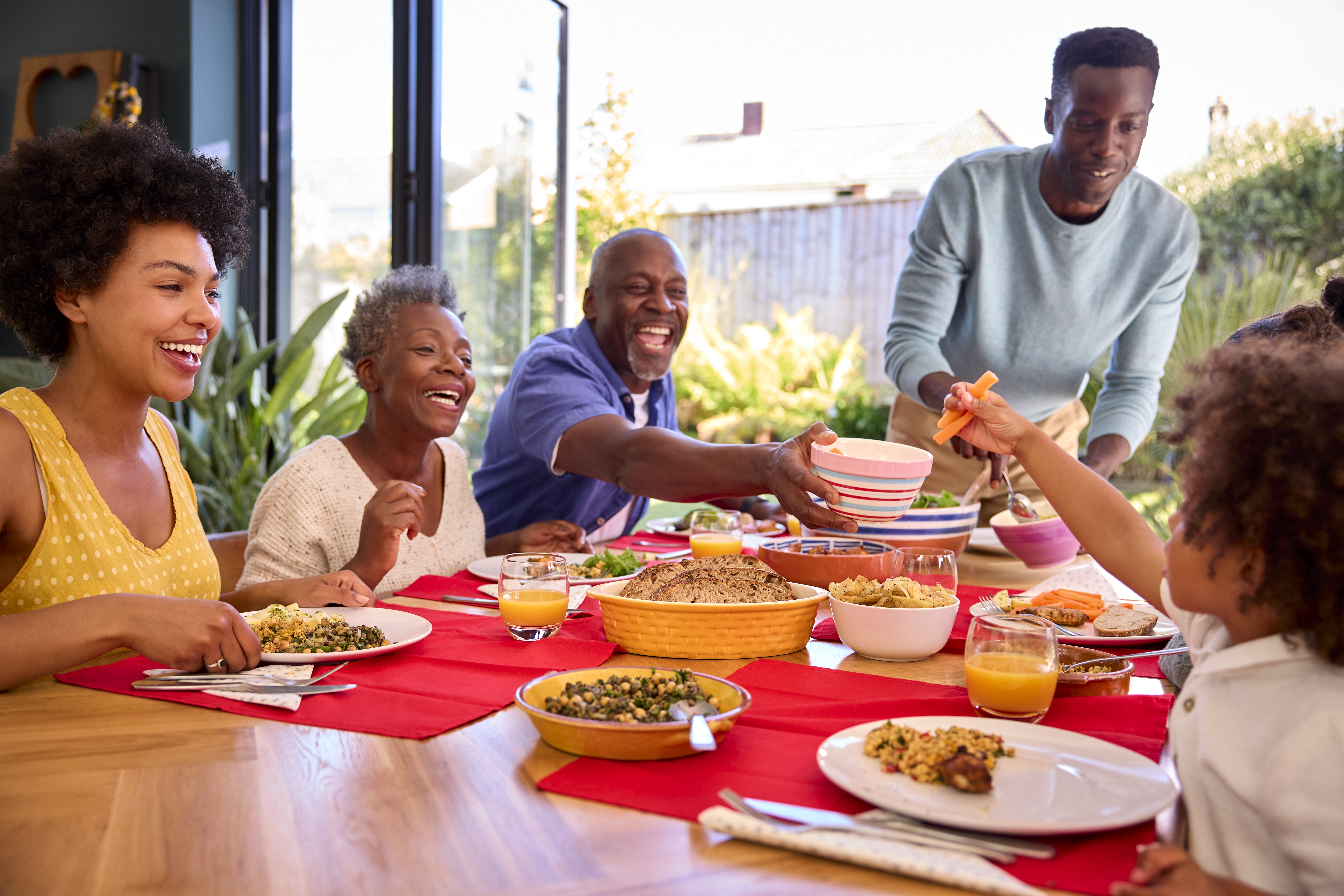
Supporting initiatives that value cultural heritage is crucial for community empowerment. By getting involved, you can make a significant impact on the lives of those around you.
Volunteer Opportunities and Community Impact
Volunteering is a powerful way to give back to your community. Whether you’re helping at a food bank or participating in cultural events, your efforts make a difference. By volunteering, you support programs that provide culturally relevant foods and resources to those in need.
Your involvement helps create a network of support, fostering community resilience and pride. This shared commitment to cultural identity ensures everyone feels seen and valued. [https://pmc.ncbi.nlm.nih.gov/articles/PMC10949373/]
How Donations Make a Difference
Donations play a crucial role in sustaining programs that provide essential resources. Every contribution, no matter the size, supports the delivery of culturally significant foods to underserved communities. These donations help ensure that programs can continue to empower families through education and access to healthy foods.
When you donate, you’re not just giving money; you’re investing in your community’s future. You’re helping preserve cultural heritage while promoting health and well-being. Together, we can create a stronger, more inclusive community for everyone. [https://www.sciencedirect.com/science/article/pii/S0033062025000209]
By embracing cultural heritage in nutrition, we can empower ourselves and our communities to make healthier choices without losing the flavors and traditions that define us. Let’s work together to create a future where everyone has access to the foods that matter most to them.