Empowering Newcomers: The Role of Culturally Appropriate Food Support
Many newcomers face empty shelves filled with foods that don’t feel like home. Without access to culturally appropriate food, the struggle to settle in a new place grows heavier. The Afro-Caribbean Food Bank offers newcomer support by providing foods that honor your cultural identity and ease your path toward community integration. For more insights on how culturally appropriate foods play a role in newcomer support, visit this resource.
Understanding Culturally Appropriate Food
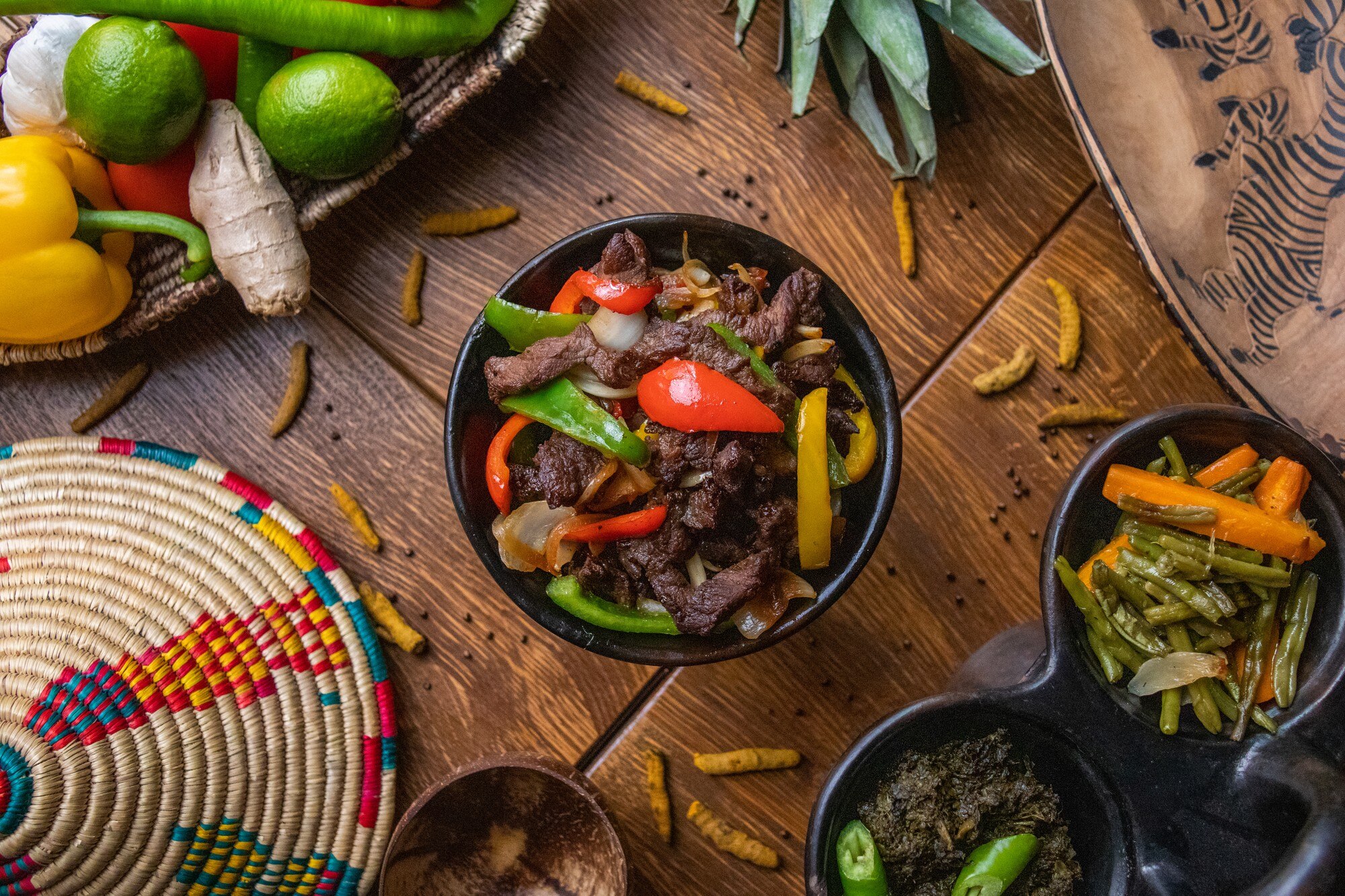
Food is more than just sustenance; it’s a bridge to cultural identity. For newcomers, having access to familiar foods can be a comforting embrace in a foreign land.
Importance of Cultural Identity
Cultural identity is crucial in how we see ourselves and connect with others. For newcomers, tasting the flavors of home can evoke cherished memories and offer comfort. When a community provides these familiar foods, it respects and honors cultural heritage. Most people might not realize how powerful this connection can be. Consider a newcomer from Jamaica who finds a packet of groundnut paste in their food hamper. It’s not just a meal, it’s a piece of home that bridges the gap between past and present.
Food Security and Accessibility
Access to food that you know and love is vital for overall well-being. Yet, many newcomers face barriers in finding these foods. Ensuring everyone has access to what they need is key to food security. Many think food security is just about having enough to eat, but it also includes being able to choose foods that are meaningful to you. According to the USDA, culturally appropriate food programs can enhance community well-being. You can find out more about programs focused on cultural food preferences.
Newcomer Support Through Food

Access to culturally appropriate food can be a lifeline for newcomers. It supports integration by making them feel welcomed and valued.
Afro-Caribbean Food Bank’s Role
The Afro-Caribbean Food Bank (ACFB) plays a pivotal role in this journey. Since 2017, it has been a trusted partner for communities in Edmonton. By offering staples like yam flour and palm oil, ACFB ensures that newcomers feel a sense of belonging. The bank doesn’t just provide food; it offers a connection to heritage. Most people might assume any food will do, but culturally significant items help maintain dignity and identity. Learn more about how local communities are gathering culturally appropriate foods for newcomers here.
Supporting Integration and Belonging
Providing the right food helps newcomers integrate into their communities more smoothly. It fosters a sense of belonging and eases the transition into a new environment. When communities acknowledge and respect cultural preferences, they build stronger social bonds. This goes beyond just eating; it’s about feeling seen and understood. For insights on newcomer empowerment and community integration, check out this vision for empowerment.
Community Involvement and Action

Community action is essential in supporting newcomers. When we work together, we create a network of care and support that uplifts everyone.
Ways to Contribute and Volunteer
There are several ways you can contribute to this cause, such as volunteering at food banks, donating culturally appropriate items, or even spreading the word. Volunteering doesn’t just help those in need; it enriches your life by connecting you with diverse cultures. Most people think volunteering is a one-way street, but it’s a mutually rewarding experience. If you’re keen to learn more about healthy eating and how to assist newcomers, this healthy eating guide for newcomers can be a great starting point.
Building a Supportive Network
Creating a supportive network involves more than just offering food. It’s about building relationships and fostering understanding. By engaging in community events and meals, you help create a welcoming atmosphere. This network becomes a source of strength and hope for newcomers. The longer you wait to get involved, the longer these individuals might feel isolated. You can take the first step toward making a difference and learn more about community support initiatives here.
Together, we can ensure that every newcomer feels at home, with access to the foods that connect them to their heritage and nourish their future.